
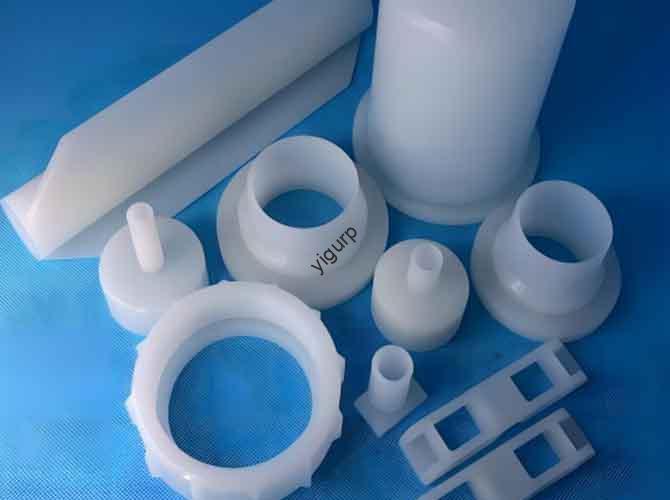
Se sei un imprenditore, progettista del prodotto, or manufacturer in Australia looking to bring a plastic product to life, probabilmente hai chiesto: What do I need to know about injection molding in Australia, and how do I choose the right partner? The answer starts with understanding Australia’s local injection molding landscape—its capabilities, giocatori chiave, requisiti normativi, and how it compares to offshore options. Unlike generic guides, this article dives intoAustralian-specific challenges (like supply chain resilience post-2020) Eopportunities (such as advanced manufacturing grants) to help you make informed decisions that align with local standards and your business goals.
Key Overview of the Injection Molding Industry in Australia
Australia’s injection molding sector is a critical part of the nation’s manufacturing ecosystem, supporting industries from automotive and medical devices to packaging and consumer goods. According to theAustralian Manufacturing Technology Institute (AMTI), the plastics and rubber manufacturing industry (which includes injection molding) contributes over$16 billion annually to Australia’s GDP and employs more than 60,000 people. This isn’t a niche market—it’s a mature sector with a mix of small family-run shops and large multinational firms, each specializing in different areas.
One defining trend in recent years is the shift towardlocalization. Post-pandemic, businesses across Australia have prioritized reducing reliance on offshore suppliers (particularly from Asia) to avoid delays, quality inconsistencies, and shipping disruptions. Per esempio, a Melbourne-based medical device startup we worked with in 2023 switched from a Chinese injection molder to a local partner after facing 3-month delays in receiving critical components. The local supplier delivered the same parts in 4 settimane, with better compliance to Australia’s strict medical standards.
Another key feature is the industry’s focus onsostenibilità. Australian injection molders are increasingly adopting recycled plastics (like rPET and rHDPE) and energy-efficient machines to meet both government regulations (such as the National Packaging Targets 2025) and consumer demand for eco-friendly products. UN 2024 sondaggio delPlastics and Chemicals Industries Association (PCI Australia) trovato quello 78% of local injection molders now offer recycled material options, su da 45% In 2019.
How Injection Molding Works: A Simplified, Australian-Focused Explanation
Before diving into local specifics, let’s break down the injection molding process in plain terms—since understanding the basics helps you communicate better with suppliers and avoid costly mistakes. Injection molding is a manufacturing method where molten plastic is forced into a custom-designed mold (usually made of steel or aluminum) per creare coerenza, parti ad alto volume. Here’s a step-by-step breakdown tailored to how Australian molders operate:
- Selezione dei materiali: Australian molders typically source materials from local distributors (Piace Plasco Australia O Vinyltech) per ridurre i tempi di consegna. Common options include polyethylene (PE), polipropilene (PP), and engineering plastics like ABS (used in automotive parts) o PEEK (per dispositivi medici). Per esempio, a Sydney-based toy manufacturer might use food-grade PP (compliant with Australia’s Food Standards Code) for children’s products.
- Progettazione di stampi & Fabbricazione: Molds are often made locally by Australian toolmakers, which is a advantage for quick iterations. A Brisbane-based molder we spoke to noted that designing a mold in Australia allows for in-person meetings to refine details—critical for complex parts like aerospace components.
- Processo di stampaggio ad iniezione: The machine heats plastic pellets to 180–300°C (a seconda del materiale), injects the molten plastic into the mold under high pressure (10–200 MPa), and cools it until it hardens. Australian molders often use computer numerical control (CNC) machines for precision, ensuring parts meet AS/NZS standards (per esempio., AS 1163 for plastic pipe fittings).
- Finitura & Controllo qualità: Le parti possono subire rifilature, pittura, o assemblaggio. Local molders are required to follow strict quality checks—for instance, medical parts must pass ISO 13485 audits, while automotive parts need to meet ISO/TS 16949 standard.
The biggest benefit of this process for Australian businesses? Coerenza. A single mold can produce tens of thousands (or even millions) of identical parts, making it ideal for high-volume products like plastic packaging or electrical components.
Choosing the Right Injection Molding Partner in Australia: Fattori chiave
Selecting an injection molder isn’t just about finding the lowest price—it’s about finding a partner who understands your industry, meets local regulations, and can scale with your business. Here are the critical factors to consider, with Australian-specific examples:
1. Specializzazione del settore
Not all molders are the same. A molder that excels at making plastic toys may not have the expertise for medical devices. Per esempio:
- Medical Device Manufacturers: Look for molders certified to ISO 13485 (Piace Austeng in Melbourne or Protechnic in Perth), which ensures compliance with Australia’s Therapeutic Goods Administration (TGA) requisiti.
- Automotive Suppliers: Choose partners with ISO/TS 16949 certificazione, as they’ll understand the demands of brands like Ford Australia or Toyota Australia (per esempio., Detmold Group has a dedicated automotive division).
- Confezione: Prioritize molders with experience in sustainable materials (per esempio., Pact Group specializes in recycled plastic packaging for FMCG brands like Woolworths).
2. Capacità & Tecnologia
Ask about the molder’s machine sizes, maximum part weight, and design capabilities. A small molder might only handle parts up to 1kg, while larger firms (PiaceBerry Global in Adelaide) can produce parts weighing 10kg or more. Anche, check if they offerprogettazione per la producibilità (DFM) services—this is where Australian molders shine, as they can review your product design early to fix issues (like thin walls that might crack) before mold fabrication, saving you time and money.
3. Compliance with Australian Standards
Every industry in Australia has specific regulations, and non-compliance can lead to product recalls or legal issues. Per esempio:
- Food contact plastics must meet AS 2070.1 (tested for migration of chemicals into food).
- Electrical components need to comply with AS/NZS 60884 (safety standards for plugs and sockets).A reputable molder will have documentation proving their parts meet these standards—don’t hesitate to ask for test reports.
4. Tempi di consegna & Supply Chain Resilience
One of the top reasons Australian businesses choose local molders is faster lead times. In media, local molders can deliver prototypes in 2–4 weeks and mass production in 4–8 weeks, compared to 8–12 weeks for offshore suppliers (plus shipping time). Per esempio, a Canberra-based startup needed 5,000 plastic enclosures for a new smart home device—their local molder delivered the order in 6 settimane, while an offshore quote was 10 settimane (not including 2 weeks of shipping).
5. Trasparenza dei costi
While local injection molding is often more expensive than offshore options (typically 15–30% higher), the total cost of ownership (TCO) can be lower. Offshore molders may hide costs like shipping, customs duties (media 5% for plastic parts into Australia), or rework due to quality issues. A local molder should provide a detailed quote that includes:
- Mold fabrication costs
- Material costs (al kg)
- Production costs (per parte)
- Quality control fees
Use the table below to compare local vs. offshore costs for a hypothetical 10,000-part order:
| Cost Component | Local Molder | Offshore Molder | Key Difference |
|---|---|---|---|
| Mold Fabrication | $15,000 | $10,000 | Local molds are more durable |
| Material Costs | $2,500 (PP @ $2.50/kg) | $2,000 (PP @ $2.00/kg) | Local materials have faster delivery |
| Production Costs | $5,000 ($0.50/parte) | $3,000 ($0.30/parte) | Local labor costs are higher |
| Shipping & Duties | $0 | $1,500 (spedizione) + $500 (duties) | Offshore adds hidden fees |
| Total Cost | $22,500 | $17,000 | Local TCO is higher, but lower risk |
Australian Regulations & Standards for Injection Molding
Compliance is non-negotiable in Australia, and understanding the key regulations will help you avoid costly mistakes. Below are the most important standards and bodies to know:
1. Safety & Standard di qualità
- AS/NZS ISO 9001: The global quality management standard, adopted in Australia. Most reputable molders are certified to this, ensuring consistent processes.
- AS 1163: Applies to plastic pipe fittings (used in construction and plumbing). Per esempio, a Melbourne-based plumbing supplier must use molders that meet this standard to sell to Bunnings.
- ISO 13485: Come accennato in precedenza, this is critical for medical devices. The TGA requires all medical plastics to be made by ISO 13485-certified molders.
2. Normative ambientali
- National Packaging Targets 2025: Mandates that 100% of packaging is reusable, riciclabile, or compostable by 2025. Injection molders must use materials that meet these targets—for example, using recycled plastic (rPET) for beverage bottles.
- Carbon Reduction Targets: The Australian Government’s goal to reach net-zero emissions by 2050 means molders are investing in energy-efficient machines (per esempio., electric injection molding machines, quale uso 30% less energy than hydraulic models). UN 2024 report from Energy Efficiency Council trovato quello 62% of Australian molders have upgraded to energy-efficient equipment.
3. Import & Export Rules
If you’re importing molds or parts from offshore, you need to comply withAustralian Border Force (ABF) regolamenti:
- All plastic parts must be declared and may be inspected for compliance with Australian standards.
- Duties typically range from 5–10% for plastic products, depending on the country of origin (per esempio., parts from China have a 5% duty, while parts from New Zealand are duty-free under CER).
Trends Shaping Injection Molding in Australia (2024–2025)
The Australian injection molding industry is evolving rapidly, driven by technology, sostenibilità, and changing consumer demands. Ecco le tendenze da tenere d'occhio:
1. Advanced Materials
Molders are increasingly usingtecnopolimeri (come PEEK, PPS, e nylon) per applicazioni ad alte prestazioni. Per esempio, the Australian aerospace industry (supported by companies likeBoeing Aerostructures Australia) is using injection-molded PEEK parts in aircraft, as they’re lightweight and heat-resistant. Another trend isbio-based plastics (made from corn starch or sugarcane), which appeal to eco-conscious brands likeWho Gives A Crap (a toilet paper company using bio-based plastic packaging).
2. Automazione & Industria 4.0
Australian molders are adopting automation to improve efficiency and reduce labor costs. Ciò include:
- Robotic arms for part removal (reducing human error and increasing production speed).
- Sensori IoT in machines to monitor temperature, pressione, e tempo di ciclo (allowing for real-time adjustments).
- 3D printing for mold prototypes: Instead of waiting weeks for a steel mold prototype, molders use 3D printing (with materials like resin) to create test molds in 1–2 days. A Perth-based molder we interviewed reported that 3D-printed prototypes cut their mold development time by 50%.
3. Government Support for Local Manufacturing
The Australian Government has launched several initiatives to boost local injection molding, compreso:
- Advanced Manufacturing Growth Centre (AMGC) Grants: These grants (fino a $1 milioni) help businesses invest in new technology. Per esempio, a Brisbane-based molder used an AMGC grant to purchase a new electric injection molding machine, reducing their energy costs by 25%.
- Manufacturing Modernisation Fund (MMF): This fund provides loans and grants to small and medium-sized manufacturers (PMI) to upgrade equipment.
These programs make it easier for Australian businesses to choose local molders, as they can offset some of the upfront costs.
Yigu Technology’s Perspective on Injection Molding in Australia
Alla tecnologia Yigu, we believe Australia’s injection molding sector is poised for strong growth—driven by localization, sostenibilità, e innovazione tecnologica. Per le imprese, the key advantage of working with local molders iscollaboration: being able to meet face-to-face with your molder, iterate quickly on designs, and ensure compliance with Australian standards. While offshore options may seem cheaper initially, the risk of delays, quality issues, and non-compliance often outweighs the cost savings. We also see great potential in the adoption of advanced materials and automation—these technologies will help Australian molders stay competitive on a global scale. For businesses looking to start a project, our advice is to prioritize molders with industry-specific expertise and a track record of compliance—this will save you time, soldi, and headaches in the long run.
Domande frequenti: Common Questions About Injection Molding in Australia
1. How much does injection molding cost in Australia?
Costs vary based on part size, materiale, and mold complexity. For a simple part (per esempio., a plastic lid), mold fabrication can cost $5,000–$15,000, and production costs $0.10–$0.50 per part. Per parti complesse (per esempio., dispositivi medici), mold costs can exceed $50,000, with production costs $1–$5 per part.
2. How long does it take to get injection-molded parts in Australia?
Prototypes typically take 2–4 weeks (dalla progettazione alla consegna), while mass production (10,000+ parti) takes 4–8 weeks. This is significantly faster than offshore suppliers (8–12 weeks for production).
3. What materials are most commonly used in Australian injection molding?
The most common materials are polypropylene (PP, used in packaging and consumer goods), polietilene (PE, used in bottles and containers), e ABS (used in automotive and electronics). Recycled materials (rPP, rPET) are also growing in popularity.
4. Do I need to be in the same state as my injection molder?
No—many Australian molders offer nationwide shipping, and modern communication tools (like video calls and 3D design sharing) make it easy to collaborate remotely. Tuttavia, if you have a complex project, in-person meetings (per esempio., with a molder in Sydney if you’re in Melbourne) can be helpful.
5. How do I ensure my injection-molded parts meet Australian standards?
Choose a molder with relevant certifications (per esempio., ISO 9001, ISO 13485) and ask for test reports proving compliance with specific standards (per esempio., AS 2070.1 for food contact plastics). You can also work with a third-party testing lab (PiaceSGS Australia) to verify quality.