
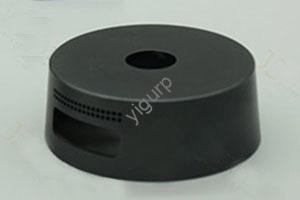
Nel mondo dello stampaggio ad iniezione, la superficie di una parte non è solo una questione di aspetto, ma influisce anche sulla funzionalità, appeal del cliente, and even mold design.SPI (Istituto per l'industria della plastica) EVDI (Associazione tedesca degli ingegneri) Gli standard sono le due guide più affidabili per ottenere superfici corrette dei pezzi stampati a iniezione. Whether you’re a designer aiming for a sleek mirror finish or a manufacturer needing a grippy matte texture, understanding these standards helps you avoid costly mistakes (like choosing the wrong polish for a food – safe part) and deliver products that meet client expectations.
Why Surface Treatment Matters for Injection Molded Parts
You might wonder: Why not just use the mold as – È? La verità è, unprocessed mold surfaces lead to flawed parts—and missed opportunities. Here’s why surface treatment is non – negotiable:
1. Fixes Mold Imperfections
Most injection molds are made from aluminum or steel. Even tiny machine tool marks (from mold manufacturing) or minor scratches on the mold will show up on every injected part.
- Per esempio, a mold with 0.1mm deep tool marks will produce plastic parts with the exact same marks. If those parts are for a high – end electronics case, customers will reject them.
- Soluzione: Sandblasting or polishing the mold removes these marks. A small toy manufacturer once saved 20% of production costs by polishing their mold—they no longer had to discard parts with visible tool lines.
2. Balances Aesthetics and Cost
Polishing a mold to a mirror finish looks great, but it comes with a price: finer polishing means higher mold costs (fino a 30% Di più) and longer lead times (adding 1–2 weeks to mold production).
- Practical Choice: For hidden parts (like the inside of a washing machine), low – level polishing (per esempio., SPI C – 3) is enough—tool marks won’t be seen and won’t affect function.
- For visible parts (like a smartphone back cover), un alto – level polish (per esempio., SPI A – 1) is worth the investment—it makes the product feel premium.
3. Boosts Part Functionality
Surface texture isn’t just about appearance—it solves real problems:
- Better Adhesion: A matte texture (per esempio., VDI 21) helps paint or labels stick. A furniture brand switched from a smooth SPI B – 1 finish to VDI 21 for their plastic chair armrests, and label peeling dropped by 80%.
- Easier Gripping: Textured surfaces (per esempio., SPI D – 2) prevent slipping. A tool manufacturer used SPI D – 2 for their plastic tool handles, and customer complaints about slippery grips fell by 90%.
- Air Release: Well – designed textures help air escape from the mold during injection. This avoids “air traps” (bubbles or gaps in the part). A medical device maker added a VDI 18 texture to their syringe mold, eliminating air traps that had caused 5% of syringes to be defective.
Key Factors That Shape Injection Mold Surface Finish
Unlike machining or 3D printing (where surface treatment happensDopo the part is made), injection molding’s surface finish is determined by the mold itself. Two factors control the final result:
1. Mold Surface Treatment
The mold’s surface—whether polished, sabbiato, or textured—directly transfers to the part. If you want a matte part, you need a matte – textured mold. Per esempio:
- To make a matte plastic cup, the mold’s inner surface is sandblasted (per SPI D – 1). Every cup made from that mold will have the same matte finish.
- A mistake here is costly: A company once polished a mold to SPI A – 1 (finitura a specchio) but needed a matte part. They had to re – sandblast the mold, aggiungendo $1,500 and a week of delay.
2. Compatibilità dei materiali
Not all plastics work with every surface finish. Per esempio:
- Acrilico takes mirror finishes (SPI A – 1) beautifully—its clear, hard surface shows off the polish.
- TPU (a flexible plastic) is better for matte textures (SPI D – 3)—polishing it to a high shine is hard, and the finish wears off quickly.
The tables in the next sections (SPI and VDI) list which materials work with each finish to help you avoid this mistake.
Deep Dive into SPI Surface Finish Standards
ILSPI standard (from the Plastics Industry Institute) is widely used in North America and Asia. It ranks finishes from ultra – liscio (specchio) to matte, with clear guidelines on tools, roughness, and material use.
SPI Surface Finish Table
| SPI Polishing Level | Tools Used | Scopo | Rugosità superficiale (Ra μm) | Compatible Materials |
|---|---|---|---|---|
| UN – 1 | 3#, 6000 grit diamond paste | Finitura a specchio (highest shine) | 0.012 – 0.025 | Acrilico |
| UN – 2 | 6#, 3000 grit diamond paste | Finitura a specchio | 0.025 – 0.05 | Acrilico, computer (Policarbonato) |
| UN – 3 | 12#, 1200 grit diamond paste | High polish (near – specchio) | 0.05 – 0.10 | ABS, Acrilico, PS (Polistirolo), Nylon, computer |
| B – 1 | 600# carta vetrata | Medium polish | 0.05 – 0.10 | ABS, Acrilico, PP (Polipropilene), PS, HDPE, Nylon, computer |
| B – 2 | 400# carta vetrata | Medium polish | 0.10 – 0.15 | ABS, Acrilico, PP, PS, HDPE, Nylon, computer |
| B – 3 | 320# carta vetrata | Medio – low polish | 0.28 – 0.32 | ABS, Acrilico, PP, PS, HDPE, Nylon |
| C – 1 | 600 Whetstone | Low polish (basic smoothness) | 0.35 – 0.40 | ABS, Acrilico, PP, PS, HDPE, Nylon, TPU |
| C – 2 | 400 Whetstone | Low polish | 0.45 – 0.55 | ABS, Acrilico, PP, PS, HDPE, Nylon, TPU |
| C – 3 | 320 Whetstone | Low polish (minimal smoothing) | 0.63 – 0.70 | ABS, Acrilico, PP, PS, HDPE, Nylon, TPU |
| D – 1 | Sabbiatura (coarse glass beads) | Finitura opaca (soft texture) | 0.80 – 1.00 | ABS, PP, PS, HDPE, Nylon, computer, TPU |
| D – 2 | #240 oxide sandblasting | Finitura opaca (slightly rougher) | 1.00 – 2.80 | ABS, PP, PS, HDPE, Nylon, TPU |
| D – 3 | #24 oxide sandblasting | Finitura opaca (roughest SPI) | 3.20 – 18 | ABS, PP, PS, HDPE, Nylon, TPU |
Vero – World SPI Example
A consumer electronics company needed a clear PC phone case with a mirror finish. They choseSPI A – 2 (3000 grit diamond paste) for the mold. Il risultato: The case had a sleek, reflective surface that matched the phone’s metal frame. Customers loved it, and sales of the case were 30% higher than their previous matte version.
Deep Dive into VDI Surface Finish Standards
ILVDI 3400 standard (from the German Engineering Association) is popular in Europe and global industrial markets. It’s especially useful for parts made with EDM (Lavorazione ad elettroerosione), but it also works with traditional polishing and sandblasting.
VDI Surface Finish Table
| VDI Parameter | Tools Used | Scopo | Rugosità superficiale (Ra μm) | Key Use Cases |
|---|---|---|---|---|
| 12 | 600 Whetstone | Low polish (basic smoothness) | 0.40 | Hidden parts (per esempio., inside of a toaster) |
| 15 | 400 Whetstone | Low polish | 0.56 | Non – visible structural parts (per esempio., plastic brackets) |
| 18 | Sabbiatura (coarse glass beads) | Finitura opaca (soft texture) | 0.80 | Parts needing light grip (per esempio., remote control bodies) |
| 21 | #24 Oxide Sandblasting | Finitura opaca (moderate grip) | 1.12 | Manici per utensili, small appliance exteriors |
| 24 | #24 Oxide Sandblasting | Finitura opaca | 1.60 | Parti di mobili (per esempio., chair armrests) |
| 27 | #24 Oxide Sandblasting | Dull finish (strong grip) | 2.24 | Pesante – duty tool grips (per esempio., power drill handles) |
| 30 | #24 Oxide Sandblasting | Dull finish | 3.15 | Industrial container lids (anti – slip) |
| 33 | #24 Oxide Sandblasting | Dull finish | 4.50 | Large machinery parts (per esempio., tractor plastic panels) |
| 36 | #24 Oxide Sandblasting | Dull finish | 6.30 | Attrezzature per esterni (resistant to scratches) |
| 39 | #24 Oxide Sandblasting | Dull finish | 9.00 | Heavy industrial parts (per esempio., construction machine components) |
| 42 | #24 Oxide Sandblasting | Dull finish | 12.50 | Alto – wear parts (per esempio., conveyor belt guides) |
| 45 | #24 Oxide Sandblasting | Dull finish (roughest VDI) | 18.00 | Parts needing maximum grip (per esempio., safety glove clips) |
Vero – World VDI Example
A European automotive supplier needed a plastic grip for a car’s emergency brake. They choseVDI 27 (#24 oxide sandblasting) for the mold. The texture was rough enough to provide a secure grip (even with wet hands) but not so rough that it damaged gloves. The supplier reported zero customer complaints about the grip over 2 anni.
SPI vs. VDI: How to Choose the Right Standard
Choosing between SPI and VDI often comes down to your location, industria, and part needs. Here’s a simple comparison to help you decide:
| Fattore | SPI Standard | VDI Standard |
|---|---|---|
| Regional Use | North America, Asia | Europa, global industrial markets |
| Ideale per | Prodotti di consumo (per esempio., elettronica, giocattoli) | Parti industriali, Elettroerosione – made components |
| Surface Range | Specchio (UN – 1) to rough matte (D – 3) | Low polish (12) to very rough (45) |
| Roughness Match | SPI C – 1 (0.35–0.40 μm) ≈ VDI 12 (0.40 µm) | SPI D – 1 (0.80–1.00 μm) ≈ VDI 18 (0.80 µm) |
Pro Tip
If you work with global clients, ask their preference. Per esempio:
- Un americano. client may specify SPI A – 2 for a cosmetic container.
- A German client may ask for VDI 24 for the same type of container.
Yigu Technology’s Perspective on Injection Mold Surface Treatment
Alla tecnologia Yigu, we see SPI and VDI standards as essential tools for delivering consistent, alto – quality injection molded parts. They eliminate guesswork—whether our clients need a mirror – smooth acrylic lens (SPI A – 1) or a grippy TPU handle (VDI 27). We’ve helped clients cut costs by matching finishes to part needs: Per esempio, using SPI C – 3 instead of B – 1 for hidden parts saved one client 15% sui costi degli stampi. As injection molding evolves, we’ll keep leveraging these standards to balance aesthetics, funzionalità, and affordability for our global customers.
Domande frequenti
- Can I use SPI A – 1 (finitura a specchio) for TPU parts?
NO, TPU (a flexible plastic) isn’t ideal for SPI A – 1. It’s hard to polish TPU to a mirror shine, and the finish will wear off quickly with use. For TPU, choose a matte finish like SPI D – 2 or D – 3—they’re easier to achieve and more durable. - How do I know if I should use SPI or VDI for my project?
Start with your client’s location and industry. If your client is in the U.S. or makes consumer products (per esempio., phones, giocattoli), use SPI. If they’re in Europe or make industrial parts (per esempio., componenti di macchinari), use VDI. Se non sei sicuro, ask—most clients will have a preference based on their market. - Does a higher – level polish (per esempio., SPI A – 1) always mean a better part?
NO, it depends on the part’s purpose. A mirror finish (SPI A – 1) is great for visible parts like a laptop cover, but it’s a waste of money for hidden parts like a printer’s internal bracket. For hidden parts, a low – level polish (per esempio., SPI C – 2) is enough—it’s cheaper and faster to produce, and it won’t affect the part’s function.