
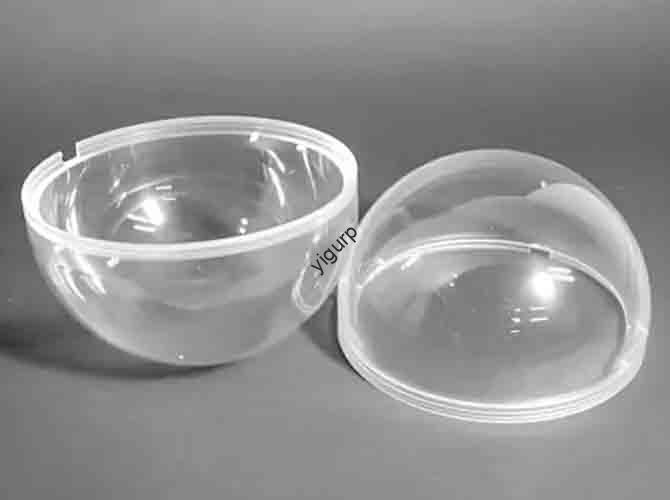
IL temperature resistance of photosensitive resin prints directly determines their usability in real-world scenarios—from simple display prototypes to high-heat industrial components. Non tutte le stampe in resina hanno le stesse prestazioni sotto il calore: alcuni ammorbidiscono a 40°C, mentre altri mantengono la stabilità sopra i 280°C. Questo articolo analizza il typical temperature resistance ranges of photosensitive resin prints, fattori chiave che influenzano, and practical selection strategies to help you match resin to your project’s heat needs.
1. Temperature Resistance Ranges of Photosensitive Resin Prints
Photosensitive resins are divided into two main categories based on heat performance: ordinary resins and high-temperature resistant resins. Below is a detailed comparison of their temperature limits and ideal uses.
| Resin Type | Temperature Resistance Range | Key Performance at High Temperatures | Typical Application Scenarios |
| Ordinary Photosensitive Resin | Softens at 40–50°C; deforms/ decomposes above 60°C | – Loses 50% of mechanical strength at 50°C- Prone to warping or surface stickiness under heat- Cannot withstand long-term exposure to temperatures above 40°C | Low-heat prototypes (per esempio., display models, non-functional toy parts), indoor decorative items, temporary design samples |
| High-Temperature Resistant Photosensitive Resin | Heat Deflection Temperature (HDT) ≥ 100°C; up to 280°C for industrial grades | – Maintains dimensional stability at 100–280°C- Retains 80%+ mechanical strength even after long-term heat exposure- Resists thermal aging (no cracking or brittleness under cyclic heat) | Industrial functional parts (per esempio., automotive engine components, mold inserts), high-heat tooling (per esempio., 3D printing nozzles), parts for high-temperature testing equipment |
2. Key Factors That Affect Temperature Resistance of Photosensitive Resin Prints
Achieving target heat resistance isn’t just about choosing the right resin—it depends on three critical variables. Understanding these factors helps you optimize print performance and avoid heat-related failures.
2.1 Resin Formulation (The Foundation of Heat Resistance)
The chemical composition of the resin directly impacts its heat tolerance:
- Resin Matrix: High-temperature resins use specialized monomers (per esempio., epoxy-based or polyimide-based) that form strong chemical bonds. These bonds resist breaking under heat, unlike the acrylic-based monomers in ordinary resins (which weaken above 50°C).
- Heat Stabilizers: Additives like antioxidants or ceramic fillers are mixed into high-temperature resins to slow thermal aging. Per esempio, a resin with 5% ceramic filler can increase HDT by 30–50°C compared to an unfilled version.
2.2 Post-elaborazione (Unlock Full Heat Resistance)
Even high-temperature resins won’t reach their maximum heat resistance without proper post-processing. Two key steps make a difference:
- UV Post-Curing: Exposing prints to additional UV light (after initial printing) fully cures the resin, strengthening chemical bonds. Per esempio, eSUN high-temperature resin maintains mechanical properties at 280°C only after 30 minutes of UV post-curing—without it, it softens at 180°C.
- High-Temperature Baking: For industrial-grade parts, baking prints at 120–180°C for 1–2 hours further enhances heat resistance. This step reduces residual stress and stabilizes the resin’s molecular structure.
2.3 Usage Environment (Avoid Unexpected Heat Damage)
Even the most heat-resistant prints can fail if exposed to harsh conditions:
- Prolonged High Heat: A resin print rated for 280°C may degrade if left at 280°C for 100+ ore (contro. short-term use of 1–2 hours).
- Combined Stressors: Heat + UV exposure + chemical corrosion accelerates aging. Per esempio, a resin lamp shade (exposed to heat and UV) will degrade faster than a part used in a dark high-temperature oven.
3. Practical Selection Guide: Choose Resin Based on Heat Needs
Selecting the right resin balances performance, costo, and use case. Below is a step-by-step decision framework, plus a cost comparison to avoid overspending.
3.1 Fare un passo 1: Define Your Project’s Maximum Heat Exposure
Ask: What’s the highest temperature the part will face, and for how long?
- Low heat (<40°C): Choose ordinary resin (per esempio., display prototypes, indoor decor).
- Medium heat (40–100°C): Use basic high-temperature resin (per esempio., LED light housings, low-heat tooling).
- High heat (>100°C, up to 280°C): Opt for industrial-grade high-temperature resin (per esempio., engine components, mold inserts).
3.2 Fare un passo 2: Consider Special Requirements
- Transparency: If you need a clear heat-resistant part (per esempio., high-temperature lamp shades), choose transparent high-temperature resin—but note it may have 10–20°C lower HDT than non-transparent versions.
- Costo: High-temperature resin costs 2–3x more than ordinary resin. Only upgrade if heat resistance is critical—don’t pay for unneeded performance.
3.3 Costo & Performance Trade-Off Table
| Resin Type | Costo (Per Liter) | Maximum Temperature Resistance | Ideale per |
| Ordinary Resin | \(20–)50 | 40–50°C | Low-cost, low-heat prototypes |
| Basic High-Temperature Resin | \(80–)120 | 100–180°C | Medium-heat functional parts |
| Industrial-Grade High-Temperature Resin | \(150–)300 | 180–280°C | High-heat industrial components |
4. Yigu Technology’s Perspective on Photosensitive Resin Prints’ Temperature Resistance
Alla tecnologia Yigu, we often see clients overspecify high-temperature resins—for example, using \(200/liter industrial resin for a LED light housing (which only needs 60°C resistance) when a \)100/liter basic high-temperature resin works. Il nostro consiglio: Start with a “heat test first” approach. Print a small sample of the resin, expose it to your project’s maximum temperature, and check for deformation before full production. For clients with mixed needs (per esempio., a part with both high-heat and transparent requirements), we recommend combining post-processing steps—like UV curing + high-temperature baking—to boost a transparent resin’s heat resistance by 15–20°C. This balances performance and cost, ensuring you get heat-resistant prints without unnecessary expenses.
Domande frequenti: Common Questions About Photosensitive Resin Prints’ Temperature Resistance
- Q: Can I increase an ordinary resin print’s temperature resistance with post-processing?
UN: NO. Ordinary resins use acrylic-based monomers that inherently weaken above 50°C. Even with UV post-curing or baking, they won’t withstand temperatures above 60°C—post-processing only improves short-term stability, not long-term heat resistance.
- Q: How do I test a resin print’s temperature resistance at home or in a small workshop?
UN: Use an oven with temperature control. Heat the print gradually (5°C increments) to your target temperature, hold it for 1 hour, then check for warping, softening, or color change. Per esempio, if testing a 100°C part, heat to 100°C, Presa 1 hour, and confirm no deformation.
- Q: Are there photosensitive resins that can withstand temperatures above 280°C?
UN: Currently, very few—most industrial-grade resins top out at 280°C. For temperatures above 280°C (per esempio., aerospace engine parts), resin prints are not suitable. Instead, use metal 3D printing (per esempio., SLM) or CNC-machined high-temperature alloys.