
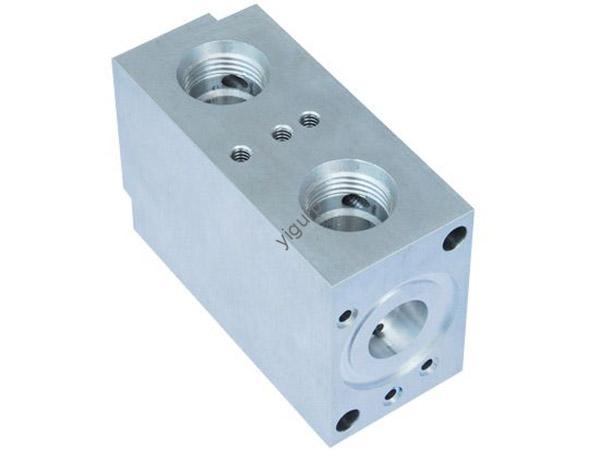
Quando le industrie hanno bisogno di materiali che resistano alla ruggine, gestire il calore elevato, e alzati per indossarlo, high chromium steel is a top solution. Its defining trait—elevated cromo (Cr) contenuto: gli conferisce superpoteri per condizioni difficili, dagli impianti chimici ai motori degli aerei. Questa guida analizza le sue proprietà principali, usi nel mondo reale, come è fatto, e come si confronta con altri materiali, helping you pick the right steel for your project.
1. Core Material Properties of High Chromium Steel
High chromium steel’s performance starts with its composition and carefully tuned traits. Below’s a detailed look at what makes it unique.
1.1 Composizione chimica
The star here is alto contenuto di cromo (Cr)—usually 10% or more—but other elements play key roles too. The table below shows typical ranges and their purposes:
| Elemento | Gamma di contenuti (%) | Role in High Chromium Steel |
| High Chromium (Cr) | 10.0-30.0 | Forms a protective oxide layer for eccellente resistenza alla corrosione; aumenta la resistenza all'usura |
| Carbonio (C) | 0.03-1.50 | Low carbon (≤0,08%) for corrosion focus; alto contenuto di carbonio (≥0.8%) per durezza (per esempio., utensili da taglio) |
| Manganese (Mn) | 0.50-2.00 | Migliora resistenza alla trazione e riduce la fragilità |
| Silicio (E) | 0.10-1.00 | Aiuta la disossidazione durante la produzione dell'acciaio; aumenta la resistenza alle alte temperature |
| Fosforo (P) | ≤0.045 | Controllato per evitare fragilità |
| Zolfo (S) | ≤0.030 | Minimized to prevent cracking during forging/machining |
| Molibdeno (Mo) | 0.50-3.00 | Migliora resistenza alle alte temperature and corrosion resistance in harsh chemicals |
| Vanadio (V) | 0.10-0.50 | Refines grain structure for better resistenza alla fatica (ideal for springs) |
1.2 Proprietà fisiche
These traits make it easy to work with and reliable in real use:
- Densità: 7.70-7.90 g/cm³ (similar to regular steel, so no extra design work)
- Punto di fusione: 1400-1500°C (compatible with standard forging and heat treatment)
- Conducibilità termica: 35-50 Con/(m·K) (slower than low carbon steel—good for even heat distribution in turbines)
- Thermal Expansion Coefficient: 11-14 µm/(m·K) (reduces warping when heating/cooling)
- Resistività elettrica: 0.50-0.80 μΩ·m (higher than carbon steel—avoid for electrical parts)
1.3 Proprietà meccaniche
Its strength and toughness vary by grade, but key values include:
- Resistenza alla trazione: 500-1800 MPa (low carbon = 500-800 MPa for corrosion parts; high carbon = 1200-1800 MPa for tools)
- Forza di snervamento: 300-1500 MPa (resiste alla deformazione permanente)
- Durezza: 15-65 HRC (low carbon = soft, high carbon = hard for cutting tools)
- Resistenza all'impatto: 20-100 J (low carbon = tough for pipes; high carbon = balanced for dies)
- Allungamento: 5-40% (low carbon = flexible for forming; high carbon = stiffer for tools)
- Resistenza alla fatica: 200-600 MPa (10⁷ cicli) (great for springs and turbine blades)
1.4 Altre proprietà chiave
- Excellent Corrosion Resistance: Chromium’s oxide layer stops rust—perfect for chemical reactors and marine parts.
- Good Oxidation Resistance: Resists degradation at high heat (vital for gas turbine blades).
- Resistenza alle alte temperature: Keeps shape up to 800°C (works for power plant steam turbines).
- Resistenza all'usura: High carbon grades (with Cr carbides) excel at cutting tools and drills.
- Formabilità: Low carbon grades bend easily (for exhaust systems); high carbon needs hot forming (for dies).
2. Real-World Applications of High Chromium Steel
Its versatility makes it essential across industries. Below are key uses, plus a case study to show it in action.
2.1 Applicazioni specifiche del settore
- Aerospaziale:
- Componenti del motore dell'aereo (valvole, lame) use its high-temperature strength.
- Pale di turbine a gas rely on oxidation resistance at 800°C.
- Automobilistico:
- Sistemi di scarico (mufflers, tubi) resist corrosion from exhaust gases.
- Molle ad alte prestazioni use its fatigue resistance.
- Macchinari industriali:
- Utensili da taglio, frese, E trapani (high carbon grades) per la resistenza all'usura.
- Elaborazione chimica:
- Reattori chimici E piping systems (low carbon grades) handle acids and solvents.
- Generazione di energia:
- Turbine a vapore and power plant components stand up to high heat and pressure.
- Attrezzature mediche:
- Strumenti chirurgici E strumenti dentistici (a basso contenuto di carbonio, high Cr) resist corrosion and are easy to sterilize.
- Marino:
- Componenti della nave E offshore structures fight saltwater rust.
2.2 Caso di studio: Chemical Processing Piping
UN 2023 chemical plant used low-carbon high chromium steel (18% Cr, 0.05% C) for piping carrying sulfuric acid. Prima, they used carbon steel pipes that rusted and leaked every 6 mesi. Results after 2 anni:
- Resistenza alla corrosione: No rust or leaks—pipe life extended 4x.
- Maintenance savings: Reduced pipe replacement costs by $120,000/year.
- Sicurezza: Fewer leaks lowered chemical exposure risks for workers.
3. Manufacturing Techniques for High Chromium Steel
Making high chromium steel requires precision to keep its properties intact. Ecco il processo:
3.1 Processi di produzione dell'acciaio
- Forno ad arco elettrico (EAF): Most common. Rottami di acciaio + cromo (Cr) + other alloys are melted with electric arcs—easy to control composition.
- Fornace ad ossigeno basico (BOF): Per grandi lotti. Iron ore is melted, then oxygen and alloys are added—cost-effective for low-carbon grades.
- Rifusione ad arco sotto vuoto (NOSTRO): For high-purity parts (per esempio., pale aerospaziali). Melts steel in a vacuum to remove impurities.
3.2 Trattamento termico
Treatments vary by grade:
- Tempra e rinvenimento: Heated to 800-1000°C, spento, then tempered. Hardens high-carbon grades for tools.
- Ricottura: Heated to 700-900°C, raffreddato lentamente. Ammorbidisce l'acciaio per la lavorazione (used for low-carbon piping).
- Normalizzazione: Heated to 900-1000°C, raffreddato ad aria. Improves uniformity for automotive components.
- Precipitation Hardening: Heated to low temps (400-600°C) to form tiny particles. Boosts strength for aerospace parts.
3.3 Processi di formazione
- Laminazione a caldo: Rolled at 1000-1200°C to make plates/bars (for reactors and turbines).
- Laminazione a freddo: Creates thin, fogli lisci (for surgical instruments) with a tight finish.
- Forgiatura: Hammered/pressed into shapes (for engine blades)—enhances strength.
- Estrusione: Pushed through a die to make pipes (per lavorazioni chimiche).
3.4 Trattamento superficiale
- Chromium Plating: Adds a thin Cr layer (per gli strumenti) per aumentare la resistenza all’usura.
- Titanium Nitride Coating: Coats cutting tools to reduce friction.
- Pallinatura: Blasts steel with beads to improve resistenza alla fatica (for springs).
- Lucidatura: Crea una superficie liscia (per strumenti medici) to prevent bacteria growth.
4. High Chromium Steel vs. Altri materiali
How does it compare to common alternatives? La tabella seguente mostra le differenze principali:
| Materiale | Resistenza alla corrosione | Prestazioni ad alta temperatura | Durezza (HRC) | Costo (contro. Acciaio ad alto contenuto di cromo) | Ideale per |
| Acciaio ad alto contenuto di cromo | Eccellente | Bene (fino a 800°C) | 15-65 | 100% | Chemical pipes, utensili, turbine |
| Acciaio a basso tenore di carbonio | Povero | Povero (≤400°C) | 15-25 | 40% | Parti a bassa sollecitazione (unghia, parentesi) |
| Acciaio a bassa lega | Giusto | Giusto (≤600°C) | 30-45 | 60% | Costruzione, simple machinery |
| Acciaio inossidabile | Eccellente | Giusto (≤600°C) | 25-40 | 120% | Stoviglie, prodotti chimici delicati |
| Acciaio ad alta velocità | Giusto | Eccellente (≤1000°C) | 60-65 | 300% | Utensili da taglio ad alta velocità |
| Acciaio per utensili | Giusto | Bene (≤700°C) | 55-65 | 200% | Precision dies |
Punti chiave
- contro. Acciaio a basso tenore di carbonio: It’s 5x more corrosion-resistant—worth the cost for long-lasting parts.
- contro. Acciaio inossidabile: It handles higher heat (800°C rispetto a. 600°C) but costs less—better for high-heat jobs.
- contro. Acciaio ad alta velocità: It’s cheaper but less heat-resistant—great for moderate-speed tools.
5. Yigu Technology’s Perspective on High Chromium Steel
Alla tecnologia Yigu, we see high chromium steel as a versatile workhorse. Suo resistenza alla corrosione and temperature tolerance fit clients in chemicals, aerospaziale, e marino. We recommend low-carbon grades (18% Cr) for piping and high-carbon grades (12% Cr) per gli strumenti. Pairing them with our custom coatings extends service life by 50%+. For tight budgets, we offer hybrid solutions (high Cr + low alloy) per bilanciare prestazioni e costi.
FAQ About High Chromium Steel
- What grade of high chromium steel is best for chemical reactors?
Low-carbon grades with 18-20% cromo (Cr) E 8-10% nichel (per esempio., 304 stainless steel variant) work best—they resist most acids and have good formability for reactor shapes.
- Can high chromium steel be welded?
SÌ, but low-carbon grades are easier. High-carbon grades need pre-heating (to avoid cracks) and post-heating. Use matching Cr-rich welding rods to keep corrosion resistance.
- How do I maintain high chromium steel parts?
For corrosion resistance: Clean with mild soap (avoid harsh chemicals) and dry thoroughly. For tools: Oil lightly after use to prevent rust—even with Cr, moisture can damage uncoated parts.