
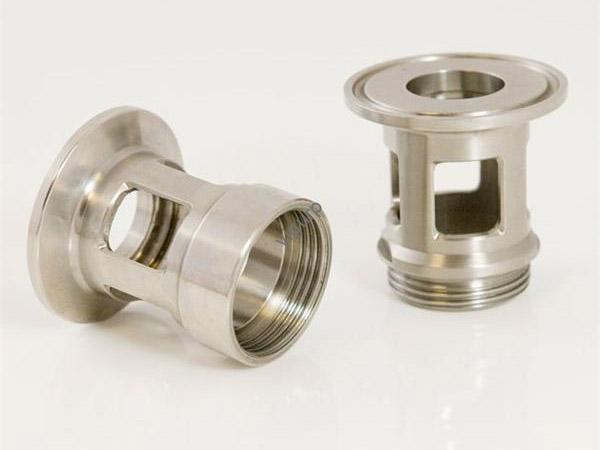
L'acciaio inossidabile ferritico è un materiale ampiamente utilizzato noto per la sua eccellente resistenza alla corrosione e il suo rapporto costo-efficacia. È una scelta obbligata in molti settori, dall'automotive all'edilizia. In questa guida, analizzeremo le sue proprietà chiave, applicazioni del mondo reale, come è fatto, and how it compares to other materials—so you can decide if it’s right for your project.
1. Key Material Properties of Ferritic Stainless Steel
Understanding the properties of ferritic stainless steel is key to using it effectively. These properties come from its unique chemical composition, which then shapes its physical properties, proprietà meccaniche, and other critical traits.
Composizione chimica
The main element in ferritic stainless steel is cromo—usually between 10.5% E 30%. This high chromium content is what gives it strong corrosion resistance. Unlike austenitic stainless steel, it has very low carbon content (meno di 0.2%), which reduces the risk of intergranular corrosion. Other elements include small amounts of manganese, silicon, phosphorus, E sulfur (to improve processing), più molibdeno (for better pitting resistance) O titanium/niobium (to stabilize carbon and prevent carbide precipitation).
Proprietà fisiche
| Proprietà | Valore tipico |
| Densità | 7.7 g/cm³ |
| Conducibilità termica | 25-30 Con/(m·K) (at 20°C) |
| Specific Heat Capacity | 0.46 J/(g·K) (at 20°C) |
| Coefficiente di dilatazione termica | 11-13 × 10⁻⁶/°C (20-100°C) |
| Proprietà magnetiche | Strongly magnetic (unlike austenitic stainless steel) |
Proprietà meccaniche
Ferritic stainless steel balances strength and ductility. Common values for popular grades (Piace 430) includere:
- Resistenza alla trazione: 450-600 MPa
- Yield strength: 270-400 MPa
- Allungamento: 20-30% (In 50 mm)
- Durezza: 150-180 Brinell, 60-70 Rockwell B, O 160-190 Vickers
- Fatigue strength: ~200 MPa (at 10⁷ cycles)
- Impact toughness: 20-40 J (a temperatura ambiente)
Other Critical Properties
- Resistenza alla corrosione: Excellent in mild environments (per esempio., aria, acqua) thanks to chromium.
- Pitting resistance: Improved with molybdenum (per esempio., grado 434).
- Stress corrosion cracking resistance: Better than austenitic stainless steel in chloride environments.
- Weldability: Moderate—requires preheating to avoid brittleness.
- Lavorabilità: Good with proper tools (slower speeds than carbon steel).
2. Real-World Applications of Ferritic Stainless Steel
Ferritic stainless steel is used across industries because it’s affordable and durable. Here are the most common uses:
Industria automobilistica
- Exhaust systems: Handles high temperatures (up to 800°C) and resists exhaust gas corrosion (per esempio., grado 409).
- Catalytic converters: The heat-resistant surface protects internal components.
- Linee di carburante: Resists fuel additives and prevents rust.
Case Example: A major car manufacturer switched to ferritic stainless steel for exhaust systems in 2022. This cut costs by 15% and improved durability—warranties for exhausts increased from 5 A 7 anni.
Construction Industry
- Architectural cladding: Used for building exteriors (per esempio., shopping malls) because it’s low-maintenance and has a sleek finish (grado 430).
- Roofing materials: Resists rain, snow, and UV damage.
- Elementi di fissaggio: Replaces galvanized steel in coastal areas (better saltwater corrosion resistance).
Domestic Appliances
- Washing machines: Inner drums use grade 430—resists detergent and water damage.
- Dishwashers: Door liners and spray arms handle hot, soapy water.
- Refrigerators: Door panels and shelves (easy to clean and rust-proof).
Elaborazione chimica & Food Industries
- Storage tanks: Holds mild chemicals (per esempio., acidi, alcali) without leaking (grado 444).
- Piping systems: Transports liquids safely in processing plants.
- Attrezzature per la lavorazione degli alimenti: Meets hygiene standards (non-toxic and easy to sanitize).
3. Manufacturing Techniques for Ferritic Stainless Steel
Making ferritic stainless steel requires precise steps to ensure quality. Here’s the process:
1. Metallurgical Processes
- Forno ad arco elettrico (EAF): The most common method. Scrap steel and chromium are melted at 1,600°C.
- Fornace ad ossigeno basico (BOF): Used for large-scale production—blows oxygen to remove impurities.
2. Rolling Processes
- Hot rolling: Heats the steel to 1,100-1,200°C and rolls it into thick plates or coils.
- Cold rolling: Cools the steel and rolls it again to make thin sheets (per esempio., for appliance parts).
3. Trattamento termico
- Ricottura: Heats the steel to 700-900°C and cools slowly. This softens the material and improves ductility.
- Stress relief annealing: Reduces stress after welding (heated to 600-700°C) per evitare rotture.
4. Forming Methods
- Press forming: Uses presses to shape parts (per esempio., componenti di scarico).
- Piegatura: Creates angles for cladding or piping.
- Deep drawing: Makes hollow parts (per esempio., cestello della lavatrice).
5. Trattamento superficiale & Controllo qualità
- Pickling: Dips the steel in acid to remove rust or scale.
- Passivazione: Applies a chromium oxide layer to boost corrosion resistance.
- Elettrolucidatura: Gives a smooth, finitura lucida (for appliances or architecture).
Quality control steps include:
- Ultrasonic testing: Checks for internal defects.
- Radiographic testing: Detects welding flaws.
- Prove di trazione: Verifies strength.
- Microstructure analysis: Ensures the correct ferritic grain structure.
4. Caso di studio: Ferritic Stainless Steel in a Coastal Construction Project
A construction company built a 10-story office building in Miami (a coastal city with high salt air). They chose ferritic stainless steel (grado 430) per:
- Architectural cladding: Covered 80% of the building’s exterior.
- Roofing materials: Used 2mm thick sheets.
- Elementi di fissaggio: 316 ferritic stainless steel bolts.
Risultati: Dopo 3 anni, there was no rust or corrosion. Maintenance costs were 50% lower than if they used aluminum. The building also met local environmental standards because ferritic stainless steel is 100% riciclabile.
5. Ferritic Stainless Steel vs. Other Materials
How does ferritic stainless steel stack up against other options? Let’s compare:
| Materiale | Costo (contro. Ferritic) | Resistenza alla corrosione | Forza | Peso | Weldability |
| Acciaio inossidabile ferritico | Base (100%) | Bene (excellent with Mo) | Moderare | 7.7 g/cm³ | Moderare |
| Austenitic Stainless Steel (304) | 150% | Better | Più alto | 7.9 g/cm³ | Eccellente |
| Acciaio inossidabile martensitico (410) | 90% | Inferiore | Più alto (Più forte) | 7.8 g/cm³ | Bene |
| Acciaio inossidabile duplex (2205) | 200% | Best | Highest | 7.8 g/cm³ | Bene |
| Lega di alluminio (6061) | 120% | Bene (but prone to pitting) | Inferiore | 2.7 g/cm³ | Bene |
| Composito in fibra di carbonio | 500% | Eccellente | Highest | 1.8 g/cm³ | Povero (needs bonding) |
Application Suitability
- Automobilistico: Ferritic is better than austenitic (costo inferiore, lighter than martensitic).
- Costruzione: Better than aluminum (lower maintenance in coastal areas).
- Elettrodomestici: More cost-effective than austenitic (no need for high strength).
- Elaborazione chimica: Duplex is better (higher corrosion resistance), but ferritic is cheaper for mild chemicals.
Yigu Technology’s View on Ferritic Stainless Steel
Alla tecnologia Yigu, we see ferritic stainless steel as a versatile, sustainable material for modern manufacturing. Its low cost and strong corrosion resistance make it ideal for automotive and appliance clients looking to balance performance and budget. We also recommend it for coastal construction projects—its recyclability aligns with our commitment to eco-friendly solutions. For clients needing higher strength, we often blend ferritic with small amounts of molybdenum to boost pitting resistance without raising costs too much.
Domande frequenti
1. Is ferritic stainless steel magnetic?
SÌ, ferritic stainless steel is strongly magnetic. This is a key difference from austenitic stainless steel (which is non-magnetic), making it easy to identify in the field.
2. Can ferritic stainless steel be welded?
SÌ, but it requires preheating (to 150-200°C) and post-weld annealing to avoid brittleness. Using low-carbon grades (per esempio., 430Di) also helps improve weld quality.
3. How long does ferritic stainless steel last?
In mild environments (per esempio., indoor appliances), it can last 20+ anni. In harsh environments (per esempio., coastal areas), it can last 10-15 years with proper maintenance (per esempio., passivazione). With molybdenum (grado 444), it can last even longer.