
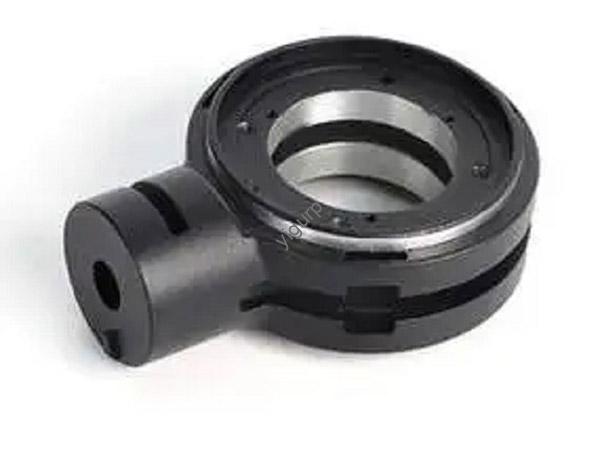
Se stai acquistando materiali per stress elevato, precision parts—like automotive gears or aerospace components—EN 18CrNiMo7-6 alloy steel merita la tua attenzione. Questo acciaio a bassa lega unisce una tenacità eccezionale, resistenza all'usura, e temprabilità, rendendolo la scelta migliore per i settori in cui il fallimento non è un’opzione. Sotto, analizziamo tutto ciò che devi sapere per usarlo in modo efficace, con i dati, casi del mondo reale, and practical insights.
1. Material Properties of EN 18CrNiMo7-6 Alloy Steel
EN 18CrNiMo7-6’s performance starts with its carefully balanced composition and inherent traits. Analizziamoli chiaramente.
1.1 Composizione chimica
The alloy’s elements work together to boost strength and durability. Values follow theIN 10084 standard (the official specification for this steel):
| Elemento | Simbolo | Composition Range (%) | Ruolo chiave |
|---|---|---|---|
| Carbonio (C) | C | 0.15 – 0.21 | Enhances surface hardness and tensile strength; critical for wear-resistant parts |
| Cromo (Cr) | Cr | 1.50 – 1.80 | Miglioraresistenza alla corrosione Etemprabilità; prevents oxidation at high temperatures |
| Nichel (In) | In | 1.40 – 1.70 | Aumentatenacità all'impatto (anche a basse temperature) e duttilità |
| Molibdeno (Mo) | Mo | 0.25 – 0.35 | Increasesresistenza alla fatica e stabilità alle alte temperature; riduce la fragilità |
| Manganese (Mn) | Mn | 0.50 – 0.80 | Miglioralavorabilità and helps refine the alloy’s grain structure |
| Silicio (E) | E | 0.15 – 0.40 | Agisce come disossidante durante la produzione dell'acciaio; strengthens the alloy without losing toughness |
| Zolfo (S) | S | ≤ 0.035 | Kept low to avoid brittleness and cracking in heat-treated parts |
| Fosforo (P) | P | ≤ 0.035 | Limitato per prevenire la fragilità da freddo (fracture in low-temperature environments) |
| Azoto (N) | N | ≤ 0.012 | Minimized to avoid porosity and ensure consistent mechanical properties |
1.2 Proprietà fisiche
These traits affect how EN 18CrNiMo7-6 performs in real-world conditions (per esempio., temperature changes or magnetic applications):
- Densità: 7.85 g/cm³ (same as most ferrous alloys, so it’s easy to replace other steels in existing designs)
- Punto di fusione: 1420 – 1450°C (high enough for applicazioni ad alta temperatura come le parti del motore)
- Conduttività termica: 44 Con/(m·K) a 20°C (retains heat well, ideal for parts that operate continuously)
- Capacità termica specifica: 465 J/(kg·K) a 20°C (stable heat absorption, preventing warping from temperature swings)
- Coefficiente di dilatazione termica: 12.3 µm/(m·K) (bassa espansione, critical for precision components like gears)
- Proprietà magnetiche: Ferromagnetico (attira i magneti, useful for tools like magnetic clamps)
1.3 Proprietà meccaniche
EN 18CrNiMo7-6’s true strength shines aftertrattamento termico (typically carburizing + tempra + tempera). Below are typical values for the alloy in its optimized state:
| Proprietà | Valore tipico | Norma di prova |
|---|---|---|
| Resistenza alla trazione | 1000 – 1200 MPa | NELL'ISO 6892-1 |
| Forza di rendimento | 800 – 950 MPa | NELL'ISO 6892-1 |
| Allungamento | 10 – 15% | NELL'ISO 6892-1 |
| Durezza (Brinell) | 280 – 340 HB | NELL'ISO 6506-1 |
| Durezza (Rockwell C) | 29 – 35 HRC | NELL'ISO 6508-1 |
| Durezza (Vickers) | 290 – 350 alta tensione | NELL'ISO 6507-1 |
| Resistenza all'impatto | ≥ 70 J | NELL'ISO 148-1 |
| Resistenza alla fatica | ~550MPa | NELL'ISO 13003 |
1.4 Altre proprietà
- Resistenza alla corrosione: Moderare (resists mild moisture and oils; use coatings like zinc plating for marine or chemical environments)
- Resistenza all'usura: Eccellente (grazie a cromo (Cr) and carburizing heat treatment—perfect for moving parts like bearings)
- Lavorabilità: Bene (softer in its annealed state; use high-speed steel (HSS) or carbide tools with cutting fluid for best results)
- Saldabilità: Acceptable (preriscaldare a 200 – 300°C and post-weld heat treat to avoid cracking; utilizzare elettrodi a basso contenuto di idrogeno)
- Temprabilità: Alto (heat treatment penetrates deeply, ensuring uniform strength in thick parts like heavy machinery shafts)
2. Applications of EN 18CrNiMo7-6 Alloy Steel
EN 18CrNiMo7-6’s mix of toughness, forza, and wear resistance makes it ideal forapplicazioni ad alto stress. Ecco i suoi usi più comuni, con esempi del mondo reale:
2.1 Industria automobilistica
Cars and trucks rely on parts that handle constant torque and impact. EN 18CrNiMo7-6 is used for:
- Componenti della trasmissione: A German automaker uses it for manual gearbox gears—its resistenza alla fatica (550 MPa) reduces wear, extending transmission life by 40% contro. acciaio al carbonio.
- Alberi: Heavy-duty pickup truck manufacturers use it for drive shafts; the alloy’s tenacità all'impatto (≥70 J) prevents bending during off-road use.
- Assi: A Japanese automaker switched to EN 18CrNiMo7-6 for commercial vehicle axles, cutting failure rates by 25% nei climi freddi.
2.2 Aerospace Engineering
Aerospace parts need to be strong yet lightweight. EN 18CrNiMo7-6 is used for:
- Componenti del carrello di atterraggio: A small aircraft manufacturer uses it for landing gear pins—its resistenza alla trazione (1000–1200MPa) handles the impact of landing, even with heavy payloads.
- Parti del motore: It’s used for turbine blades in small jet engines; its high punto di fusione (1420–1450°C) withstands engine heat.
2.3 Meccanico & Macchinari pesanti
Industrial machines need parts that last through constant use. EN 18CrNiMo7-6 is used for:
- Cuscinetti: A European manufacturing plant uses it for conveyor belt bearings—its resistenza all'usura reduces maintenance downtime by 30%.
- Rulli: Steel mills use it for rolling mill rollers; the alloy’s durezza (280–340 HB) resists deformation from heavy metal sheets.
- Componenti strutturali: Construction equipment makers use it for excavator arm joints—its forza di snervamento (800–950MPa) handles heavy lifting.
3. Manufacturing Techniques for EN 18CrNiMo7-6 Alloy Steel
To get the best performance from EN 18CrNiMo7-6, follow these proven manufacturing steps:
3.1 Processi di produzione dell'acciaio
The alloy is typically produced using:
- Forno ad arco elettrico (EAF): Most common for small to medium batches. L'acciaio di scarto viene fuso, Poi cromo (Cr), nichel (In), E molibdeno (Mo) are added to hit the target composition. EAF is flexible and reduces waste.
- Fornace ad ossigeno basico (BOF): Utilizzato per la produzione su larga scala. Molten iron is mixed with oxygen to remove impurities, vengono poi aggiunti gli elementi di lega. BOF is faster but requires more precise control.
3.2 Trattamento termico
Heat treatment is critical to unlock EN 18CrNiMo7-6’s strength. Il processo standard è:
- Carburazione: Riscaldare a 900 – 950°C in un’atmosfera ricca di carbonio. Adds a hard outer layer (0.8–1.2 mm thick) per resistenza all'usura.
- Tempra: Cool rapidly in oil. Hardens the entire part.
- Temperamento: Riscaldare a 500 – 600°C, then cool in air. Reduces brittleness while keeping strength.
- Ricottura (opzionale): Riscaldare a 820 – 850°C, cool slowly. Softens the alloy for easier machining.
3.3 Processi di formazione
EN 18CrNiMo7-6 is shaped into parts using:
- Forgiatura: Hammered or pressed at high temperature (1100 – 1200°C). Crea forte, dense parts like gears (forging aligns the alloy’s grain, potenziamento resistenza alla trazione).
- Rotolamento: Passed through rollers to make bars or sheets. Used for basic shapes like shafts.
- Estrusione: Pushed through a die to make complex shapes. Ideal for aerospace components like landing gear pins.
3.4 Machining Processes
Dopo la formazione, parts are finished with:
- Girando: Uses a lathe to make cylindrical parts (per esempio., alberi). Use cutting fluid to prevent overheating.
- Fresatura: Uses a rotating cutter to shape gear teeth or bearing races. Carbide tools work best for precision.
- Perforazione: Creates holes for bolts (per esempio., in structural components). High-speed drills reduce tool wear.
- Rettifica: Smooths surfaces to tight tolerances (per esempio., bearing inner rings). Migliora resistenza all'usura.
4. Caso di studio: EN 18CrNiMo7-6 in Heavy-Duty Truck Transmissions
A North American truck manufacturer faced a problem: their carbon steel transmission gears kept failing after 200,000 km. They switched to EN 18CrNiMo7-6—and saw dramatic results.
4.1 Sfida
The manufacturer’s trucks hauled 40-ton loads, putting extreme stress on transmission gears. Carbon steel gears had lowresistenza alla fatica (400 MPa), leading to premature wear and costly breakdowns.
4.2 Soluzione
They switched to EN 18CrNiMo7-6 gears, utilizzando:
- Carburazione (920°C) to add a 1.0 mm hard outer layer.
- Tempra + tempera (550°C) to reach 320 HB durezza E 550 MPa resistenza alla fatica.
4.3 Risultati
- Service life: Gears now last 400,000 km—double the previous lifespan.
- Risparmio sui costi: Reduced maintenance costs by $150,000 all'anno (per factory).
- Prestazione: Gears handle heavy loads without wear, even in -30°C winter conditions (thanks to high tenacità all'impatto).
5. Analisi comparativa: EN 18CrNiMo7-6 vs. Altri materiali
How does EN 18CrNiMo7-6 stack up against common alternatives? Below is a side-by-side comparison:
| Materiale | Resistenza alla trazione | Resistenza alla corrosione | Densità | Costo (contro. EN 18CrNiMo7-6) | Ideale per |
|---|---|---|---|---|---|
| EN 18CrNiMo7-6 | 1000–1200MPa | Moderare | 7.85 g/cm³ | 100% (base) | Parti ad alto stress (ingranaggi, alberi) |
| Acciaio inossidabile (304) | 515 MPa | Eccellente | 7.93 g/cm³ | 160% | Food/chemical equipment |
| Acciaio al carbonio (A36) | 400 MPa | Basso | 7.85 g/cm³ | 50% | Parti a bassa sollecitazione (cornici) |
| Acciaio legato (4140) | 950 MPa | Moderare | 7.85 g/cm³ | 80% | Macchinari generali |
| Titanio (Grado 5) | 1100 MPa | Eccellente | 4.43 g/cm³ | 800% | Parti aerospaziali leggere |
Chiave da asporto: EN 18CrNiMo7-6 offers betterresistenza alla trazione Etenacità than carbon steel or 4140. It’s cheaper than stainless steel or titanium, making it the best value forapplicazioni ad alto stress.
Yigu Technology’s Perspective on EN 18CrNiMo7-6 Alloy Steel
Alla tecnologia Yigu, we’ve supplied EN 18CrNiMo7-6 parts to automotive and machinery clients for over 15 anni. Its unique mix oftemprabilità, tenacità all'impatto, Eresistenza all'usura makes it unmatched for high-stress components like transmission gears and axles. We often recommend carburizing heat treatment to maximize its performance, and we’ve seen clients cut maintenance costs by 30–40% after switching from other steels. For clients needing extra corrosion protection, we pair it with advanced coatings. EN 18CrNiMo7-6 will remain a top choice for industries prioritizing durability and reliability.
FAQ About EN 18CrNiMo7-6 Alloy Steel
1. Can EN 18CrNiMo7-6 be used in marine environments?
It has moderateresistenza alla corrosione, so it needs protection for marine use. We recommend galvanizing or powder coating to prevent rust from saltwater. For extreme cases, pair it with stainless steel fasteners.
2. What’s the best heat treatment for EN 18CrNiMo7-6 gears?
Per ingranaggi, utilizzocarburazione (900–950°C) + tempra + tempera (550°C). This creates a hard outer layer (da indossare) and a tough core (per impatto), extending gear life by 2–3x.
3. How does EN 18CrNiMo7-6 compare to 4140 acciaio legato?
EN 18CrNiMo7-6 has highernichel (In) Ecromo (Cr) contenuto, giving it bettertenacità all'impatto (≥70 J vs. 40 J for 4140) Eresistenza all'usura. 4140 is cheaper but less suitable for cold climates or heavy loads. Choose EN 18CrNiMo7-6 for critical parts like transmission gears.