
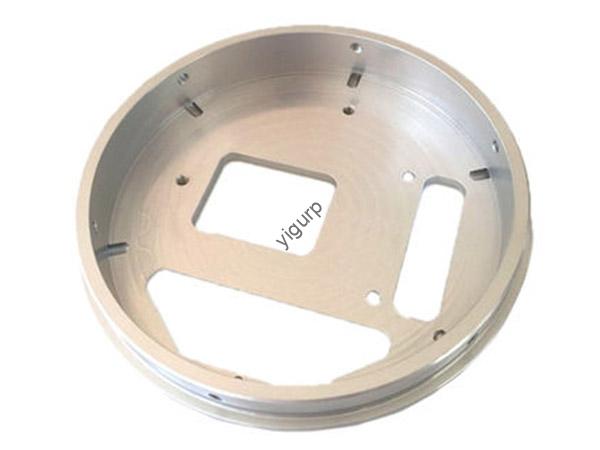
Se sei un ingegnere, produttore, o acquirente alla ricerca di un metallo che bilanci la precisione, forza, e versatilità, acciaio laminato a freddo è la tua soluzione. Dagli eleganti pannelli della carrozzeria automobilistica alle parti durevoli di elettrodomestici, è la spina dorsale di innumerevoli prodotti, grazie alla sua superficie liscia, tolleranze strette, e prestazioni affidabili. Questa guida analizza tutto ciò che devi sapere per scegliere, utilizzo, and source cold rolled steel effectively.
1. Cold Rolled Steel Products: Types for Every Application
Cold rolled steel comes in several forms, ciascuno adattato alle esigenze specifiche. Understanding the differences helps you pick the right product for your project:
| Product Type | Caratteristiche principali | Usi comuni |
|---|---|---|
| Cold rolled steel sheet | Piatto, magro (0.4-3 mm), cut to standard sizes | Pannelli degli elettrodomestici, involucri elettronici |
| Cold rolled steel coil | Continuous rolls (width 100–2000mm) | Produzione di massa (per esempio., parti automobilistiche) |
| Cold rolled steel strip | Narrow coils (larghezza <100mm), alta precisione | Sorgenti, elementi di fissaggio, battery contacts |
| Precision cold rolled steel plate | Spesso (3–6mm), ultra-tight tolerances | Structural components in robotics, macchinari |
| Extra-deep-drawing cold rolled steel | High formability (bends without cracking) | Food packaging cans, serbatoi di carburante per autoveicoli |
Esempio: A major appliance brand usescold rolled steel sheet for refrigerator doors—its smooth surface accepts paint evenly, and its rigidity keeps the door from warping over time.
2. Produzione & Processing Techniques: How Cold Rolled Steel Is Made
Cold rolling transforms hot-rolled steel into a higher-quality product through room-temperature processing. Ecco la procedura dettagliata:
- Start with Hot-Rolled Steel: The base material is hot-rolled steel (da un altoforno), which has a rough surface and loose tolerances.
- Ricottura: The hot-rolled steel is heated to 600–700°C (1112–1292°F) and cooled slowly. This softens the metal, making it easier to roll and improving its formability.
- Cold Rolling Mill Process: The annealed steel is passed through a series of rolling mills at room temperature. Each pass squeezes the steel to reduce thickness (by 20–90%) and smooth the surface.
- Tandem Cold Rolling: Per produzioni di grandi volumi (per esempio., coils), multiple mills work in a line (“tandem”) to speed up processing while maintaining precision.
- Skin Pass Rolling: A final light rolling step (1–3% thickness reduction) to fix surface defects, improve flatness, and create a uniform finish.
- Edge Trimming: Per cold rolled steel strip o fogli, the edges are trimmed to remove irregularities and ensure consistent width.
Per Suggerimento: Skipping annealing leads to brittle steel—always confirm suppliers include this step to avoid product failure.
3. Proprietà dei materiali & Prestazione: Why Cold Rolled Steel Stands Out
Cold rolling enhances steel’s properties far beyond hot-rolled alternatives. Here are its most valuable traits:
- Elevata resistenza alla trazione: Cold rolling increases strength by 20–50% (per esempio., 450 MPa for cold rolled vs. 300 MPa for hot rolled). This makes it ideal for load-bearing parts.
- Finitura superficiale superiore: Ra (media di rugosità) of 0.4–1.6 μm—compared to 5–10 μm for hot rolled. No extra grinding is needed for visible parts (per esempio., pannelli di carrozzeria).
- Tight Thickness Tolerance: ±0.01mm for precision products—critical for parts that need to fit together (per esempio., componenti elettronici).
- Improved Dimensional Accuracy: Cold rolling eliminates warping, so sheets/coils stay flat during cutting and forming.
- Enhanced Formability: Annealing during processing lets enhanced formability cold rolled steel curva, stirata, or draw into complex shapes (like the curved body of a smartphone).
Data Comparison: Hot-Rolled vs. Acciaio laminato a freddo
| Proprietà | Hot-Rolled Steel | Acciaio laminato a freddo |
|---|---|---|
| Resistenza alla trazione | 300–400MPa | 450–600 MPa |
| Finitura superficiale (Ra) | 5–10 µm | 0.4–1.6 μm |
| Thickness Tolerance | ±0,1 mm | ±0,01 mm |
4. Applicazioni & End-Use Industries: Where Cold Rolled Steel Shines
Cold rolled steel’s versatility makes it a staple across industries. Ecco i suoi usi principali:
- Automobilistico: Cold rolled steel in automotive body panels (per esempio., doors, cappe) offers strength to protect passengers and a smooth surface for painting. High-strength grades like CR780/980 are used for crash zones.
- Elettrodomestici: Frigoriferi, lavatrici, and ovens rely on cold rolled steel for their outer shells—its rigidity resists dents, and its finish holds up to daily use.
- Costruzione: Cold rolled steel in construction framing (per esempio., wall studs) is lighter than wood but stronger, making it ideal for high-rise apartments.
- Elettronica: Involucri del telefono, cornici per laptop, and TV brackets use thin cold rolled sheets—their precision ensures parts fit perfectly.
- Elettrico: Cold rolled electrical steel for motors (per esempio., in HVAC systems) has low magnetic loss, making appliances more energy-efficient.
- Confezione: Extra-deep-drawing cold rolled steel is shaped into food cans—its formability lets it create airtight seals to preserve food.
5. Standard, Gradi & Certificazioni: Ensuring Quality
Using certified cold rolled steel avoids defects and ensures compliance with industry rules. Here are the key standards and grades:
| Standard/Grade | Origin | Caratteristiche chiave | Usi comuni |
|---|---|---|---|
| ASTM A1008 | U.S.A. | Covers commercial/automotive cold rolled steel | Pannelli di carrozzeria, parti dell'apparecchio |
| JIS G3141 SPCC | Giappone | Commercial quality, di uso generale | Involucri elettronici, parentesi semplici |
| IN 10130 DC01 | Europa | Low-carbon, buona formabilità | Imballaggio alimentare, piccole parti |
| ISO 3574 | Globale | Commercial quality cold rolled strip | Elementi di fissaggio, molle |
| Automotive grade CR780/980 | Globale | Alta resistenza (780–980 MPa) | Automotive crash zones, parti strutturali |
Certification Tip: Always ask for a Mill Test Report (MTR) to confirm the steel meets your chosen standard—this document verifies strength, composition, e finire.
6. Trattamenti superficiali & Rivestimenti: Boosting Durability
Cold rolled steel’s surface can be treated to add corrosion resistance, improve paint adhesion, or enhance appearance. Here are the most common options:
- Galvanized cold rolled steel: Dipped in zinc to resist rust—used for outdoor parts (per esempio., construction framing, grigliate all'aperto).
- Zinc-aluminum-magnesium coated cold rolled: More durable than galvanized (lasts 2–3x longer)—ideal for coastal areas with saltwater air.
- Phosphate treated cold rolled steel: A thin phosphate layer improves paint adhesion—used for appliance panels, carrozzerie di automobili.
- Electro-galvanized cold rolled coil: Zinc applied via electricity (più sottile, more uniform than hot-dipped)—used for electronics parts.
- Pre-painted cold rolled steel sheet: Factory-applied paint or film—saves time in production (per esempio., porte del frigorifero, signboards).
Esempio: A coastal construction project useszinc-aluminum-magnesium coated cold rolled steel for framing—its corrosion resistance prevents rust from salt spray, extending the building’s lifespan by 15+ anni.
La prospettiva della tecnologia Yigu
Alla tecnologia Yigu, we prioritize cold rolled steel that meets global standards (like ASTM A1008 and EN 10130 DC01) to ensure client projects are reliable. Consigliamo spessopre-painted cold rolled steel sheet for appliance manufacturers—it cuts their production time by eliminating on-site painting. Per i clienti del settore automobilistico, we supply high-strength CR780/980, which balances safety and weight savings. We also offer custom cuts forprecision cold rolled steel plate, helping machinery makers avoid waste.
Domande frequenti
- Is cold rolled steel better than hot rolled steel for outdoor use?
Not on its own—uncoated cold rolled steel rusts easily. Per uso esterno, scegliere galvanized cold rolled steel or zinc-aluminum-magnesium coated options, which add corrosion resistance. - Can cold rolled steel be welded?
SÌ, but it’s trickier than hot rolled steel—cold rolling makes it harder, quindi preriscaldamento (to 150–200°C) helps prevent cracking. Use low-hydrogen welding rods for best results. - What’s the difference between CR780 and CR980 cold rolled steel?
Both are high-strength automotive grades, but CR980 (980 Resistenza alla trazione MPa) is stronger than CR780 (780 MPa). CR780 is used for less critical parts (per esempio., door beams), while CR980 is for crash zones.