
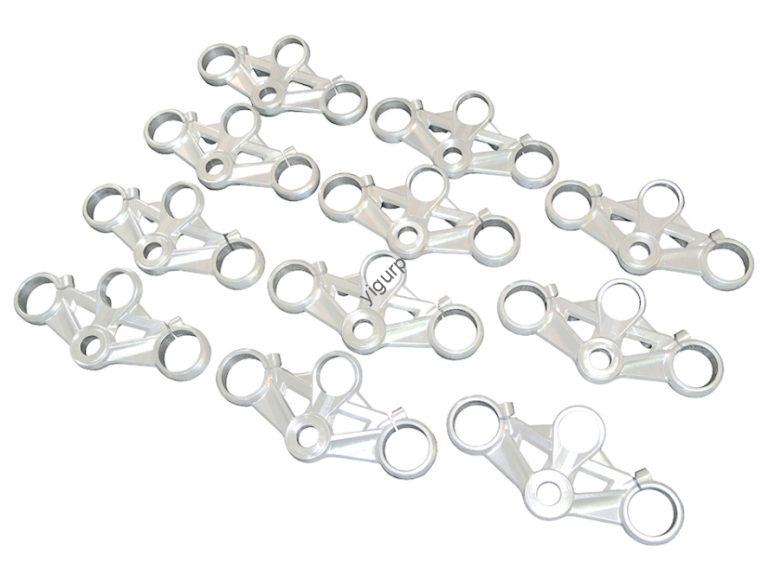
Se sei un ingegnere di prodotto che corre per testare un nuovo progetto o uno specialista nell'approvvigionamento che acquista prototipi affidabili, CNC plastic prototype shell machining is your most powerful tool. Questa tecnologia trasforma i progetti digitali in fisici, parti funzionali: velocemente, precisamente, e con materiali che si abbinano al tuo prodotto finale. Sotto, we break down everything you need to know to leverage it for your projects.
1. Why CNC Plastic Prototype Shells Stand Out: Key Technical Advantages
The biggest reason teams chooseCNC plastic prototype shells over 3D printing or molding? Unbeatable precision and real-world relevance. Let’s break down the advantages with hard data and use cases:
| Vantaggio | Dettagli chiave | Esempio del mondo reale |
|---|---|---|
| Alta precisione & Ripetibilità | Tolerances as tight as±0,05 mm—critical for parts that need to fit or function with other components. | A medical device company used CNC machining to create aplastic prototype shell for a glucose monitor. The ±0.03mm precision ensured the shell aligned perfectly with internal sensors, avoiding costly reworks. |
| Real-Material Testing | Made from the same plastics as mass-produced parts (per esempio., ABS, computer), so you test durability, peso, and feel accurately. | A consumer electronics brand tested aCNC plastic prototype shell for a wireless earbud case using real PC plastic. They discovered the material was too brittle for daily drops—fixing the issue before production. |
| Fast Design Iteration | Modify G-code in hours (not days) to update designs. Shortens development cycles by 30–50%. | An automotive supplier redesigned aplastic prototype shell for a car’s interior light 3 times in one week using CNC. Traditional molding would have taken 2+ weeks per iteration. |
| Consistent Surface Quality | 常规 machining reachesRa 1.6 µm (smooth enough for visible parts); ultra-finishing hits0.2 µm (ideal for high-end products). | A furniture brand used CNC to makeprototype shells for a smart lamp. The Ra 0.8 μm surface finish matched the final product’s sleek look, letting designers approve the appearance early. |
2. Where CNC Plastic Prototype Shells Add Value: Application Cases
CNC plastic prototype shells aren’t just for “testing”—they solve unique problems across industries. Here are four key sectors and how they use the technology:
Progettazione industriale
Designers rely onCNC plastic prototype shells to turn 3D models into tangible objects. Per esempio, a kitchenware startup used CNC to make 10prototype shells for a new blender base. By holding and testing the physical part, they adjusted the grip size (from 8cm to 9.5cm) to fit most hand sizes—something digital simulations couldn’t show.
Produzione automobilistica
Car makers useCNC plastic prototype shells for parts like light covers and sensor housings. A European automaker needed a rapid prototype for a new headlight lens. CNC machining delivered 5plastic shells In 3 giorni, allowing engineers to test how light refracted through the material—saving 3 weeks compared to tooling for molding.
Dispositivi medici
Medical parts demand precision and biocompatible materials. A startup developing a portable ultrasound device used CNC to create aplastic prototype shell from PEI (Definitivo), a medical-grade plastic. The prototype let them test how the device fit in doctors’ hands and ensure it could withstand frequent cleaning with disinfectants.
Elettronica di consumo
From phone cases to toy components, CNC plastic prototype shells speed up launches. A tech company making a kids’ tablet used CNC to prototype the shell with PP plastic (durable and non-toxic). Hanno testato 3 iterations—adjusting the corner thickness to prevent cracks from drops—before finalizing the design.
3. How to Choose the Right Material for Your CNC Plastic Prototype Shell
Not all plastics work for every project. The right material depends on your prototype’s goal (per esempio., forza, resistenza al calore). Below is a quick guide to top options:
| Materiale | Proprietà chiave | Ideale per |
|---|---|---|
| ABS | Resistente agli urti, facile da dipingere | Elettronica di consumo (per esempio., gusci di laptop) |
| computer (Policarbonato) | Resistente al calore, trasparente | Coperture per fari automobilistici, dispositivi medici |
| PMMA (Acrilico) | Crystal-clear, resistente ai graffi | Vetrine, parti decorative |
| PA (Nylon) | Flessibile, resistente all'usura | Hinges, parti in movimento (per esempio., toy joints) |
| SBIRCIARE | Resistenza alle alte temperature, biocompatibile | Impianti medici, strumenti industriali |
Pro Tip for Engineers: If you’re testing a part that will be exposed to heat (per esempio., a car engine component), avoid ABS (melts at ~100°C) and choose PEEK (withstands up to 343°C) instead.
4. What to Look for in a CNC Plastic Prototype Shell Service Provider
Not all CNC shops deliver the same quality. To avoid delays or poor results, prioritize these three factors:
- ISO9001 Certification: This ensures the shop follows strict quality control. Per esempio, a provider with ISO9001 will inspect every CNC plastic prototype shell per la precisione dimensionale (utilizzando calibri o scanner 3D) before shipping.
- Equipment Range: 3-axis CNC works for simple parts, but complex designs (per esempio., curved shellswith undercuts) need 4-axis or 5-axis machines. A shop with all three can handle any project.
- Supporto tecnico: A good team will help you choose materials and optimize your design. Ad esempio, if your prototype shell has thin walls (less than 1mm), they’ll warn you about potential warping and suggest adjustments.
Yigu Technology’s Perspective on CNC Plastic Prototype Shells
Alla tecnologia Yigu, we’ve seen howCNC plastic prototype shells transform product development. Many clients come to us after struggling with 3D printing (too fragile) or molding (troppo lento). Our 5-axis CNC machines and ISO9001 processes ensure every prototype meets tight tolerances—whether it’s a medical device shell or an automotive part. We also offer one-on-one support: last month, we helped a startup adjust theirshell design to cut machining time by 20% without losing precision. For teams aiming to launch better products faster, CNC plastic prototype shells aren’t just a tool—they’re a competitive edge.
FAQ About CNC Plastic Prototype Shells
- How long does it take to make a CNC plastic prototype shell?
Most simple shells (per esempio., a small electronics case) impiegare 1-3 giorni. Disegni complessi (per esempio., 5-axis parts with intricate details) potrebbero essere necessari 3-7 giorni. - Is CNC plastic prototype shell machining more expensive than 3D printing?
Per piccole quantità (1–5 parts), 3La stampa D è spesso più economica. But for 5+ parts or parts needing high precision/real materials, CNC is more cost-effective—you avoid 3D printing’s post-processing costs (per esempio., levigatura, pittura). - Can CNC plastic prototype shells be used for small-batch production?
SÌ! Many companies use CNC to make 50–500 plastic shells for pilot launches. It’s faster than tooling for injection molding and lets you test market demand before scaling up.