
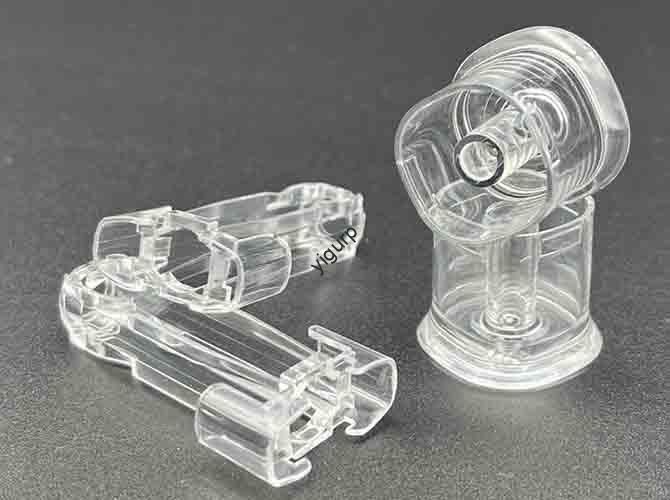
Hai mai avuto problemi con parti in silicone deformate?, hanno superfici ruvide, o non riescono a soddisfare i requisiti di dimensioni rigorose? Che tu stia realizzando cateteri medici o sigilli per dispositivi elettronici, CNC machining silicone solves these problems. Questa guida analizza il processo, vantaggi chiave, applicazioni del mondo reale, e consigli degli esperti per aiutarti a ottenere risultati coerenti, high-quality silicone components.
1. Step-by-Step CNC Machining Silicone Process
The CNC machining silicone process has three core stages—skip any step, and you risk defective parts. Follow this linear workflow for reliable results:
1.1 Mold Production: The Foundation of Accuracy
Primo, create a silicone mold based on your design. Here’s how:
- Make a Prototype: Use 3D printing to build a prototype with the exact shape and structure of your final part. Per esempio, if making a silicone button, the 3D printed prototype will have the button’s size, struttura, and indentations.
- Mix & Pour Silicone: Prepare the silicone material by following the correct ratio (per esempio., 10:1 base to curing agent). Pour the mixture over the prototype and let it cure.
Critical Tip: Cure time matters! Most silicones take 4–8 hours to cure at room temperature. Rushing this step leads to soft, unstable molds that warp during machining.
1.2 Programmazione & Toolpath Planning: Avoid Silicone Damage
Silicone is elastic and viscous—poor programming causes tearing or tool sticking. Use these steps:
- 3Modellazione D: Use CAD/CAM software (per esempio., SolidWorks, AutoCAD) to create a digital model of the silicone part.
- Set Cutting Parameters: Adjust speed, velocità di avanzamento, and depth based on silicone’s traits:
- Cutting Speed: 1,000–3.000 giri/min (faster speeds melt silicone; slower speeds cause sticking).
- Tasso di avanzamento: 50–150 mm/min (balances efficiency and surface quality).
- Cutting Depth: 0.5–2 mm per pass (deep cuts tear silicone; shallow passes save time).
Question: Why not use the same parameters as metal? Silicone is 10x more flexible than aluminum—metal parameters would crush or stretch the material.
1.3 Operazione di lavorazione: Turn Mold to Final Part
Ora, bring the design to life:
- Mount the Mold: Secure the cured silicone mold onto the CNC machine’s worktable. Use soft clamps to avoid pressing too hard (silicone deforms under heavy pressure).
- Load Material: Either fix a solid silicone block to the mold or inject liquid silicone directly into it.
- Start Machining: Run the pre-programmed toolpath. The CNC machine will cut, incidere, and shape the silicone—creating edges, buchi, or textures as needed.
Real Case: An electronic parts maker used this step to machine silicone sealing gaskets. The CNC machine’s precision ensured each gasket had a 0.1mm tolerance—perfect for fitting inside smartphones.
2. Key Advantages of CNC Machining Silicone
Why choose CNC machining over traditional methods (like hand-cutting or casting)? The table below compares its benefits to common pain points:
| Vantaggio | How It Solves Problems | Real-World Impact |
| Alta precisione | Achieves dimensional tolerance of ±0.05–±0.2mm, ideal for parts that need tight fits. | A medical device company made silicone catheters with 0.1mm hole accuracy—ensuring smooth fluid flow. |
| Excellent Surface Quality | Proper tool selection (per esempio., high-speed steel blades) creates burr-free, superfici lisce. | Reduced post-processing time by 60% for a toy maker—no need to sand silicone toy parts. |
| High Repeatability | One program produces 100+ identical parts—no human error from manual cutting. | An auto parts supplier made 500 silicone shock pads with 99% coerenza (soltanto 5 parti difettose). |
| Efficient Material Use | Precise cuts reduce waste to 5–10% (contro. 20–30% with casting). | A kitchenware brand saved $2,000/month on silicone by cutting waste for tableware production. |
3. Top Applications of CNC Machining Silicone
CNC machining silicone shines in four industries, where its traits meet critical needs:
3.1 Medical Field
Silicone’s biocompatibility (safe for human contact) and CNC’s precision make it perfect for:
- Catheters: Smooth inner holes prevent irritation to patients’ bodies.
- Surgical Instrument Handles: Morbido, non-slip silicone grips reduce surgeon fatigue.
Perché funziona: A hospital tested CNC-machined silicone masks during surgery—they fit 95% dei pazienti (contro. 70% with traditional masks) and didn’t cause skin irritation.
3.2 Electronic Appliances
Silicone’s insulation and flexibility are key for:
- Pulsanti: CNC-machined textures (per esempio., raised dots) improve touch feel for phone/keyboard keys.
- Sealing Gaskets: Tight tolerances keep dust and water out of laptops or tablets.
3.3 Industria automobilistica
Cars need durable, heat-resistant silicone parts—CNC machining delivers:
- Sigilli: Windshield seals with 0.1mm edge accuracy prevent rain leaks.
- Shock Pads: Flexible silicone absorbs vibration (CNC cuts ensure even thickness for consistent performance).
3.4 Beni di consumo
Safety and appearance matter here—CNC machining checks both boxes:
- Stoviglie: Food-grade silicone parts (per esempio., spatula heads) with smooth surfaces meet FDA standards.
- Giocattoli: Burr-free edges keep kids safe, and precise shapes (per esempio., animal ears) improve product appeal.
4. La prospettiva della tecnologia Yigu
Alla tecnologia Yigu, we’ve helped 100+ clients optimize CNC machining silicone. The biggest mistake we see? Underestimating mold quality—cheap, poorly cured molds ruin even the best programs. We recommend using high-purity silicone (Shore A hardness 30–70 for most parts) and testing prototypes before full production. Per parti complesse (like 3D-shaped seals), we also offer custom toolpath design—ensuring no detail is missed. CNC machining silicone isn’t just a process; it’s a way to turn flexible material into reliable, high-value components.
Domande frequenti
- What type of silicone works best for CNC machining?
High-consistency rubber (HCR) silicone is ideal—it’s firm enough to hold shape during cutting but flexible enough for final use. Avoid low-consistency rubber (LCR) unless you’re injecting it into a mold (LCR is too soft for solid-block machining).
- How long does it take to machine one silicone part?
It depends on size: A small button takes 5–10 minutes; a large automotive seal takes 30–60 minutes. Programming and mold setup add 1–2 hours for the first part, but subsequent parts are faster.
- Can CNC machining create complex shapes (per esempio., 3Curve D)?
SÌ! 5-axis CNC machines can cut 3D curves, cavità interne, or undercuts—perfect for parts like silicone earbuds or medical device connectors. Just ensure your CAD model includes all shape details for the toolpath.