
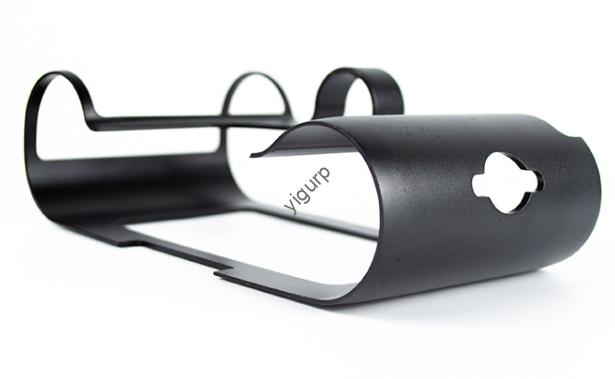
Se sei un ingegnere di prodotto o uno specialista dell'approvvigionamento incaricato di ridimensionare la produzione di parti in plastica, probabilmente ti sarai chiesto: Perché lo stampaggio a iniezione è la scelta migliore per la plastica di consumo?? La risposta sta nel suo impareggiabile mix di velocità, qualità, e risparmio sui costi. Questa guida analizza il advantages of injection molding process con esempi del mondo reale, dati, and actionable insights to help you decide if it’s right for your project.
What Makes the Injection Molding Process Stand Out?
Primo, a quick recap: Stampaggio ad iniezione is a manufacturing method that melts granular plastic (called pellets) and injects it into custom-designed molds. Una volta raffreddato, the plastic takes the mold’s shape—enabling mass production of nearly identical parts. A differenza della stampa 3D (great for prototypes) o lavorazione CNC (good for small batches), injection molding shines when you need 10,000+ parti. Its advantages stem from this high-volume focus: coerenza, efficienza, and flexibility that other methods can’t match.
12 Key Advantages of Injection Molding Process (With Data & Casi)
Below are the core benefits of injection molding, organized by what matters most to engineers and procurement teams: libertà di progettazione, velocità di produzione, risparmio sui costi, and part performance.
1. Handles Complex Part Designs (No Extra Cost)
Injection molding excels at creating intricate geometries—think internal channels, pareti sottili, or detailed engravings—that would be costly or impossible with other methods. The best part? Complexity doesn’t increase production costs because the mold does all the work in one cycle.
Esempio del mondo reale: Medical Inhaler Components
A pharmaceutical company needed inhalers with tiny, precise airflow valves (critical for delivering medication). CNC machining struggled to cut the valve’s 0.5mm internal channels—each part took 2 hours to make, E 15% were defective. With injection molding:
- The mold was designed to include the channels, so parts came out fully formed.
- Il tempo di produzione è sceso a 30 secondi per parte.
- Defect rate fell to 0.2%.
Questo è il motivo 90% of medical device companies use injection molding for complex parts like inhalers or syringe components.
2. Blazing-Fast Production Speed (15–120 Second Cycles)
Speed is injection molding’s biggest selling point. Each “cycle” (melt plastic → inject → cool → eject part) takes just 15–120 seconds, a seconda delle dimensioni e della complessità della parte. Per corse ad alto volume, this adds up to thousands of parts per day.
Production Speed Comparison
| Manufacturing Method | Cycle Time per Part | Daily Output (8-Hour Shift) | Best for Batch Size |
| Stampaggio ad iniezione | 15–120 secondi | 2,400–38,400 parts | 10,000+ unità |
| 3D Stampa (FDM) | 1–4 ore | 2–8 parts | 1–50 unità |
| Lavorazione CNC | 10–30 minutes | 16–48 parts | 50–500 unità |
A toy manufacturer, Per esempio, used injection molding to make 500,000 plastic action figure bodies in 2 weeks—something that would take 6 months with 3D printing.
3. Creates Strong, Durable Parts (Matches Metal in Some Cases)
Modern termoplastici used in injection molding are far stronger than you might think. Many engineered blends (come l'ABS + fibra di vetro) can withstand harsh environments—high temperatures, prodotti chimici, or impacts—just like metal, but at a fraction of the weight.
Material Strength Comparison
| Materiale | Resistenza alla trazione | Weight vs. Acciaio | Ideale per |
| ABS di serie | 42–45 MPa | 70% più leggero | Custodie per telefoni, giocattoli |
| ABS + Fibra di vetro | 80–90 MPa | 65% più leggero | Staffe automobilistiche |
| Nylon 6/6 | 75 MPa | 75% più leggero | Ruote dentate, elementi di fissaggio |
| Acciaio (Blando) | 400 MPa | 100% (baseline) | Heavy-duty structural parts |
An automotive supplier swapped steel brackets for ABS + fibra di vetro parti stampate ad iniezione. The brackets were 65% più leggero (boosting fuel efficiency) and just as strong—saving the automaker $2 per vehicle.
4. Flexible Color & Opzioni materiali (25,000+ Scelte)
Injection molding lets you customize parts to match your brand or specs:
- Colors: Mix plastic pellets with dyes or additives to get any shade—from bright red to transparent. For multi-color parts, utilizzo sovrastampaggio (inject two materials in one cycle).
- Materiali: Choose from 25,000+ engineered plastics, anche biocompatibile (per parti mediche) or flame-retardant (per l'elettronica) opzioni.
Esempio: Consumer Electronics Casings
A phone brand wanted its new model to come in 5 colori. With injection molding:
- They used the same mold for all colors—just swapped the colored pellets.
- No extra tooling cost (unlike CNC machining, which would need separate setups for each color).
- They even added a matte texture to the mold, so casings had a premium feel without secondary sanding.
5. Rifiuti minimi (Recyclable Scrap)
Rispetto ai metodi tradizionali (come la lavorazione CNC, which cuts away 70% di materiale), injection molding produces very little waste. Most scrap comes from gates and runners (the plastic channels that feed the mold)—and this scrap can be reground and reused in future production.
Waste Comparison
| Method | Rifiuti materiali | Scrap Recyclability |
| Stampaggio ad iniezione | 5–10% | 100% (reground) |
| Lavorazione CNC | 50–70% | 80% (needs cleaning) |
| 3D Stampa (FDM) | 15–20% | 90% (filament scraps) |
A packaging company used injection molding to make plastic food containers. They recycled 95% of their gate scrap, risparmio $12,000 per year in material costs.
6. Low Labor Costs (Automated for Scale)
Injection molding is highly automated—most machines have:
- Automated gating: Feeds plastic pellets without manual help.
- Robotic ejectors: Removes parts from the mold.
- Process monitoring tools: Tracks quality without constant supervision.
This means you need fewer workers to run large-scale production. Per esempio, a single operator can manage 2–3 injection molding machines, each making 10,000+ parti al giorno. A furniture maker reported cutting labor costs by 40% after switching from manual assembly to injection-molded chair parts.
7. Versatile Surface Finishes (No Secondary Work)
Injection-molded parts come out of the mold with a finish that’s often ready to use—no sanding, pittura, or polishing needed. You can customize the mold to get:
- Liscio, glossy surfaces (per l'elettronica).
- Matte textures (per presa, like tool handles).
- Engravings or logos (permanent and precise).
A kitchenware brand used a mold with a textured surface for plastic spatulas. The spatulas had a non-slip grip right off the machine—saving them a $0.30 per unit sanding cost.
8. Parti leggere (Ideal for Automotive/Aerospace)
Plastic injection-molded parts are 50–70% lighter than metal equivalents, making them perfect for industries where weight matters. Modern high-strength plastics (like polycarbonate) keep the strength while cutting weight—boosting fuel efficiency in cars or reducing fatigue in medical devices.
Esempio: Automotive Interior Parts
A car manufacturer switched from metal to injection-molded plastic for dashboard brackets. Le parentesi:
- Weighed 60% meno.
- Costo 30% less to make.
- Didn’t compromise on strength (passed crash tests with flying colors).
Questo è il motivo 70% of automotive interior parts are now injection-molded.
9. Compatible with Multiple Materials (Safe Blends)
Need a part with two materials—like a soft grip on a hard tool? Injection molding handles this with sovrastampaggio (injecting a second material over the first) O multi-material molding. Mold engineers ensure materials are compatible, reducing defects and safety risks.
A power tool company used overmolding to make drill handles: a hard ABS core for strength, and a soft TPE (elastomero termoplastico) outer layer for grip. The process was seamless—no glue or assembly needed—and the handles lasted 3x longer than glued versions.
10. Unbeatable Consistency (Tolerances Up to +/- 0.0002 Pollici)
Per produzioni di grandi volumi, consistency is key. Injection molding uses the same mold for every part, so each unit is nearly identical. Modern machines also maintain tight tolerances—up to +/- 0.0002 inches—critical for parts that need to fit together (come i connettori elettronici).
A connector manufacturer needed 1 million USB-C ports with precise pin spacing. Injection molding delivered:
- 99.9% of ports met tolerance specs.
- No variation in pin spacing (unlike CNC machining, which had 5% variation).
11. Precision for Small, Detailed Parts
Injection molding isn’t just for large parts—it excels at tiny, precise components too. Micro injection molding (a subset of the process) makes parts as small as 0.1 grammi, like medical sensors or watch gears.
A watch brand used micro injection molding to make 0.5mm-thick gear wheels. The parts were so precise that the watches kept time within +/- 2 seconds per day—better than the industry average of +/- 5 secondi.
12. Shortens Product Development Time
With experienced mold engineers, injection molding can speed up product launches. Engineers work with you to optimize part designs for the mold, avoiding costly reworks later. Many companies report cutting product development time by 30% compared to other methods.
A startup making reusable water bottles went from prototype to production in 8 weeks with injection molding—half the time it would have taken with CNC machining. They launched 2 mesi prima, gaining a competitive edge.
Yigu Technology’s Perspective on Injection Molding Advantages
Alla tecnologia Yigu, we see injection molding as a scaling tool—not just a manufacturing process. Its biggest advantage? It turns “impossible” complex designs into high-volume, affordable parts. For procurement teams, the low labor and waste costs make it ideal for long-term projects. We often guide clients to prioritize mold design first—investing in a high-quality mold upfront maximizes all other advantages: faster cycles, better consistency, and lower scrap. Injection molding works best when it’s planned early, and our team helps bridge the gap between design and production to unlock its full potential.
FAQ About Injection Molding Process Advantages
1. Is injection molding only good for high-volume production?
While it’s best for 10,000+ parti (to offset mold costs), it can work for smaller batches (1,000–5.000 unità) if your part needs complexity or consistency. For batches under 1,000, 3D printing or CNC machining is usually cheaper.
2. Can injection molding use recycled plastic?
SÌ! Most scrap (gates, corridori) can be reground and mixed with new pellets (fino a 30% recycled content) senza perdere le forze. Some companies even use 100% recycled plastic for non-critical parts like packaging.
3. How long does it take to make an injection mold?
Mold lead time depends on complexity: simple molds (like a toy part) impiegare 2-4 settimane, while complex molds (like medical inhalers) take 6–8 weeks. Tuttavia, once the mold is ready, production ramps up fast—you can make 10,000 parts in a week.