
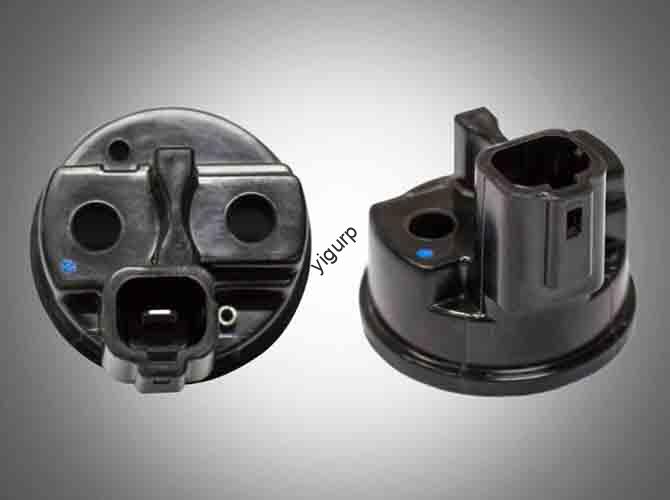
Quando si tratta di 3D printing materials, polipropilene (PP) sta rapidamente salendo verso l'alto. Ma perché questo materiale sta diventando il preferito di ingegneri e produttori?? Analizziamo i suoi tratti principali, vantaggi dell'applicazione, e come sta trasformando le industrie.
1. Core Material Characteristics of 3D Printing PP
PP isn’t just another 3D printing material—it stands out for its unique physical and chemical properties. The table below summarizes its most important features:
| Caratteristica | Descrizione | Industry Relevance |
| Bassa densità & Alta resistenza | Density as low as 0.90 g/cm³, yet strong enough to meet most industrial loads. | Ideal for lightweight parts (per esempio., staffe automobilistiche, dispositivi medici). |
| Strong Chemical Resistance | Resiste agli acidi, alcali, and many organic solvents without degradation. | Critical for chemical storage components and medical tools. |
| Excellent Fatigue Resistance | Maintains performance even after 10,000+ cicli di stress. | Perfect for high-frequency use parts (per esempio., cerniere, valvole). |
2. Application Advantages of 3D Printing PP
Rispetto alla produzione tradizionale (come lo stampaggio ad iniezione) and other 3D printing materials (come PLA o ABS), 3D printing PP offers three unbeatable benefits:
2.1 Manufacture Complex, Parti personalizzate
PP has great fluidity during printing—meaning it can fill fine gaps and form intricate shapes easily. Per esempio:
- A medical device company used 3D printing PP to create custom orthopedic insoles. Each insole matches a patient’s foot shape (thanks to 3D scanning), and PP’s flexibility ensures comfort.
- An automotive supplier printed a PP airflow manifold with internal channels that would be impossible to make with injection molding.
2.2 Shorten R&D Cycles by 50%+
Traditional manufacturing requires mold creation, which can take 4–8 weeks. With 3D printing PP:
- Design a digital model (1–2 giorni).
- Print a physical prototype (4–24 hours).
- Test and iterate—no mold changes needed.
This speed lets teams launch products 2–3 times faster.
2.3 Cut Costs Across the Board
Where does the cost savings come from? Confrontiamo:
| Fattore di costo | Produzione tradizionale (Stampaggio ad iniezione) | 3D Stampa PP |
| Mold Costs | \(5,000–)50,000 per stampo | $0 (non sono necessari stampi) |
| Rifiuti materiali | 20–30% (scrap from trimming) | 5–10% (utilizza solo il materiale necessario) |
| Inventory Costs | Need to stock finished parts | Print on-demand (reduce stock levels) |
3. Why 3D Printing PP Beats Other Materials?
You might ask: “Why not use PLA or ABS instead?” Here’s a quick comparison:
- PLA is cheap but brittle and not heat-resistant.
- ABS is strong but releases toxic fumes and needs a heated enclosure.
- PP? È flessibile, resistente agli agenti chimici, and easy to print—no special equipment required. It’s like choosing a multi-tool over a single-purpose gadget.
4. La prospettiva della tecnologia Yigu
Alla tecnologia Yigu, we’ve seen 3D printing PP become a go-to for clients in medical, automobilistico, e beni di consumo. Il suo equilibrio di forza, peso leggero, and cost-efficiency aligns with modern manufacturing’s need for flexibility and sustainability. We often recommend PP for custom parts and rapid prototyping, as it helps clients turn ideas into products faster than ever. It’s not just a material—it’s a solution for faster, smarter production.
Domande frequenti
- Is 3D printing PP compatible with most 3D printers?
SÌ! Most FDM (Modellazione della deposizione fusa) printers work with PP filaments, though using a heated bed (50–60°C) helps prevent warping.
- Can 3D printed PP parts be recycled?
Assolutamente. Like regular PP, 3D printing PP scraps or old parts can be melted down and reused to make new filaments, supporting sustainability.
- What’s the typical lifespan of a 3D printed PP part?
It depends on usage, but PP’s fatigue resistance means parts can last 5–10 years in low-stress applications (per esempio., beni di consumo) and 2–5 years in high-stress uses (per esempio., parti automobilistiche).