
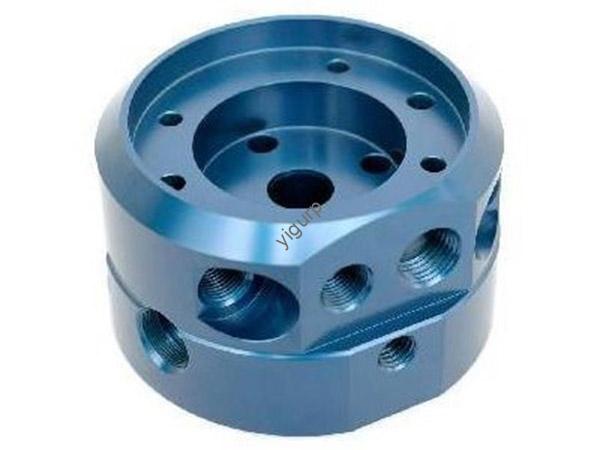
Se lavori nell'ingegneria elettrica, produzione, or construction, probabilmente ne hai sentito parlare 110 rame. Questa lega di rame puro è la scelta migliore per progetti che richiedono conduttività e formabilità eccellenti, ma che ne comprendano gli standard, proprietà, e gli usi migliori possono essere complicati. Questa guida analizza tutto ciò che devi sapere, con esempi del mondo reale e dati utilizzabili.
1. Alloy Designation & Global Standards for 110 Rame
110 copper isn’t just a random number—it’s defined by strict international standards. Knowing these designations ensures you pick the right material for compliance and performance.
- UNS Designation: The most common label is C11000 (ETP) Rame, where “ETP” stands for Electrolytic Tough Pitch. This grade has a minimum copper content of 99.95%, making it ideal for electrical applications.
- ASTM Standards: ASTM B152/B187 sets specs for 110 copper sheets, strips, and plates. For rods, MIL-C-12166 is the go-to military standard for high-reliability projects like aerospace wiring.
- International Equivalents:
- Europa: ISO Cu-ETP CW004A
- Giappone: JIS C1100 Rounded Copper (used widely in electronics manufacturing)
- Cina: GB/T 5231 T2 copper (a direct equivalent for electrical conductors)
- Requisiti chiave: Tutto 110 copper grades must meet RoHS compliance (nessuna sostanza pericolosa) and have an oxygen content < 0.04% (a critical ETP requirement to avoid brittleness).
Esempio: A solar panel manufacturer in Germany would specifyISO Cu-ETP CW004A for their PV ribbons, while a U.S.-based company would useC11000 incontrareASTM B152 standard.
2. Meccanico & Proprietà fisiche: Why 110 Copper Stands Out
110 copper’s properties make it versatile—from electrical conductors to heat sinks. Below is a clear breakdown of its key characteristics:
| Proprietà | Intervallo di valori | Real-World Impact |
|---|---|---|
| Resistenza alla trazione | 210–250 MPa | Can withstand stress in busbars without breaking |
| Conduttività elettrica | 45–50 % SIGC | Transmits electricity efficiently (only slightly less than pure copper) |
| Conducibilità termica | 385–400 W m⁻¹ K⁻¹ | Dissipates heat fast—perfect for heat-sink fins |
| Durezza | 70–90 HRB | Soft enough for bending, hard enough for durability |
| Allungamento | 35–55 % In 50 mm | Bends easily into shapes like architectural gutters |
| Densità | 8.89 g cm⁻³ | Heavy enough for stable lightning protection cables |
| Punto di fusione | 1083 °C | Withstands high temperatures in motor windings |
Esempio: A transformer maker uses 110 copper for windings because its45–50 % Conduttività IACS minimizes energy loss, e il suo1083 °C melting point resists overheating.
3. Fabrication Processes for 110 Rame
Lavorare con 110 copper requires knowing its limits—here’s how to shape it effectively:
- Cold Forming: 110 copper handles cold bending well, but follow bending radius guidelines (1–2× thickness) per evitare fessurazioni. Per esempio, a 2mm thick C11000 sheet needs a 2–4mm radius.
- Ricottura: To soften the metal after cold working, utilizzare un annealing temperature of 370–650 °C. A manufacturer making deep-drawn electrical enclosures would anneal 110 copper at 500 °C to improve ductility.
- Lavorabilità: Con a machinability rating of 20 % (contro. 100% for free-cutting brass), 110 copper is slow to machine. Use sharp tools and coolants to prevent overheating.
- Special Processes:
- Deep-drawing: Ideal for making cups or connectors (common in PCB manufacturing).
- Spinning & hydroforming: Feasible for creating curved parts like waveguide components.
- Sollievo dallo stress: Use heat treatment cycles (per esempio., 200 °C per 1 ora) to reduce internal stress after welding.
Mancia: To preventhydrogen embrittlement, avoid heating 110 copper in hydrogen-rich environments—this can cause the metal to crack.
4. Saldatura, Brazing & Unirsi 110 Rame
Unirsi 110 copper requires careful temperature control and the right materials. Here’s what works:
- GTAW (TIG) Saldatura: The most reliable method for 110 rame. Per sezioni spesse (over 6mm), utilizzare un preheat of 200–540 °C to ensure full fusion.
- Filler Metals: Utilizzo silicon-bronze ERCuSi-A for TIG welding—it bonds well and maintains conductivity.
- Brazing: Scegliere phosphorus-deoxidized brazing alloys per evitare l'ossidazione. A refrigeration technician might braze 110 copper tubes with these alloys for leak-free joints.
- Altri metodi:
- Electron Beam Welding (EBW): Works for precision parts like vacuum chamber gaskets.
- Resistance Spot Welding: Requires high current density (10,000–15,000 A/mm²) for strong joints in automotive components.
Important: Dopo la saldatura, testjoint conductivity—a drop of more than 5% IACS means the joint needs rework.
5. Trattamenti superficiali & Coatings for 110 Rame
Protect 110 copper from tarnish and improve its performance with these treatments:
- Tin Plating: Aumenta solderability—used for PCB foil to ensure easy soldering of components.
- Silver Plating: Mantiene alta conduttività for RF shielding gaskets in telecom equipment.
- Nickel Underlayer: Acts as a corrosion barrier per 110 copper parts in marine environments.
- Chemical Treatments:
- Benzotriazole (BTA) Dip: Prevents oxidation—applied to coinage stock to keep it shiny.
- Elettrolucidatura: Creates an ultra-smooth finish (Ra < 0.1 µm) for vacuum chamber parts.
- Decorative Finishes: Hot black oxide is used for architectural accents like flashing to match dark building exteriors.
Esempio: A jewelry maker useselettrolucidatura on 110 copper medallions to achieve a mirror-like shine (Ra < 0.1 µm).
6. Top Applications & Markets for 110 Rame
110 copper’s mix of conductivity, formabilità, and compliance makes it essential in these industries:
- Elettrico:
- Busbar & electrical conductor strips: Transmit power in factories and data centers.
- PCB foil: Connects components on circuit boards.
- Solar PV ribbon interconnects: Links solar cells in panels.
- Elettronica:
- Waveguide & RF shielding gaskets: Block interference in 5G equipment.
- Transformer & avvolgimenti del motore: Efficiently transfer energy.
- Costruzione:
- Lightning protection cables: Safely channel lightning to the ground.
- Architectural flashing & grondaie: Resist corrosion and look sleek.
- Specialità:
- Heat-sink fins & piastre di base: Cool CPUs and power supplies.
- Vacuum chamber gaskets: Maintain airtight seals in scientific equipment.
- Coinage & medallion stock: Durable and easy to engrave.
La prospettiva di Yigu Technology su 110 Rame
Alla tecnologia Yigu, we’ve seen 110 copper become a staple in our electrical component projects. SuoC11000 (ETP) designation ensures consistency across global orders, e il suo45–50 % Conduttività IACS meets our clients’ efficiency needs. Consigliamo spessotin-plated 110 rame for PCB applications, as it balances solderability and cost. Per clienti in ambienti difficili, we pair 110 copper with anickel underlayer to prevent corrosion. Complessivamente, 110 copper’s versatility makes it a reliable choice for both standard and custom projects.
FAQ About 110 Rame
- What’s the difference between 110 rame (C11000) and pure copper?
Pure copper has slightly higher conductivity (≈58% IACS), Ma 110 rame (C11000) is more affordable and still offers excellent performance (45–50% IACS). 110 copper also has better formability for bending and welding. - Potere 110 copper be used outdoors?
Yes—with the right coating. UN nickel underlayer O chromate conversion coating (Alodine) protects it from rain and humidity. Many builders use coated 110 copper for outdoor gutters and flashing. - È 110 copper RoHS-compliant?
Most grades are, but always check the supplier’s documentation. Reputable manufacturers produce RoHS-compliant 110 rame that meets global environmental standards (no lead, mercurio, or other hazardous substances).