
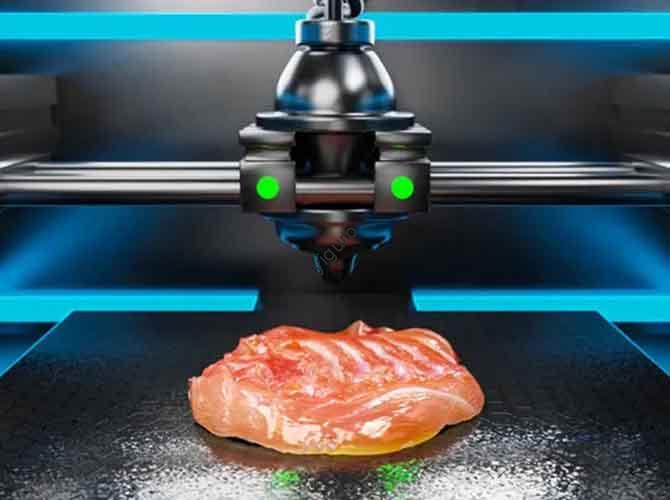
Types of prototypes refer to the classification of physical models based on production processes, matériels, fonctions, et utilisations : chaque type répond à des objectifs uniques dans le développement de produits, de la vérification de l'apparence au test de faisabilité de la production en série. Choisir le bon type de prototype est essentiel pour réduire les coûts de développement, accélération des cycles d'itération, et assurer l'alignement avec les objectifs du produit final. This article systematically breaks down the core categories of prototypes, their characteristics, applicable scenarios, and selection guidelines to help teams make informed decisions.
1. Classification by Production Process
Prototypes differ significantly in precision, coût, and lead time based on how they are manufactured. This classification is the most common starting point for prototype selection.
| Prototype Type | Core Characteristics | Step-by-Step Production Flow | Applicable Scenarios | Avantages clés |
| 3D Printing Prototype | – Convient pour complex curved surfaces et structures creuses (par ex., internal cavities of a smartphone case).- Matériels: PLA, ABS, résine, nylon (supports personalized customization).- Coût: Faible (≈\(5–)50 per unit for small batches).- Délai de mise en œuvre: Rapide (4–24 hours per part). | 1. Export 3D CAD models to STL format.2. Optimize settings: Épaisseur de couche (0.1–0,2 mm), infill (10–30%).3. Print with FDM (PLA/ABS) ou SLA (résine).4. Remove supports and sand surface lines. | – Electronique grand public (earbud shells, smartwatch frames).- Jouets (action figure prototypes with intricate details).- Artworks and medical models (anatomical replicas). | – No mold required (low upfront investment).- Ideal for rapid iteration (1–10 unités).- Capture les moindres détails (par ex., 0.5mm-thick texture patterns). |
| CNC Machining Prototype | – Ultra-haute précision (tolérance: ±0,05 mm) and smooth surface finish (Ra 1.6–3.2μm).- Matériels: Mostly metals (alliage d'aluminium, cuivre) or rigid plastics (POM, acrylique).- Coût: Medium to high (≈\(20–)200 par unité).- Délai de mise en œuvre: 1–3 days per part. | 1. Convert 3D models to G-code (using Mastercam or UG).2. Secure material blocks (metal/plastic) to the CNC machine bed.3. Machine with optimized toolpaths (cutting depth: 0.1–0.5mm per pass).4. Sand or polish to remove tool marks. | – Mechanical parts (engrenages, shafts for industrial equipment).- Auto parts (aluminum alloy brackets, boîtiers de capteurs).- Electronique haut de gamme (precision connectors for laptops). | – Durable for functional testing (par ex., load-bearing of a drone frame).- Matches mass production material properties (critical for performance validation). |
| Silicone Duplicate Prototype | – Based on a master mold (3D-printed or CNC-machined) for replication.- Matériels: PU resin, époxy, soft glue (TPU) (simulates rubber or plastic textures).- Capacité du lot: Jusqu'à 50 unités (cost-effective for small-batch trials).- Délai de mise en œuvre: 3–5 jours (y compris la fabrication de moules). | 1. Make a high-quality master prototype (par ex., CNC-machined acrylic).2. Pour liquid silicone (viscosity 500–2000 cP) around the master to create a mold.3. Cure the mold at 25–80°C for 4–24 hours.4. Inject PU resin/epoxy into the mold and demold after curing. | – Soft parts (porte-clés, TPU mobile phone cases).- Small-batch trial production (par ex., 20 units of a toy car shell).- Parts requiring uniform texture (par ex., rubber grips for tools). | – Faible coût unitaire (≈\(3–)15 per copy).- Preserves master details (no loss of texture or dimension). |
| Handmade Prototype | – High flexibility for artistic or special materials (bois, clay, oil clay).- Relies on technician experience (skill-dependent quality).- Coût: Faible (no equipment fees, but labor-intensive).- Délai de mise en œuvre: Lent (1–7 days per part). | 1. Select materials (par ex., clay for sculpting, wood for carving).2. Shape manually with tools (carving knives, papier de verre, moules).3. Finish with paint or polish (si nécessaire). | – Sculptures and film/television props (par ex., a fantasy movie’s wooden weapon).- Modèles conceptuels (early-stage design sketches turned physical).- Artisanal products (hand-carved wooden toys). | – No specialized equipment required.- Easy to modify on the spot (par ex., adjusting a clay model’s shape). |
2. Classification by Material
The material of a prototype directly impacts its strength, apparence, and functionality—this classification is critical for matching prototype performance to final product requirements.
| Prototype Type | Material Examples | Core Features | Applicable Scenarios | Limites |
| Plastic Prototype | ABS, PC, POM, acrylique, PLA | – Léger (densité: 0.9–1.2 g/cm³) and easy to process.- Supports surface treatments (spraying, galvanoplastie, silk screening).- Coût: Faible à moyen (≈\(5–)50 par unité). | – Most consumer products (plastic toy shells, PC laptop housings).- Parts requiring corrosion resistance (acrylic display cases).- Non-load-bearing components (ABS phone stand). | – Lower strength than metal (not suitable for heavy-load testing).- Some plastics (PLA) deform at high temperatures (>60°C). |
| Metal Prototype | Alliage d'aluminium (6061, 7075), acier inoxydable (304, 316), cuivre | – Haute résistance (aluminum alloy tensile strength: 200–300 MPa) and good texture.- Excellent heat and corrosion resistance (stainless steel for outdoor parts).- Coût: Haut (≈\(50–)300 par unité). | – Load-bearing components (automotive suspension brackets).- Precision equipment (copper connectors for electronics).- Pièces de machines industrielles (stainless steel gears). | – Lourd (densité: 2.7–8.9 g/cm³) — not ideal for portable products.- Long production time (CNC machining requires complex toolpaths). |
| Soft Rubber Prototype | TPU, silicone, soft PVC | – Flexible (Shore A hardness: 20–50) and non-slip.- Good elasticity (recovers shape after compression).- Coût: Moyen (≈\(10–)60 par unité). | – Poignées (poignées d'outils, bike handlebars).- Sealing rings (waterproof gaskets for smartwatches).- Soft toy parts (silicone doll limbs, TPU toy wheels). | – Low rigidity — not suitable for structural components.- May degrade over time (exposed to sunlight or oil). |
| Resin Prototype | Résine époxy, polyurethane resin | – Transparent or translucent (transmission de la lumière: 80–90% for clear resin).- Surface lisse (no post-processing needed for SLA-printed resin).- Coût: Moyen (≈\(15–)80 par unité). | – Imitation glass/crystal products (resin lamp shades, vitrines).- Medical models (transparent anatomical replicas).- High-gloss decorative parts (resin toy eyes, prototypes de bijoux). | – Fragile (prone to cracking under impact).- Some resins are not heat-resistant (>80°C may warp). |
3. Classification by Function
Prototypes are designed to validate specific aspects of a product—this classification ensures alignment with development goals (par ex., appearance vs. fonctionnalité).
| Prototype Type | Core Objective | Key Characteristics | Applicable Scenarios | Validation Methods |
| Appearance Prototype | Vérifier forme, couleur, texture, and assembly effect (no focus on internal structure). | – Focus on surface treatment (spraying, galvanoplastie, sablage).- Internal structure can be simplified (par ex., hollowed-out to reduce cost).- Low precision for non-visible dimensions (tolérance: ±0,5 mm). | – Electronique grand public (smartphone back covers, tablet shells).- Pièces extérieures automobiles (headlight casings, bumper prototypes).- Home appliance panels (refrigerator door fronts, washing machine control panels). | – Inspection visuelle (check color uniformity, texture consistency).- Stakeholder feedback (par ex., “Does the texture match brand guidelines?»). |
| Structural Prototype | Test logique d'assemblage, mobility, and structural stability (par ex., folding, rotating). | – Exact dimensions required (tolérance: ±0,1mm) to simulate mass production. | – Robots (joint mobility, arm folding structure). | – Assembly testing (check if parts fit without force, no interference). |
| – May include simple mechanical structures (charnières, buckles) but no electronic components. | – Dispositifs médicaux (adjustable wheelchair armrests, poignées d'outils chirurgicaux).- Household products (folding chairs, detachable storage boxes). | – Mobility testing (par ex., fold a chair 100 times to check for looseness).- Load testing (apply weight to verify structural strength). | ||
| Functional Prototype | Validate the core functions of the product (circuitry, hydraulics, optique). | – Integrated with electronic modules, capteurs, or mechanical systems.- Close to the finished product form (internal structure and external appearance are complete).- High precision for functional components (tolérance: ±0,05 mm). | – Intelligent hardware (smart speakers with voice recognition, wearable fitness trackers).- Équipement industriel (hydraulic valve prototypes, optical lens holders).- Scientific research instruments (sensor prototypes for environmental monitoring). | – Functional testing (par ex., “Does the sensor detect temperature accurately?»).- Environmental testing (simulate high/low temperatures, humidity to check function stability). |
4. Classification by Use
This classification focuses on the prototype’s role in the product development lifecycle—from early design to pre-mass production.
| Prototype Type | Core Function | Principales fonctionnalités | Applicable Stages |
| Design Verification Prototype | Confirmer appearance design, size ratio, and human-computer interaction. | – Production rapide (3D printing or handmade).- Faible coût (simplified structure).- Easy to modify (supports iterative design). | Early design stage (after 2D drawings, before structural finalization). |
| Assembly Verification Prototype | Test fit between parts, screw hole position, and buckle structure. | – Parts are split to simulate mass production assembly process.- No need for surface treatment (focus on fit, not appearance). | Mid-development stage (after structural design, before functional testing). |
| Mass Production Test Prototype | Validate production process feasibility (moulage par injection, estampillage) and material stability. | – Uses the same materials and processes as mass production.- Haute précision (matches mass production standards).- Batch production possible (10–50 unités) to test process consistency. | Late development stage (before opening mass production molds). |
5. Special Types of Prototypes
These prototypes are designed for unique scenarios (par ex., transparence, résistance aux hautes températures) and address niche product requirements.
| Prototype Type | Matériels | Core Features | Applicable Scenarios |
| Transparent Prototype | Acrylique, PC, clear resin | – High light transmittance (acrylique: 92%, PC: 89%).- Supports polishing to enhance clarity (no cloudiness). | – Lamps (acrylic lamp shades, resin light guides).- Display frames (transparent phone cases, museum exhibit holders).- Dispositifs médicaux (transparent IV fluid containers, poignées d'instruments chirurgicaux). |
| High-Temperature Resistant Prototype | Pennsylvanie (Nylon), PPA, métal (acier inoxydable, alliage de titane) | – Résiste aux températures élevées (Pennsylvanie: 150–200°C, métal: 500°C+).- No deformation or performance loss in high-heat environments. | – Pièces de moteur automobile (carters d'huile, couvercles de soupapes).- Industrial ovens (high-temperature sensor housings).- Composants aérospatiaux (small satellite parts). |
| Simulation Prototype | Silicone, foam material, soft rubber | – Simulates soft touch (par ex., human skin, foam cushions).- Flexible and compressible (mimics real-world tactile feedback). | – Jouets (silicone doll skin, foam puzzle mats).- Medical models (silicone human organ replicas for training).- Produits de consommation (foam ear tips for headphones, soft rubber grips). |
6. How to Choose the Right Type of Prototype?
Use this step-by-step guide to select the optimal prototype based on your goals, budget, et chronologie.
6.1 By Development Goal
| But | Recommended Prototype Type | Exemple |
| Appearance Validation | 3D printing prototype (résine) + spraying/electroplating. | A resin smartphone back cover prototype sprayed with matte black paint to test color. |
| Structural Stability Testing | CNC machining prototype (metal/plastic) + assembly testing. | A CNC-machined aluminum alloy drone frame to test load-bearing capacity. |
| Small-Batch Trial Production | Silicone duplicate prototype (PU resin). | 30 PU resin toy car shells replicated from a 3D-printed master. |
6.2 By Budget
| Budget Range | Recommended Prototype Type | Reason |
| Faible (\(5–)50) | 3D printing prototype (PLA/ABS) or handmade prototype. | No mold fees and low material costs. |
| Moyen (\(50–)200) | CNC machining prototype (plastique) or silicone duplicate prototype. | Balances precision and cost for functional testing. |
| Haut ($200+) | CNC machining prototype (métal) or mass production test prototype. | Ensures compatibility with mass production processes (par ex., moulage par injection). |
6.3 By Timeline
| Chronologie | Recommended Prototype Type | Délai de mise en œuvre |
| Urgent (1–2 jours) | 3D printing prototype (FDM/SLA). | 4–24 hours per part. |
| Normal (3–7 jours) | Silicone duplicate prototype or CNC machining prototype (plastique). | 3–5 jours (silicone) or 1–3 days (CNC plastic). |
| No Rush (1–2 semaines) | CNC machining prototype (métal) or mass production test prototype. | 5–10 jours (CNC metal) or 7–14 days (mass production test). |
Yigu Technology’s Perspective
Chez Yigu Technologie, we see choosing the right type of prototype as a “cost-saving catalyst” for product development. Too many clients waste resources on over-precise prototypes (par ex., CNC metal for appearance testing) or underperform ones (par ex., 3D-printed PLA for high-temperature parts). Our approach: We first clarify the client’s core goal—Is it appearance, fonction, or mass production feasibility? Par exemple, a startup needing 5 action figure prototypes in 3 days gets 3D-printed resin prototypes (rapide, détaillé), while an auto parts maker validating engine components gets high-temperature resistant PA prototypes. We also prioritize material-process matching—e.g., using silicone duplicates for soft parts to avoid CNC’s rigidity. By aligning prototype type with goals, we help clients cut rework costs by 40% and speed up development by 30%.
FAQ
- Can I use a 3D printing prototype for mass production feasibility testing?
No—3D printing prototypes use different processes (layer-by-layer deposition) than mass production (moulage par injection, estampillage), so they can’t validate mold compatibility or process stability. For mass production testing, use a prototype made with the same process as final production (par ex., injection-molded plastic prototypes).
- What’s the best prototype type for a transparent product (par ex., a clear lamp shade)?
Choose a transparent prototype made from acrylic, PC, or clear resin. For early appearance testing, use 3D-printed clear resin (rapide, faible coût). For functional testing (par ex., transmission de la lumière), use CNC-machined acrylic (higher precision and better material stability).
- Is a handmade prototype suitable for functional testing?
Rarely—handmade prototypes rely on technician skill, so their dimensions and structure are inconsistent (tolérance: ±1–5mm). They are best for early concept verification (par ex., a clay model of a toy) but not for functional tests (par ex., checking if a hinge rotates smoothly). For functional testing, use 3D-printed or CNC-machined prototypes.