
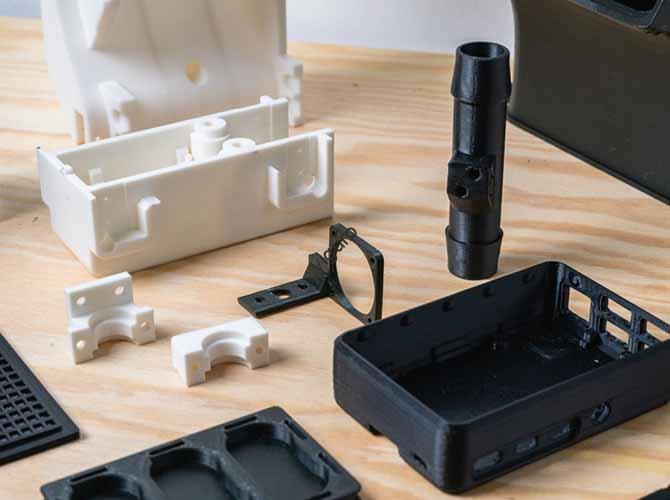
Silicone soft molds are versatile tools used in prototype production, artisanat, et fabrication industrielle, appréciés pour leur flexibilité, capacité de conservation des détails, et compatibilité avec divers matériaux de moulage (par ex., résine, polyuréthane). Cependant, choisir le bon type et maîtriser les processus de durcissement sont essentiels pour éviter les défauts tels qu'un durcissement incomplet ou une faible durabilité. This article breaks down silicone soft mold types, curing technologies, facteurs d'influence clés, and practical applications—with clear comparisons and tips to help you optimize mold performance.
1. Types of Silicone Soft Molds: Match to Your Needs
Silicone soft molds are categorized by curing temperature and functional requirements. Each type has unique traits suited to specific scenarios.
| Mold Type | Curing Temperature Range | Core Characteristics | Applications idéales |
| Room-Temperature Curing (RTV) | 20°C–25°C | – No heating equipment needed; simple to operate.- Longer curing time (12–24 hours, varies by thickness/humidity).- Gentle on temperature-sensitive materials (par ex., cire, certain plastics). | Small-batch crafts (jewelry wax models), small prototype replication (par ex., TV remote button panels), instructional demonstrations, and low-volume art pieces. |
| Heating-Curing (HTV) | 60°C–120°C | – Heating accelerates curing (1–3 heures), shortening production cycles.- Enhances physical properties: higher hardness, better abrasion/tear resistance.- Requires thermostatic ovens or heating tools. | Industrial-grade production (pièces automobiles, electronic device shells like TV back covers), high-frequency mold use (par ex., 50+ casting cycles), and molds needing fast turnaround. |
| Low-Temperature Fast-Curing | 0°C–10°C (refrigeration required) | – Cures quickly in cold environments (several hours to 10+ heures).- Resists low-temperature brittleness. | Cold-region manufacturing, emergency mold repairs (par ex., fixing a damaged TV prototype mold), and projects where room-temperature curing is impractical. |
| High-Temperature Resistant | 80°C–120°C (guérir); 200°C–300°C (service temperature) | – Cures like standard heating-curing molds but retains performance at extreme high temperatures.- Excellente stabilité thermique; no deformation under prolonged high heat. | Composants aérospatiaux, pièces de moteur automobile (par ex., heat-resistant gaskets), and high-temperature casting (par ex., metal-alloy prototypes). |
Key Comparison: For TV prototype production—if you need to replicate small, pièces détaillées (par ex., interface panels) without damaging the master model, choose RTV. For industrial-scale TV back cover mold replication (100+ unités), HTV is better for speed and durability.
2. Processus de durcissement: Step-by-Step Optimization
Proper curing operation directly impacts mold quality. Below is a linear guide to RTV and HTV curing—with critical do’s and don’ts.
2.1 Room-Temperature Curing (RTV) Processus
- Préparation: Ensure the work area is dry and ventilated (humidité <60%)—excess moisture causes incomplete curing (mold remains sticky).
- Mixing: Stir silicone base and catalyst (ratio 10:1, per manufacturer instructions) slowly to avoid air bubbles.
- Verser: Pour the mixture over the master model (par ex., a TV button prototype) in a thin, steady stream to minimize bubble formation.
- Guérison: Let stand at 20°C–25°C for 12–24 hours. For thick molds (>5mm), extend curing time by 6–8 hours to ensure full hardening.
- Démoulage: Only remove the master model once the mold is fully cured—premature demolding leads to deformation (par ex., a TV interface mold losing slot details).
2.2 Heating-Curing (HTV) Processus
- Préparation: Utilisez un thermostatic oven (temperature accuracy ±2°C) to avoid local overheating.
- Mixing: Same as RTV, but use HTV-specific silicone (résistance à la chaleur plus élevée).
- Verser: Fill the mold frame and tap gently to release air bubbles.
- Staged Heating:
- Preheat at 60°C for 30 minutes (evaporates residual moisture).
- Gradually raise to target temperature (par ex., 80°C for TV frame molds) and hold for 1–2 hours.
- Avoid rapid temperature spikes (causes mold cracking).
- Refroidissement & Démoulage: Let the mold cool to 40°C–50°C before demolding—cold molds are brittle and prone to breakage.
3. Factors Affecting Silicone Soft Mold Curing
Four key factors determine curing quality—ignoring them can lead to weak molds or production delays.
| Facteur | How It Impacts Curing | Practical Tips to Mitigate Risks |
| Silicone Brand/Model | Formulas vary by manufacturer (par ex., Dow Corning, Wacker, local brands). RTV vs. HTV silicones have different catalyst ratios and temperature sensitivities. | – Always follow the manufacturer’s manual (par ex., a Wacker HTV silicone may require 90°C instead of 60°C).- Test a small sample first if using a new brand. |
| Mold Size & Thickness | Thicker molds (>5mm) trap heat, requiring higher temperatures or longer curing times. Petit, thin molds (<2mm) cure faster but are prone to under-hardening. | – For thick molds (par ex., a 10mm TV base mold): Increase HTV curing time by 30 minutes or raise temperature by 10°C.- For thin molds: Use a humidity-controlled room for RTV to avoid uneven curing. |
| Auxiliary Additives | Catalysts speed up curing (but excess causes brittleness); diluents reduce viscosity (but overuse weakens mold strength); pigments may affect curing uniformity. | – Use additives at recommended ratios (par ex., 1% catalyst for RTV).- Avoid mixing multiple additives (par ex., catalyst + diluent) unless tested. |
| Environmental Conditions | – Humidity (>60% for RTV): Causes surface stickiness.- Airflow (insufficient for RTV): Slows curing.- Temperature fluctuations (for HTV): Leads to uneven hardening. | – Use dehumidifiers for RTV in humid areas.- Ensure HTV ovens have stable temperature control (no more than ±2°C variation). |
4. Practical Applications: From Crafts to Industry
Silicone soft molds excel in scenarios requiring detail retention and flexibility. Below are common use cases with TV prototype production examples.
4.1 Craft & Production en petits lots
- Jewelry Making: RTV molds replicate intricate wax models (par ex., sertissages de pierres précieuses) without damaging delicate details.
- Art & Decor: Low-temperature curing molds create resin sculptures with complex textures (par ex., marble patterns).
4.2 Prototype Manufacturing
- TV Prototype Parts:
- RTV molds replicate small TV components (par ex., remote control shells, button prototypes) with high detail accuracy (±0,1mm).
- HTV molds produce durable molds for TV back cover prototypes—supporting 50+ casting cycles with minimal wear.
- Électronique: Molds for smartphone cases, laptop keyboard caps, and other small electronic parts.
4.3 Industrial Production
- Automobile: HTV molds make rubber gaskets and plastic interior parts (par ex., composants du tableau de bord).
- Aérospatial: High-temperature resistant molds cast heat-resistant parts (par ex., joints moteur) that withstand 250°C+ environments.
5. Yigu Technology’s Perspective on Silicone Soft Molds
Chez Yigu Technologie, we’ve found that 80% of silicone mold issues stem from mismatched mold types or improper curing. For TV prototype clients, we often recommend RTV for initial small-batch tests (par ex., 5–10 interface panel replicas)—it’s cost-effective and gentle on 3D-printed master models. For clients scaling to 50+ TV prototype parts, we switch to HTV with staged heating (60°C preheat → 90°C cure) to boost mold durability. A recent case: a client using RTV for TV frame molds faced frequent tearing after 10 cycles—switching to HTV extended mold life to 60+ cycles, cutting rework costs by 40%. Our key advice: Prioritize understanding your project’s volume, temperature needs, and detail requirements—this ensures you pick the right mold type and avoid unnecessary delays.
6. FAQ: Common Questions About Silicone Soft Molds
Q1: Why is my room-temperature curing silicone mold still sticky after 24 heures?
A1: This is usually caused by high humidity (>60%) or incomplete mixing (uneven catalyst distribution). Correctifs: Move the mold to a dry, ventilated area (use a dehumidifier) for 6–8 more hours; if mixing was the issue, re-mix a new batch with precise catalyst ratios (follow the manual).
Q2: Can I use a heating-curing silicone mold for temperature-sensitive master models (par ex., wax TV prototypes)?
A2: No—HTV’s curing temperature (60°C–120°C) will melt or deform wax, plastique, or other heat-sensitive materials. Use RTV instead—it cures at room temperature and won’t damage the master model.
Q3: How can I extend the lifespan of my silicone soft mold?
A3: – For HTV molds: Avoid exceeding their service temperature (par ex., don’t use a standard HTV mold for 200°C applications).- Clean molds with mild soap and water after each use (avoid harsh solvents that break down silicone).- Store molds in a cool, dry place (away from direct sunlight) to prevent aging and brittleness.