
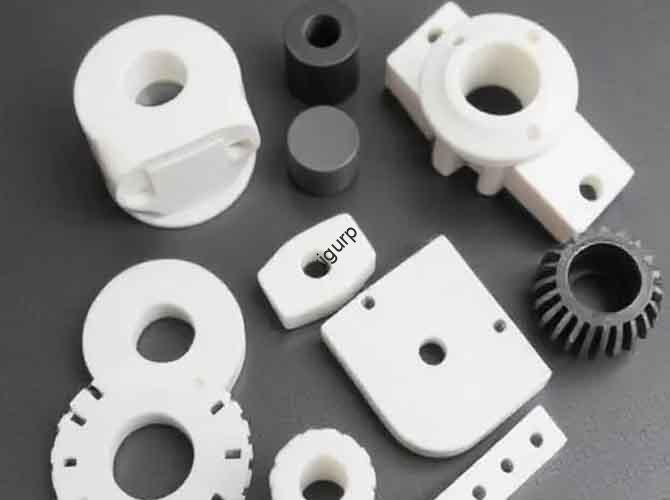
If you’re wondering whether injection molding in Russia is a viable option for your manufacturing needs—whether you’re a local business, une entreprise internationale qui cherche à se développer, ou un fournisseur à la recherche de partenaires : la réponse courte est: Oui, mais le succès dépend de la compréhension des atouts uniques du marché, défis, et changements récents. Russia’s injection molding sector has grown steadily over the past decade, driven by domestic demand in industries like automotive, conditionnement, et électronique, and it’s adapting quickly to global changes. Ci-dessous, we’ll break down everything you need to know to make informed decisions.
Current State of the Injection Molding Industry in Russia
Le Russian injection molding market is a mix of established local players and growing capacity, with a focus on serving domestic demand first. Dès 2024, industry reports estimate the market size at approximately $1.2 billion, with an annual growth rate of 3-4% since 2020. This growth is fueled by two key factors:
- Domestic Production Shifts: Après 2022, many international companies reduced their presence in Russia, creating gaps that local injection molders have stepped up to fill—especially in automotive and consumer goods.
- Government Support: The Russian government has launched initiatives like the “Import Substitution Program,” which offers tax breaks and grants to manufacturers (including injection molders) that replace imported products with local alternatives.
A key trend here is the move toward specialized injection molding (par ex., plastiques de qualité médicale, résines haute température) rather than just commodity production. Par exemple, Moscow-based firm PlastTek expanded its medical molding line in 2023 produire 500,000 plastic syringes monthly, à partir de 200,000 dans 2021, to meet local healthcare demand.
Key Industries Driving Injection Molding Demand in Russia
Injection molding in Russia isn’t one-size-fits-all—it’s heavily tied to specific industries. Understanding which sectors are growing will help you target opportunities or choose the right partners. Here’s a breakdown of the top drivers:
1. Industrie automobile
The automotive sector is the largest consumer of injection molded parts in Russia, comptabilité 35-40% of total demand. Before 2022, most parts were imported, but now local molders are supplying components like bumpers, panneaux intérieurs, and engine parts to brands like Lada (AvtoVAZ) and UAZ.
- Étude de cas: AutoPlast Group (based in Togliatti, near AvtoVAZ’s main plant) invested $8 million in 2023 to add 10 new injection molding machines. This allowed them to increase production of plastic door panels by 60%, now supplying 70% of Lada’s Vesta model needs—up from 30% dans 2022.
2. Industrie de l'emballage
The packaging sector is the second-fastest growing, with demand for injection molded packaging (par ex., contenants alimentaires, pots cosmétiques, poubelles industrielles) rising 5% annuellement. This is driven by:
- Growth in e-commerce (needing durable packaging for shipping).
- Local food producers shifting from imported to Russian-made packaging to avoid supply chain delays.
3. Electronics and Medical Devices
While smaller than automotive or packaging, these sectors are high-value. Injection molding for electronics (par ex., coques de téléphone, gaines de câbles) is growing as local tech brands like Yandex and Xiaomi’s Russian partners expand. The medical sector, meanwhile, requires strict compliance with international standards (par ex., OIN 13485), and only a handful of Russian molders (comme MedPlast Moscow) currently meet these requirements—creating a gap for companies that can invest in quality control.
Challenges of Injection Molding in Russia (and How to Overcome Them)
While the market has potential, it’s not without hurdles. Below are the most common challenges and practical solutions:
| Défi | Description | Solution |
| Access to High-Quality Resins | Russia produces basic resins (par ex., polyéthylène, polypropylène) but relies on imports for specialty materials (par ex., high-temperature PEEK, PVC de qualité médicale). Import delays or tariffs can disrupt production. | Partner with local resin distributors that stock imported materials (par ex., ResinTech Russia) or source from nearby countries like Turkey or Kazakhstan for faster shipping. |
| Outdated Machinery | 40-50% of injection molding machines in Russia are over 15 ans, leading to lower efficiency and higher defect rates. | Look for molders that have invested in new equipment (par ex., machines from KraussMaffei or Haitian) or consider co-investing in upgrades if you have long-term contracts. |
| Skilled Labor Shortages | There’s a shortage of trained technicians and engineers specializing in modern injection molding (par ex., 3Moules imprimés en D, systèmes automatisés). | Work with molders that offer in-house training programs (comme PlastService St. Petersburg) or partner with local technical schools to sponsor internships. |
| Regulatory Complexity | Importing machinery or exporting molded parts requires navigating customs, tax, and compliance rules (par ex., GOST standards for plastics). | Hire a local logistics partner (par ex., TransGroup Logistics) to handle paperwork, or work with molders that have experience in international trade. |
How to Choose a Reliable Injection Molding Partner in Russia
Selecting the right molder is critical to avoiding delays or quality issues. Here’s a step-by-step checklist to guide you:
- Vérifier les certifications: Ensure the molder has relevant certifications for your industry—e.g., OIN 9001 (gestion de la qualité) pour les pièces générales, OIN 13485 pour dispositifs médicaux, or IATF 16949 pour pièces automobiles.
- Check Production Capacity: Ask for details on machine size (par ex., clamp force range), monthly output, and lead times. Par exemple, si tu as besoin 100,000 pièces mensuellement, un mouleur avec 5+ machines (not just 1 ou 2) is more reliable.
- Request Sample Parts and References: A reputable molder will provide free samples to test quality, and share contact info for 2-3 current clients. Follow up with references to ask about on-time delivery rates and defect rates.
- Evaluate Local Supply Chains: Choose a molder located near your target market or key suppliers. Par exemple, if you supply the automotive industry, molders in Togliatti (near AvtoVAZ) or Nizhny Novgorod (a major auto hub) will offer faster shipping.
Future Trends in Russian Injection Molding (2024-2030)
To stay ahead, it’s important to anticipate where the market is heading. Here are three key trends to watch:
1. Growth in Sustainable Injection Molding
Russia is increasing its focus on sustainability, with new regulations requiring plastic packaging to be 30% recyclable by 2026. This is driving demand for recycled resin injection molding and molders that can produce biodegradable parts. Par exemple, EcoPlast Kazan launched a line in 2023 en utilisant 50% recycled polyethylene to make food containers, and has already secured contracts with major grocery chains like Magnit.
2. Automation and Digitalization
To address labor shortages and improve efficiency, more Russian molders are adopting automated injection molding (par ex., robotic part removal, Contrôle qualité basé sur l'IA). PlastTech Moscow recently implemented AI cameras that detect defects in 0.5 seconds—reducing their defect rate from 2% à 0.5%.
3. Expansion of Export Markets
While domestic demand is strong, Russian molders are increasingly looking to export to nearby countries (par ex., Belarus, Kazakhstan, Armenia) where they can compete on price. The Eurasian Economic Union (EAEU) offers tariff-free trade between member states, making this a low-risk expansion path.
Yigu Technology’s Perspective on Injection Molding in Russia
Yigu Technology recognizes Russia as a high-potential market for injection molding, thanks to its growing domestic demand and government support for local manufacturing. Cependant, success requires a strategic approach: businesses should prioritize partnerships with molders that have modern equipment and experience in their industry, as this mitigates risks like outdated machinery or quality issues. We also see opportunities in sustainable injection molding—aligning with global trends and Russia’s new recyclability regulations. For companies entering the market, focusing on high-value sectors (par ex., dispositifs médicaux, électronique) can yield stronger margins, as these areas currently have fewer local competitors. Overall, Russia’s injection molding sector is evolving quickly, and businesses that adapt to its unique dynamics will find long-term success.
FAQ About Injection Molding in Russia
- Is it expensive to set up an injection molding facility in Russia?
Setup costs vary: a small facility with 3-5 machines can cost \(500,000-\)1 million, while a large automotive-focused plant may cost $10 million+. Cependant, government grants under the Import Substitution Program can cover 20-30% of costs for eligible projects.
- What are the typical lead times for injection molded parts in Russia?
Pour les pièces standards (par ex., conditionnement), les délais sont 2-4 semaines. Pour les pièces personnalisées (par ex., composants automobiles), les délais peuvent être 6-8 semaines (including mold design and testing).
- Do Russian molders use international quality standards?
Many do—especially those serving automotive or medical industries. Recherchez l'ISO 9001, IATF 16949, ou ISO 13485 certifications to ensure compliance with global standards.
- Can Russian molders export parts to the EU or US?
Oui, but it requires navigating trade regulations (par ex., EU customs duties, US export controls). Most Russian molders currently focus on EAEU or Middle Eastern markets, as these have fewer barriers.
- What’s the most in-demand injection molded product in Russia right now?
Pièces automobiles (par ex., panneaux intérieurs, pare-chocs) and sustainable packaging (par ex., recycled plastic containers) are the most in-demand, due to import substitution and sustainability trends.