
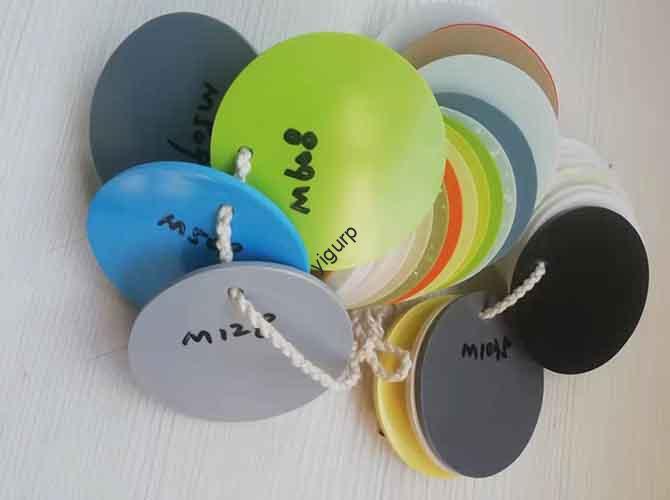
Silicone compounding and steel mold processes are two foundational technologies in mold manufacturing and product forming, chacun optimisé pour des besoins de production distincts - un pour une production rapide, production en petits lots à faible coût et l'autre pour la production de haute précision, fabrication de masse à long terme. Comprendre leurs différences est essentiel pour que les entreprises choisissent le bon outil, que ce soit pour le prototypage, produits personnalisés, ou production à l'échelle industrielle. Cet article décompose core differences between silicone compounding and steel mold processes across 6 key areas, plus practical guidance on when to use each.
1. Core Difference: Matériau du moule & Manufacturing Principle
The fundamental divide between the two processes lies in their mold materials and production methods—a contrast that defines every other aspect of their performance, from cost to lifespan.
| Processus | Matériau du moule | Manufacturing Principle | Simple Analogy |
| Silicone Compounding | Liquid silicone (par ex., RTV silicone) | Uses a prototype (3D-printed or CNC-machined model) to cast liquid silicone. Le silicone durcit à température ambiante (no high heat/pressure) pour former un moule flexible. | Making a jello mold: Pour liquid jello around a shape, let it set, then remove the shape to get a flexible mold. |
| Steel Mold Process | High-grade steel (par ex., P20, 718, S136) | Manufactured via precision machining (Fraisage CNC, GED) and high-temperature/pressure heat treatment. The steel is carved into a rigid mold with tight tolerances. | Carving a stone mold: Use specialized tools to shape hard stone into a durable, rigid mold that retains its form for years. |
2. Side-by-Side Comparison: Silicone Compounding vs. Steel Mold Process
To quickly evaluate which process fits your production needs, use this comprehensive table comparing their cost, temps de cycle, précision, et plus.
| Comparison Category | Silicone Compounding | Steel Mold Process | Clé à retenir |
| Coût du moule & Durée de vie | – Low initial cost: 1/10 the cost of steel molds (par ex., \(500–)5,000 contre. $10,000+).- Short lifespan: Produces 10–500 parts before wearing out. | – High initial cost: \(10,000–)100,000+ (depends on complexity).- Long lifespan: Produces 100,000–1,000,000+ parts (résistant à l'usure). | Silicone compounding saves upfront cost; steel molds are a long-term investment for mass production. |
| Production Cycle | – Fast mold making: 1–3 days to create a silicone mold.- Flexible iteration: Re-make molds quickly if designs change. | – Slow mold making: 2–8 semaines (involves machining, traitement thermique, and debugging).- Long lead time: Not ideal for urgent or frequently updated designs. | Silicone compounding is for rapid prototyping; steel molds suit stable, long-term production. |
| Précision & Qualité des surfaces | – Lower precision: Tolerances of ±0.1–0.5mm (due to silicone shrinkage/deformation).- Qualité des surfaces: Depends on the prototype—may have minor flaws (par ex., bulles). | – Haute précision: Tolerances of ±0.01mm (suitable for tight-fitting parts).- Superior surface finish: Can be machined to mirror or textured surfaces; no post-processing needed for most parts. | Steel molds deliver industrial-grade precision; silicone works for non-critical, low-tolerance parts. |
| Compatibilité des matériaux | – Limited to low-temperature/pressure materials: Résines, Unité centrale, cire, low-melting-point alloys (cannot handle high heat). | – Handles high-temperature/pressure materials: Plastiques techniques (ABS, PC), métaux (for die casting), and high-performance polymers. | Steel molds support industrial materials; silicone is for niche, low-heat applications. |
| Modification Flexibility | – Easy to modify: Re-cast a new silicone mold if design changes (frais \(500–)1,000). | – High modification cost: Requires re-machining steel (frais \(5,000–)20,000) and delays production. | Silicone compounding adapts to design tweaks; steel molds need final, fixed designs. |
| Applicable Scenarios | – Prototypage: Fast sample production for design testing.- Petits lots: Custom products (par ex., artisanal jewelry, limited-edition toys).- Formes complexes: Inverted cavities or deep undercuts (silicone’s flexibility enables easy demolding). | – Production de masse: Moulage par injection (plastic parts), moulage sous pression (composants métalliques).- Pièces de haute précision: Composants automobiles, boîtiers électroniques, medical devices.- Long-term orders: Stable products with no design changes (par ex., capsules de bouteilles, coques de téléphone). | Silicone serves small-batch/custom needs; steel dominates industrial mass production. |
3. When to Choose Silicone Compounding vs. Steel Mold Process? (Guide étape par étape)
Use this linear, question-driven process to align the process with your project goals:
Étape 1: Define Production Volume
- Petits lots (10–500 pièces) ou prototypage: Choisir silicone compounding. Par exemple, si tu as besoin 100 test samples of a new toy design, a silicone mold can deliver them in a week at low cost.
- Grands lots (10,000+ parties): Choisir steel mold process. Par exemple, fabrication 500,000 plastic water bottle caps requires a steel mold to keep per-part costs low.
Étape 2: Evaluate Precision & Besoins matériels
- Low-tolerance parts or low-heat materials: Utiliser silicone compounding. Examples include decorative resin crafts or wax casting for jewelry.
- High-precision parts or high-heat materials: Utiliser steel mold process. Examples include automotive engine components (needing tight fits) or PC plastic phone housings (needing high-temperature molding).
Étape 3: Consider Timeline & Design Iterations
- Urgent delivery or frequent design changes: Optez pour silicone compounding (1–3 jours pour les moules, easy rework).
- Stable designs or long-term production: Investir dans steel mold process (coût initial plus élevé, but no repeated mold replacements).
4. Yigu Technology’s Perspective on Silicone Compounding vs. Steel Mold Process
Chez Yigu Technologie, we recommend combining both processes for optimal efficiency—don’t choose one over the other prematurely. Many clients waste money by jumping straight to steel molds for untested designs; plutôt, utiliser silicone compounding first to validate prototypes (coupes 70% of upfront costs) and gather user feedback. Une fois la conception finalisée, transition to steel mold process pour la production de masse. For clients with mixed needs (par ex., 1,000 initial parts + potential mass scaling), we also offer “hybrid solutions”: Start with silicone for small batches, then reuse the final design data to speed up steel mold machining. This approach balances speed, coût, et qualité, ensuring every project meets its goals without unnecessary expenses.
FAQ: Common Questions About Silicone Compounding and Steel Mold Processes
- Q: Can silicone compounding be used for high-precision parts (par ex., composants de dispositifs médicaux)?
UN: Non. Silicone molds have tolerances of ±0.1–0.5mm, which is too loose for medical parts (needing ±0.01mm). Steel molds are required for high-precision, safety-critical components.
- Q: If I need 5,000 parties, should I use silicone compounding or a steel mold?
UN: It depends on cost per part. Silicone molds would require 10–15 molds (à \(500 each = \)5,000–(7,500) plus material costs. A steel mold (\)15,000) would have lower per-part costs—so for 5,000 parties, steel becomes cheaper in the long run.
- Q: Are silicone molds environmentally friendly compared to steel molds?
UN: Silicone molds are easier to dispose of (non-toxic when cured) but have short lifespans (more frequent replacements = more waste). Steel molds are recyclable but require high energy for manufacturing. For sustainability, steel is better for long-term use; silicone is better for short, projets à faible volume.