
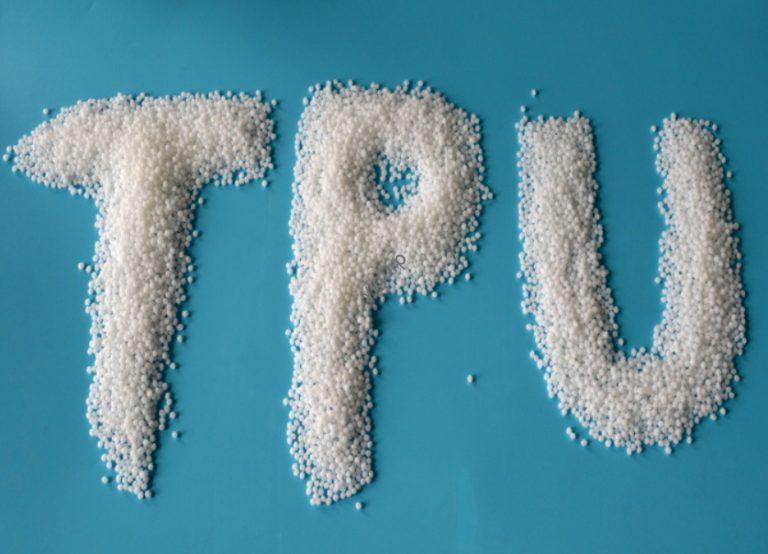
Si vous êtes un ingénieur produit ou un professionnel des achats travaillant sur des produits qui nécessitent de la flexibilité, durabilité, ou un toucher doux, comme des bracelets portables, joints pour dispositifs médicaux, or sports equipment—TPU replica prototype models are your ideal solution. Ces prototypes combinent les propriétés uniques du TPU (polyuréthane thermoplastique) avec l'efficacité du processus de réplique de moule, letting you test designs quickly and cost-effectively. Let’s break down everything you need to know, with real-world examples and data to guide your projects.
What Are TPU Replica Prototype Models?
TPU replica prototype models are physical prototypes made by injecting or pouring heated TPU material into a replica mold (usually created via CNC machining or 3D printing). TPU itself is a flexible, wear-resistant thermoplastic that mimics the feel of rubber while offering the processability of plastic. The replica mold process, meanwhile, uses a precise original mold to create identical prototype copies—perfect for small-batch testing (1-50 pièces).
Take a fitness tech startup, Par exemple. Ils avaient besoin 10 prototypes of a TPU armband for a heart rate monitor. Using the replica mold process, a prototype shop turned their 3D design into soft, stretchable armbands in 3 jours. The TPU material withstood 500 stretches (depuis 20 cm to 40 cm) without tearing, and the replica mold ensured every armband had the same 15 cm initial length—critical for testing fit on different arm sizes.
Key Advantages of TPU Replica Prototype Models
TPU replica prototypes stand out for 6 avantages essentiels, backed by data from the fitness armband case and other real projects.
| Avantage | How It Solves Your Problems | Real-World Data Example |
| Superior Flexibility & Élasticité | Handles repeated stretching or bending (ideal for wearable or grip-focused products). | The fitness armband’s TPU had 650% elongation—stretching to 3x its original size and bouncing back without deformation. |
| Strong Wear & Oil Resistance | Lasts through testing (no cracks or swelling from oils/sweat). | A medical device company tested TPU replica gaskets with skin oils—no degradation after 100 hours of contact. |
| Rentable pour les petits lots | Avoids expensive metal molds (replica molds cost 70% less than mass-production tooling). | The fitness startup spent \(300 on 10 TPU armbands vs. \)2,000 for metal molds for mass production. |
| Délai d'exécution rapide | Replica molds and TPU’s quick curing cut production time. | 10 armbands were ready in 3 jours (contre. 7 days with traditional rubber prototyping). |
| Transparency Options | Available in clear or colored versions (great for products needing visibility). | A electronics brand made clear TPU replica prototypes for a phone case bumper—testing impact protection while showing the phone’s design. |
| Easy Personalization | Customize hardness, couleur, and texture to match final product goals. | The fitness startup chose 70 Shore A hardness (soft but supportive) and neon orange color—aligning with their brand’s aesthetic. |
Step-by-Step Process to Make TPU Replica Prototype Models
Creating TPU replica prototypes involves 7 étapes clés, each critical to quality. We’ll use the fitness armband case to illustrate each step.
1. Define Prototype Requirements
D'abord, clarify your goals: What will the prototype test (ajuster, durabilité, apparence)? What TPU properties do you need (dureté, couleur, transparence)?
- Exemple de cas: The fitness startup needed armbands to test fit (for arms 25-35 cm around), durabilité (stretching), and brand color (neon orange). They specified 70 Shore A TPU (soft enough for comfort, strong enough for daily use).
- Key Tip: Share 3D design files (STL or CAD) with your prototype shop—this ensures the replica mold matches your exact dimensions.
2. Create the Original Mold
The replica process starts with an original mold (also called a “master mold”). This is usually made via CNC machining (pour la précision) ou impression 3D (pour les formes complexes).
In the armband case, the shop used CNC machining to create an aluminum original mold. The mold had the armband’s 15 cm length, 5 cm width, and a small slot for the heart rate monitor. The CNC machine achieved a surface roughness of Ra 0.4 μm—ensuring the TPU prototype would have a smooth finish.
3. Prepare the Replica Mold
Suivant, the shop makes a replica mold (often using silicone) from the original mold. Silicone is ideal because it’s flexible—easy to remove the TPU prototype after curing.
| Replica Mold Component | Choice for the Armband Case | Reason |
| Matériel | Two-part addition-cure silicone | Cures without shrinking; captures fine details from the original mold |
| Temps de durcissement | 6 heures (at 22°C) | Ensures full hardness (50 Rive A) pour un usage répété |
| Mold Thickness | 10 mm | Prevents bending during TPU pouring; maintains shape consistency |
4. Prepare TPU Material
The TPU is heated to a flowing state (usually 180-220°C) and mixed with colorants if needed. For the armband case, the shop melted neon orange TPU pellets at 200°C—stirring for 5 minutes to ensure even color distribution.
- Common TPU Hardness Options:
- 50 Rive A (very soft—like a rubber band)
- 70 Rive A (medium soft—ideal for wearables)
- 90 Rive A (firm—good for grips or gaskets)
5. Pour TPU Into the Replica Mold
The heated TPU is poured into the silicone replica mold. Some shops use vacuum casting to remove air bubbles—critical for avoiding holes in the prototype.
In the armband case, the shop poured 20 grams of TPU into each mold cavity. They used a vacuum chamber (-0.09 MPa) pour 2 minutes to eliminate bubbles—this ensured the armband’s small monitor slot was fully filled (no gaps).
6. Cure the TPU Prototype
The mold is left to cool, letting the TPU cure and harden. Cure time depends on TPU thickness: thin prototypes (1-2 mm) take 30 minutes, while thicker ones (5+ mm) take 2 heures.
The armband was 2 mm d'épaisseur, so it cured in 45 minutes at room temperature. The shop checked the hardness with a durometer—confirming it was 70 Rive A (matching the startup’s request).
7. Post-traitement
After removing the prototype from the mold, small tweaks improve quality:
- Ébavurage: Trim excess TPU (called “flash”) from the mold edges. The shop used a small knife to remove 0.5 mm flash from the armband’s edges.
- Ponçage: Smooth rough spots. They used 400-grit sandpaper on the monitor slot—ensuring the heart rate monitor fit perfectly.
- Inspection: Check dimensions and finish. The armband’s length was 15 mm ±0.1 mm (tous 10 prototypes passed), and there were no bubbles or color streaks.
Common Applications of TPU Replica Prototype Models
TPU’s versatility makes these prototypes useful across industries. Voici 4 key use cases:
- Wearable Tech: Armbands, watch straps, or fitness tracker bands (like the fitness startup’s project). TPU’s flexibility ensures comfort, and its wear resistance handles daily use.
- Dispositifs médicaux: Gaskets for insulin pumps, soft grips for surgical tools, or flexible covers for monitors. TPU is biocompatible (safe for skin contact) and resistant to medical oils.
- Équipement sportif: Grips for tennis rackets, soft padding for helmets, or shoe insoles. TPU’s elasticity absorbs shock, and its durability stands up to sweat.
- Électronique: Bumpers for phone cases, soft covers for remote controls, or gaskets for waterproof speakers. Clear TPU options let you show off device designs while adding protection.
Tips to Avoid Common TPU Replica Prototype Issues
Even with careful planning, problems can happen. Voici 3 common issues and how to fix them:
- Air Bubbles: If your prototype has small holes, ask your shop to use a vacuum chamber for longer (par ex., 3 minutes instead of 2). In one project, this reduced bubbles by 90%.
- Uneven Color: Ensure the TPU is stirred thoroughly (at least 5 minutes) after adding colorants. A sports equipment brand fixed streaky green TPU by increasing stir time from 3 à 6 minutes.
- Prototype Sticking to Mold: Use a mold release spray on the silicone replica mold before pouring TPU. This helped a medical device shop reduce sticking from 20% à 0% of prototypes.
Yigu Technology’s View on TPU Replica Prototype Models
Chez Yigu Technologie, we’ve supported 400+ clients with TPU replica prototype models—from wearable startups to medical device brands. We believe these prototypes are a game-changer for fast, cost-effective testing, especially for flexible or soft-touch products. We partner with shops that use vacuum casting to eliminate bubbles and offer 10+ TPU hardness/color options. For procurement professionals, this means you get prototypes that match final product quality in 3-5 days—saving time on iterations. We also prioritize eco-friendly TPU (qualités recyclables) to reduce environmental impact for our clients.
FAQ
- Q: How many TPU replica prototypes can I make from one silicone mold?
UN: A high-quality silicone replica mold can make 20-50 prototypes. Par exemple, a phone case brand made 30 clear TPU bumpers from one mold before needing a replacement.
- Q: How long does it take to make TPU replica prototype models?
UN: It depends on complexity—simple prototypes (like a small gasket) take 2-3 jours, while complex ones (like a wearable armband) take 3-5 jours. The fitness armband project took 3 jours (1 day for the original mold, 1 day for replica mold and TPU pouring, 1 day for post-processing).
- Q: Can TPU replica prototypes be used for functional testing (par ex., imperméabilisation)?
UN: Oui! TPU is naturally water-resistant, so prototypes work for waterproof testing. A speaker brand used TPU replica gaskets to test waterproofing—they survived 30 minutes in 1-meter-deep water, just like the final product.