
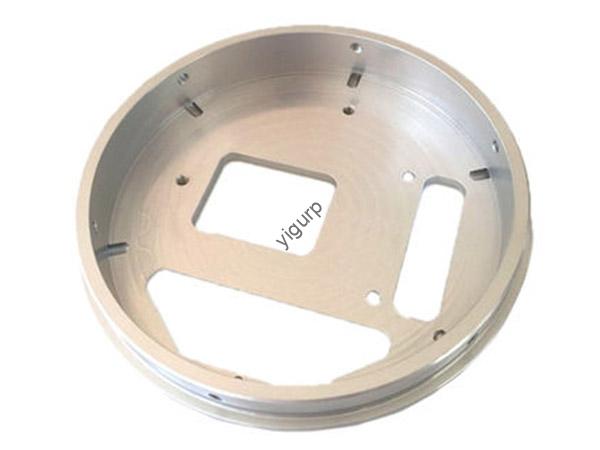
La structure en acier chirurgical est une spécialité, alliage de haute pureté conçu pour les applications critiques où la sécurité, durabilité, et la biocompatibilité ne sont pas négociables. Contrairement à l'acier inoxydable standard, its precise chemical composition—rich in corrosion-resistant elements and low in impurities—makes it ideal for surgical tools, implants, et autres utilisations sensibles. Dans ce guide, nous allons décomposer ses principales caractéristiques, applications du monde réel, procédés de fabrication, et comment il se compare à d'autres matériaux, helping you select it for projects that demand the highest standards.
1. Key Material Properties of Surgical Steel Structural
The reliability of surgical steel structural starts with its carefully engineered chemical composition, which shapes its exceptional propriétés mécaniques, fiable physical properties, and other critical characteristics.
Chemical Composition
Surgical steel structural’s formula is optimized for biocompatibility and corrosion resistance, with key elements including:
- Chromium content: 16-18% (forms a protective oxide layer—core to its excellente résistance à la corrosion and prevents rust in bodily fluids or sterilization)
- Nickel content: 10-14% (stabilizes the austenitic structure for ductility and enhances biocompatibility)
- Molybdenum content: 2-3% (booste pitting resistance dans des environnements difficiles, like saltwater or chemical sterilants)
- Carbon content: ≤0.08% (low carbon minimizes intergranular corrosion, critical for welded surgical tools)
- Manganese content: ≤2% (improves strength without reducing flexibility)
- Silicon content: ≤1% (aids in deoxidation during manufacturing, ensuring purity)
- Phosphorus content: ≤0.045% (controlled to avoid brittleness, which could break surgical instruments)
- Sulfur content: ≤0.03% (ultra-low to maintain corrosion resistance and prevent toxicity)
- Additional alloying elements: Vanadium (0.1-0.5%, refines grain size for strength) ou titane (0.1-0.3%, stabilizes carbon to avoid carbide precipitation)
Physical Properties
| Propriété | Valeur typique (Grade 316L, a common surgical steel grade) |
| Densité | 7.9 g/cm³ |
| Conductivité thermique | 16 W/(m·K) (at 20°C) |
| Specific Heat Capacity | 0.5 J/(g·K) (at 20°C) |
| Coefficient de dilatation thermique | 16 × 10⁻⁶/°C (20-500°C) |
| Magnetic Properties | Non magnétique (austenitic grades like 316L—ideal for MRI-compatible tools) |
Propriétés mécaniques
Surgical steel structural balances strength and ductility, essential for both rigid implants and flexible instruments:
- Haute résistance à la traction: 550-700 MPa (strong enough for orthopedic implants to support body weight)
- Yield strength: 200-300 MPa (flexible enough to bend surgical forceps without permanent deformation)
- Élongation: 30-40% (dans 50 mm—allows forming of complex shapes like dental braces)
- Dureté: 150-180 Brinell, 70-80 Rockwell B, 160-190 Vickers (soft enough for machining, hard enough to resist wear)
- Fatigue strength: 250-300 MPa (at 10⁷ cycles—critical for implants under repeated stress, like hip joints)
- Impact toughness: 100-150 J (at room temperature—resists cracking from sudden impacts, like dropping surgical tools)
Other Critical Properties
- Excellente résistance à la corrosion: Outperforms standard steel—resists bodily fluids, sterilizing chemicals (par ex., oxyde d'éthylène), and autoclave heat.
- Pitting resistance: Superior—molybdenum prevents pitting in chloride-rich environments (par ex., saltwater in marine applications or sweat on implants).
- Stress corrosion cracking resistance: Very good—handles tensile stress in corrosive settings (par ex., orthopedic implants under daily use).
- Biocompatibilité: Exceptional—meets ISO 10993 normes; no toxic reactions with human tissue (safe for implants and surgical tools).
- Sterilization resistance: Unmatched—withstands repeated autoclaving (121°C, 15 psi) or gamma radiation without degrading.
- Usinabilité: Good—easy to machine into precise shapes (par ex., tiny surgical scalpel blades) with sharp tools.
- Weldability: Excellent—welds retain strength and corrosion resistance (critical for assembling surgical instrument handles).
2. Real-World Applications of Surgical Steel Structural
Surgical steel structural’s blend of biocompatibilité et excellente résistance à la corrosion makes it a top choice for industries where safety and durability are critical. Here are its most common uses:
Industrie médicale
- Instruments chirurgicaux: Scalpels, forceps, and hemostats use Grade 316L—resist corrosion from blood and sterilization, and maintain sharpness for years.
- Implants orthopédiques: Hip and knee replacements use Grade 316LVM (vacuum-melted for ultra-purity)—biocompatible, strong enough to support body weight, and resist wear.
- Dental instruments: Dental drills and braces use Grade 304—non-magnetic (compatible with dental X-rays) and resist corrosion from saliva.
- Dispositifs médicaux: Insulin pens and catheter tips use surgical steel structural—small, précis, and safe for repeated skin contact.
Exemple de cas: A medical device company switched from titanium to Grade 316L surgical steel for hip implants. The new implants cost 30% moins, had the same biocompatibility, and showed no corrosion or wear in 5-year patient follow-ups—reducing implant costs for healthcare providers.
Industrie aérospatiale
- Aircraft components: Engine sensors and control cables use surgical steel structural—resist corrosion from jet fuel and high altitudes.
- Attaches: Bolt and screws in aircraft cabins use Grade 316L—non-magnetic (avoids interfering with navigation systems) et fort.
- Train d'atterrissage: Petit, pièces critiques (par ex., bagues) use surgical steel—resist wear and corrosion from rain and road salt.
Industrie automobile
- Composants hautes performances: Racing engine valves use Grade 420 (martensitic surgical steel)—handle high temperatures (jusqu'à 600°C) and resist corrosion from oil.
- Exhaust systems: Luxury car exhausts use Grade 304—resist rust from rain and road salt, and retain a polished finish.
- Suspension components: High-end car suspension links use Grade 316L—strong and corrosion-resistant, improving ride quality.
Food and Beverage & Pharmaceutical Industries
- Food and beverage industry: Processing equipment (par ex., fruit juicers) and storage tanks use Grade 316L—resist corrosion from acidic foods (par ex., citrus) and meet FDA standards.
- Pharmaceutical industry: Sterile mixing vessels and pill presses use Grade 316L—easy to sanitize, resist corrosion from chemicals, and prevent product contamination.
3. Manufacturing Techniques for Surgical Steel Structural
Producing surgical steel structural requires precision to maintain purity and biocompatibility. Here’s the process:
1. Metallurgical Processes (Purity Focus)
- Electric Arc Furnace (EAF): Melts scrap steel, chrome, nickel, and molybdenum at 1,600-1,700°C. Ultra-low sulfur scrap is used to meet biocompatibility standards.
- Basic Oxygen Furnace (BOF): For large-scale production—blows oxygen to remove impurities, then adds alloying elements (par ex., vanadium) to precise levels.
- Vacuum arc remelting (VAR): For implant-grade steel (par ex., 316LVM)—melts the alloy in a vacuum to remove gas bubbles and impurities, ensuring ultra-purity.
2. Rolling Processes
- Hot rolling: The molten alloy is cast into slabs, heated to 1,100-1,200°C, and rolled into thick shapes (barres, assiettes) for implants or structural parts.
- Cold rolling: Cold-rolled to make thin sheets (par ex., for surgical instrument blades) with tight thickness control—improves surface finish and hardness.
3. Traitement thermique
- Solution annealing: Heated to 1,050-1,150°C and held for 30-60 minutes, then water-quenched. This dissolves carbides, restoring corrosion resistance and ductility.
- Stress relief annealing: Heated to 800-900°C for 1-2 hours—reduces stress from welding or forming (critical for surgical tools to avoid bending).
- Quenching and tempering: For martensitic grades (par ex., 420)—quenched to harden, then tempered to balance hardness and toughness (for cutting tools).
4. Forming and Surface Treatment
- Forming methods:
- Press forming: Uses hydraulic presses to shape parts like implant heads or instrument handles.
- Pliage: Creates angles for surgical forceps or aerospace brackets—controlled bending to avoid cracking.
- Usinage: Uses CNC machines with carbide tools to make precise shapes (par ex., 0.1mm-thick scalpel blades).
- Soudage: Uses TIG welding for surgical instrument handles—low heat input to avoid damaging the alloy’s properties.
- Traitement de surface:
- Pickling: Dipped in acid to remove scale from hot rolling—preserves corrosion resistance.
- Passivation: Treated with nitric acid to enhance the chromium oxide layer—boosts rust resistance for implants.
- Électropolissage: For surgical tools and implants—creates a smooth, microbe-resistant surface (removes 5-10 μm of material) and improves biocompatibility.
- Revêtement (PVD): Thin titanium nitride coatings for cutting tools—add wear resistance without compromising biocompatibility.
5. Contrôle de qualité (Strict Standards)
- Ultrasonic testing: Checks for internal defects (par ex., fissures) in implants or aerospace components.
- Radiographic testing: Inspects welds for flaws (par ex., porosité) in surgical instruments.
- Essais de traction: Verifies haute résistance à la traction (550-700 MPa) and yield strength.
- Microstructure analysis: Examines the alloy under a microscope to confirm purity and no impurities (critical for biocompatibility).
- Tests de biocompatibilité: Conducts cell culture tests to ensure no toxic reactions (pour ISO 10993) before medical use.
4. Étude de cas: Surgical Steel Structural in Dental Braces
A dental supply company used standard stainless steel for braces, but patients complained of irritation and rust spots. They switched to Grade 316L surgical steel structural, with the following results:
- Biocompatibilité: Irritation complaints dropped by 80%—the steel didn’t react with saliva or sensitive gum tissue.
- Résistance à la corrosion: No rust spots after 2 années d'utilisation (contre. 6 months for standard steel).
- Patient Satisfaction: 90% of patients reported more comfort, and orthodontists noted easier adjustment (due to the steel’s ductility).
5. Surgical Steel Structural vs. Other Materials
How does surgical steel structural compare to other popular materials? Let’s break it down with a detailed table:
| Matériel | Coût (contre. Grade 316L Surgical Steel) | Résistance à la traction | Biocompatibilité | Résistance à la corrosion (Bodily Fluids) | Magnétique |
| Grade 316L (Surgical Steel) | Base (100%) | 550-700 MPa | Excellent | Excellent | Non |
| Grade 304 (Standard Stainless Steel) | 70% | 515 MPa | Bien (not for implants) | Bien | Non |
| Alliage de titane (Ti-6Al-4V) | 400% | 860 MPa | Excellent | Excellent | Non |
| Acier au carbone | 30% | 400-550 MPa | Pauvre (toxic) | Pauvre | Oui |
| Alliage d'aluminium (6061) | 80% | 310 MPa | Équitable (not for long-term implants) | Bien | Non |
Application Suitability
- Surgical Implants: Grade 316L surgical steel is better than titanium (moins cher, easier to machine) and meets biocompatibility standards.
- Dental Braces: Superior to standard 304 (less irritation, pas de rouille) and cheaper than titanium.
- Aerospace Fasteners: Better than carbon steel (résistant à la corrosion) and non-magnetic (avoids navigation interference).
- Transformation des aliments: Grade 316L surgical steel outperforms aluminum (resists acidic foods) and meets FDA standards.
Yigu Technology’s View on Surgical Steel Structural
Chez Yigu Technologie, we see surgical steel structural as a critical material for safety-focused industries. C'est biocompatibilité, excellente résistance à la corrosion, and precision make it ideal for our medical, aérospatial, and food clients. We often recommend Grade 316L for implants and surgical tools, and Grade 304 for less critical uses like food equipment. While costlier than standard steel, its reliability reduces long-term risks (par ex., implant failure), aligning with our goal of delivering safe, sustainable solutions.
FAQ
1. What makes surgical steel structural different from standard stainless steel?
Surgical steel structural has stricter purity standards (lower sulfur/phosphorus), plus haut chrome et molybdène pour une meilleure résistance à la corrosion, and meets biocompatibilité normes (OIN 10993). Standard stainless steel may have impurities or lower corrosion resistance, making it unsafe for medical use.
2. Is surgical steel structural safe for long-term implants?
Oui. Grades like 316LVM (vacuum-melted surgical steel) are designed for long-term implants. They’re biocompatible (no toxic reactions), resist corrosion from bodily fluids, and have enough résistance à la fatigue to handle daily use (par ex., hip implants lasting 10+ années).
3. Can surgical steel structural be sterilized multiple times?
Absolument. It withstands repeated autoclaving (121°C, 15 psi), rayonnement gamma, or chemical sterilants (par ex., hydrogen peroxide) without losing strength, résistance à la corrosion, or biocompatibility—critical for reusable surgical tools.