
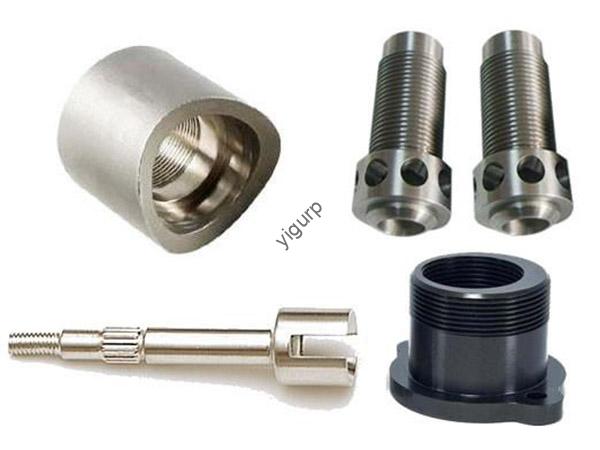
L'acier laminé à froid SPCC est un acier de construction à faible teneur en carbone réputé pour sa finition de surface lisse, excellente formabilité, and consistent mechanical properties—traits made possible by its precise chemical composition and cold rolling process. Contrairement à l'acier laminé à chaud, Le SPCC subit une réduction à froid après laminage à chaud, qui affine sa structure de grain et élimine les défauts de surface, making it a top choice for industries requiring precision, esthétique, et la maniabilité, such as automotive, appliance manufacturing, and electrical equipment. Dans ce guide, nous allons décomposer ses propriétés clés, utilisations réelles, procédés de fabrication, et comment il se compare à d'autres matériaux, helping you select it for projects that demand both performance and visual appeal.
1. Key Material Properties of SPCC Cold Rolled Steel
SPCC’s performance stems from its low-carbon composition and cold rolling process, which balance ductility, usinabilité, and surface quality—critical for precision applications.
Composition chimique
SPCC’s formula prioritizes formability and surface quality, with strict limits on impurities to ensure consistency:
- Carbone (C): ≤0.15% (ultra-low to maximize ductilité et formabilité, enabling complex shaping like deep drawing for appliance drums)
- Manganèse (Mn): ≤0.50% (modest addition enhances tensile strength without compromising cold workability)
- Silicium (Et): ≤0.35% (aids deoxidation during steelmaking and stabilizes mechanical properties across batches)
- Soufre (S): ≤0.050% (controlled to avoid hot cracking during manufacturing and ensure uniform forming)
- Phosphore (P.): ≤0.045% (strictly limited to prevent cold brittleness, critical for parts used in low-temperature environments)
- Trace elements: Fer (balance) with minimal residual elements (par ex., cuivre, nickel) to avoid surface defects or inconsistent performance.
Propriétés physiques
| Propriété | Typical Value for SPCC Cold Rolled Steel |
| Densité | ~7.85 g/cm³ (consistent with standard low-carbon steels, no extra weight penalty) |
| Point de fusion | ~1450-1500°C (suitable for post-processing like welding or annealing) |
| Conductivité thermique | ~50 W/(m·K) (at 20°C—higher than alloy steels, enabling efficient heat dissipation in electrical enclosures) |
| Specific heat capacity | ~0.48 kJ/(kg·K) (at 20°C) |
| Electrical resistivity | ~150 Ω·m (at 20°C—lower than stainless steel, making it suitable for low-current electrical components) |
| Magnetic properties | Ferromagnétique (retains magnetism in all states, ideal for transformer cores or magnetic fasteners) |
Propriétés mécaniques
SPCC’s cold rolling process enhances its mechanical performance, making it ideal for precision forming:
- Résistance à la traction: ~320-450 MPa (sufficient for non-load-bearing parts like appliance panels or automotive body components)
- Yield strength: ~200-300 MPa (low enough for easy cold forming, high enough to retain shape after stamping)
- Dureté (Brinell): 65-95 HB (soft enough for deep drawing and bending, no post-forming heat treatment needed for most applications)
- Ductilité:
- Élongation: ~25-35% (dans 50 mm—exceptional for complex shapes like washing machine drums or automotive fenders)
- Reduction of area: ~50-60% (indicates excellent toughness during cold working, avoiding cracking)
- Impact toughness (Charpy V-notch, 20°C): ~40-60 J/cm² (good for non-extreme impact applications like furniture frames)
- Fatigue resistance: ~150-200 MPa (at 10⁷ cycles—suitable for static or low-dynamic parts like electrical enclosures)
Autres propriétés
- Résistance à la corrosion: Faible (no alloy additions for corrosion protection; requires surface treatment like galvanizing or painting for outdoor use)
- Weldability: Excellent (low carbon content allows welding with common methods—MIG, TIG, arc welding—without preheating for thin sections <3 mm)
- Usinabilité: Very good (softness and uniform grain structure enable fast CNC machining, forage, and tapping with minimal tool wear)
- Formabilité: Excellent (cold rolling refines grain structure, enabling deep drawing, flexion, and stamping into intricate shapes—e.g., 90° bends without cracking)
- Finition superficielle: Supérieur (Râ 0.1-0.8 μm—smooth, defect-free surface, eliminating the need for post-processing like grinding for visible parts)
2. Real-World Applications of SPCC Cold Rolled Steel
SPCC’s combination of formability, qualité de surface, and cost-effectiveness makes it a staple in industries where precision and aesthetics matter. Voici ses utilisations les plus courantes:
Industrie automobile
- Panneaux de carrosserie: Car door panels, hoods, and fenders use SPCC—excellente formabilité enables complex curved designs, and smooth surface finish simplifies painting (reducing paint usage by 10% contre. hot-rolled steel).
- Cadres: Lightweight structural frames for interior components (par ex., dashboard supports) use SPCC—résistance à la traction (320-450 MPa) supports static loads, et usinabilité allows easy hole drilling for fasteners.
- Composants structurels: Small brackets and clips for wiring or hoses use SPCC—faible coût suits high-volume production, et soudabilité simplifies assembly.
- Pièces automobiles: Fuel tank shells and battery casings use SPCC—ductilité enables deep drawing into seamless shapes, avoiding leakage risks from seams.
Exemple de cas: A car manufacturer used hot-rolled steel for door panels but faced high post-processing costs (grinding to fix surface defects). Switching to SPCC eliminated grinding—saving \(8 per panel and reducing production time by 15%, with annual savings of \)480,000 for a 60,000-unit production run.
Appliance Manufacturing
- Refrigerator bodies: Outer shells and inner liners use SPCC—smooth surface finish améliore l'esthétique, et formabilité enables curved edges for modern designs.
- Washing machine drums: Inner spin drums use SPCC—ductilité allows deep drawing into cylindrical shapes, et uniform thickness (from cold rolling) ensures balanced spinning.
- Panneaux d'appareils: Oven door panels and microwave exteriors use SPCC—paint adhesion (from smooth surface) ensures long-lasting color, et faible coût suits budget-friendly appliance lines.
- Petites pièces: Knob housings and control panels use SPCC—usinabilité enables precise cutouts for buttons, et magnetic properties work with magnetic door seals.
Electrical Equipment
- Coffrets électriques: Junction boxes and breaker panels use SPCC—formabilité allows bending into box shapes, et electrical resistivity (lower than stainless steel) minimizes interference with internal components.
- Transformer cores: Low-loss transformer laminations use SPCC—magnetic properties enhance energy efficiency, et thin gauges (jusqu'à 0.3 mm via cold rolling) reduce core losses by 20% contre. thicker steels.
- Motor housings: Small electric motor casings use SPCC—soudabilité simplifies assembly of split housings, et heat conductivity dissipates motor heat, extending lifespan.
- Chemins de câbles: Indoor cable management trays use SPCC—léger (contre. hot-rolled steel) eases installation, et formabilité enables slotting for cable access.
Other Applications
- Meubles: Metal chair frames and table bases use SPCC—bendability allows custom designs, et paint adhesion ensures scratch-resistant finishes.
- Construction materials: Interior wall panels and ceiling grids use SPCC—surface lisse accepts wallpaper or paint, et léger reduces structural load.
- Containers: Food cans and storage tins use SPCC—thin gauges (0.15-0.3 mm) minimize material usage, et seamless forming prevents rust from food contact.
- Objets de décoration: Metal art and signage use SPCC—formabilité enables intricate laser cutting, et abordabilité suits small-batch decorative projects.
3. Manufacturing Techniques for SPCC Cold Rolled Steel
Producing SPCC requires strict control over cold rolling and surface quality to achieve its signature properties. Here’s the detailed process:
1. Sidérurgie
- Four à oxygène de base (BOF): Primary method—molten iron from a blast furnace is mixed with scrap steel; oxygen adjusts carbon content to ≤0.15%. Alliages (manganèse, silicium) are added to meet composition standards, with strict impurity control (S ≤0.050%, P ≤0.045%).
- Continuous casting: Molten steel is cast into thin slabs (100-200 mm d'épaisseur) via a continuous caster—faster and more consistent than ingot casting, ensuring uniform thickness and minimal internal defects.
2. Hot Working (Pre-Cold Rolling Preparation)
- Hot rolling: Continuous cast slabs are heated to 1100-1200°C and rolled into hot-rolled coils (2-6 mm d'épaisseur) via a series of hot rolling mills. This reduces slab thickness and refines the initial grain structure, preparing the steel for cold rolling.
- Pickling: Hot-rolled coils are dipped in hydrochloric or sulfuric acid to remove surface scale (oxyde de fer) caused by hot rolling—critical for achieving SPCC’s smooth surface finish in subsequent steps.
3. Cold Working (Key to SPCC’s Properties)
- Cold rolling: Pickled hot-rolled coils are passed through cold rolling mills at room temperature, reducing thickness to the desired gauge (0.15-3 mm). Cold rolling increases tensile strength by 20-30% and creates a smooth, surface uniforme (Râ 0.1-0.8 µm).
- Recuit: After cold rolling, coils are heated to 650-750°C for 2-4 heures (batch annealing) or passed through a continuous annealing line. This softens the steel (reducing hardness to 65-95 HB), restores ductility, and relieves internal stress from cold rolling—enabling deep drawing and forming.
- Temper rolling (skin passing): Annealed coils undergo light cold rolling (1-3% reduction) to flatten the surface, eliminate minor defects, and improve shape consistency—ensuring uniform thickness for stamping or machining.
- Usinage de précision: Pour les pièces personnalisées (par ex., electrical enclosure cutouts), CNC mills or laser cutters shape SPCC into final forms—its usinabilité allows fast, precise cuts with minimal tool wear.
- Estampillage: High-speed stamping presses shape SPCC into parts like appliance panels or automotive brackets—formabilité enables complex shapes in one press cycle, reducing production time.
4. Traitement de surface (Améliorer la durabilité et l'esthétique)
- Galvanisation: Hot-dip galvanizing (revêtement de zinc, 50-100 µm d'épaisseur) is used for parts exposed to moisture (par ex., mobilier d'extérieur, coffrets électriques)—boosts corrosion resistance by 5-10x vs. uncoated SPCC.
- Peinture: Powder coating or liquid painting is applied to visible parts (par ex., appliance panels, pièces de carrosserie automobile)—SPCC’s smooth surface ensures even coverage, reducing paint usage by 10% contre. rough materials.
- Galvanoplastie: Chrome or nickel plating is used for decorative parts (par ex., quincaillerie pour meubles, boutons d'appareils)—enhances aesthetics and adds a scratch-resistant layer.
- Passivation: A thin chemical film (par ex., phosphate coating) is applied to improve paint adhesion or lubricity for forming—used for parts like washing machine drums to prevent paint peeling during use.
4. Étude de cas: SPCC Cold Rolled Steel in Washing Machine Drum Manufacturing
A home appliance manufacturer used hot-rolled steel for washing machine inner drums but faced two issues: high scrap rates (15%) from cracking during deep drawing, and high post-processing costs (grinding surface defects). Switching to SPCC delivered transformative results:
- Scrap Reduction: SPCC’s excellente formabilité reduced cracking scrap rates to 3%—saving \(2 per drum and \)120,000 annually for a 60,000-unit production run.
- Rentabilité: SPCC’s smooth surface eliminated grinding—cutting post-processing time by 20% and saving $1.5 per drum in labor costs.
- Performance: SPCC’s uniform thickness improved drum balance during spinning, reducing noise complaints by 30% and boosting customer satisfaction.
5. SPCC Cold Rolled Steel vs. Other Materials
How does SPCC compare to other steels and structural materials for precision applications? Le tableau ci-dessous met en évidence les principales différences:
| Matériel | Coût (contre. SPCC) | Résistance à la traction (MPa) | Formabilité | Finition de surface (Râ, µm) | Résistance à la corrosion | Poids (g/cm³) |
| Acier laminé à froid SPCC | Base (100%) | 320-450 | Excellent | 0.1-0.8 | Faible (Needs Coating) | 7.85 |
| Hot-Rolled Steel (SPHC) | 80% | 310-430 | Bien | 1.6-6.3 | Faible (Needs Coating) | 7.85 |
| Acier inoxydable (304) | 350% | 500-700 | Bien | 0.1-1.6 | Excellent | 7.93 |
| Alliage d'aluminium (6061-T6) | 280% | 310 | Very Good | 0.1-1.6 | Bien | 2.70 |
| Plastique (ABS) | 120% | 40-60 | Excellent | 0.2-1.0 | Excellent | 1.05 |
Application Suitability
- Automotive/Appliance Panels: SPCC outperforms hot-rolled steel (better surface finish) and is cheaper than stainless steel—ideal for visible parts needing paint adhesion.
- Boîtiers électriques: SPCC balances formability and cost better than aluminum (moins cher) and stainless steel (more workable)—suitable for indoor enclosures with coating.
- Precision Forming: SPCC’s formability rivals plastic (plus fort) and is more affordable than aluminum—perfect for deep-drawn parts like washing machine drums.
- Decorative Parts: SPCC’s smooth surface and paintability make it better than hot-rolled steel (no grinding) for furniture or signage.
Yigu Technology’s View on SPCC Cold Rolled Steel
Chez Yigu Technologie, SPCC stands out as a cost-effective, versatile solution for precision manufacturing. C'est excellente formabilité, smooth surface finish, and low cost make it ideal for clients in automotive, appliance, and electrical industries. We recommend SPCC for deep-drawn parts, visible panels, and high-volume components—where it outperforms hot-rolled steel (lower post-processing costs) and offers better value than stainless steel or aluminum. While it needs coating for corrosion protection, its adaptability to diverse manufacturing processes aligns with our goal of efficient, customer-centric material solutions.
FAQ
1. Is SPCC suitable for outdoor applications (par ex., mobilier d'extérieur)?
Yes—SPCC works for outdoor use with proper surface treatment (par ex., hot-dip galvanizing or powder coating). Uncoated SPCC will rust quickly, but a zinc coating or weather-resistant paint extends its lifespan to 10+ years in outdoor environments.
2. Can SPCC be used for load-bearing structural parts (par ex., building frames)?
No—SPCC’s tensile strength (320-450 MPa) is too low for heavy load-bearing applications. Choose high-strength steel (par ex., S355) or hot-rolled steel for structural frames; SPCC is better suited for non-load-bearing parts like interior panels or brackets.
3. How does SPCC compare to aluminum for automotive body panels?
SPCC is 30-40% cheaper than aluminum and has better formability for complex curves, but it’s 2.9x heavier. Use SPCC for budget-friendly, non-weight-sensitive panels (par ex., rear doors); choose aluminum for lightweight needs (par ex., electric vehicle bodies) where cost is less critical.