
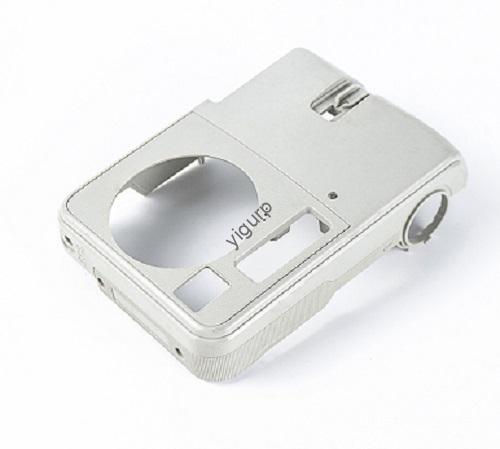
Dans une industrie automobile moderne et en évolution rapide, vérifier la faisabilité et la fonctionnalité de la conception dès le début est essentiel pour réduire les coûts et répondre aux normes strictes de l'industrie. Le soft rubber automobile prototype model is a cornerstone of this process—it lets engineers test flexible parts (comme des joints ou des durites), simuler des conditions de conduite réelles, and collect reliable data at a fraction of the cost of full-production parts. Whether you’re a procurement engineer selecting materials or a product engineer refining a car’s design, this guide covers everything you need to create high-quality soft rubber automobile prototypes.
1. Why Soft Rubber Materials Excel for Automobile Prototypes
Automotive parts face tough conditions: extreme temperatures under the hood, exposure to rain and road chemicals, and frequent wear from use. Soft rubber materials meet these challenges, making them ideal for automobile prototypes.
Below is a detailed breakdown of common soft rubber materials, leurs propriétés clés, and real automotive use cases to help you choose the right one:
| Type de matériau | Propriétés clés | Automotive Use Case Example | Temperature Resistance Range |
| TPU (Polyuréthane thermoplastique) | Excellent wear resistance, high elasticity, strong tear resistance | Flexible fuel lines and door seals | -40°C à 120°C |
| Caoutchouc de silicone | Superior high-temperature resistance, inertie chimique, facile à nettoyer | Engine gaskets and heat-resistant hose covers | -60°C à 230°C |
| EPDM (Ethylene Propylene Rubber) | Strong water/ozone resistance, long-lasting flexibility | Windshield wiper blades and window sealing strips | -50°C à 150°C |
Étude de cas: A leading car manufacturer used silicone rubber prototypes to test engine gaskets. The prototypes endured 2,000+ hours of exposure to 180°C engine heat (mimicking long drives) without leaking or deforming. This early test proved the design worked, saving the brand $180,000 in potential rework costs for mass-produced gaskets.
2. Step-by-Step Process to Make a Soft Rubber Automobile Prototype Model
Creating a reliable soft rubber automobile prototype model requires strict adherence to precise steps. Below is a proven workflow used by top automotive manufacturers:
Étape 1: Material Selection – Pick the Right Foundation
Choosing the correct material is critical—it directly impacts the prototype’s performance in real automotive conditions. When selecting, ask these key questions:
- Will the part be near high heat (comme les composants du moteur)? Opt for silicone.
- Will it be exposed to water or road salt (like exterior seals)? EPDM is a safe choice.
- Does it need to handle frequent movement (like door hinges)? TPU’s wear resistance makes it ideal.
Pro Tip: A small automotive parts supplier once chose EPDM instead of TPU for a flexible fuel line prototype. The EPDM cracked after 500 cycles de pliage (simulating engine vibrations), causing a 3-week delay—always match the material to the part’s intended use!
Étape 2: Data Collection – Ensure Design Accuracy
This step lays the groundwork for a prototype that matches your exact automotive design:
- 3D Drawing Import: Ask for customer-provided 3D CAD files (par ex., STEP or IGES formats). These files are the blueprint—importing them into computer software allows for precise data processing and machining programming. Par exemple, a truck manufacturer once provided incomplete CAD files for a window seal prototype, leading to a seal that didn’t fit tightly; double-checking files upfront avoids such issues.
- Gypsum Sample Production: Create a gypsum sample based on the 3D drawings to confirm the part’s shape, curvature, and size. This is a “test run” for mold making—if the gypsum sample is inaccurate, the final prototype will be too. A sedan maker uses gypsum samples to verify the curve of a soft rubber door seal, ensuring a 0.1mm margin of error for a windproof, waterproof fit.
Étape 3: CNC Machining – Shape with Precision
CNC machining turns your chosen soft rubber material into the prototype with unmatched accuracy—critical for automotive parts that need tight fits:
- Programmation & Setting: Use CNC software (such as Mastercam) to create cutting paths. The machine then removes excess rubber, retaining the exact shape of the automotive part. CNC machining delivers a smooth surface (as low as Ra 0.8μm), which is essential for parts like engine gaskets that can’t leak.
- Multi-Axis Machining Technology: Pour pièces complexes (par ex., a curved soft rubber hose for a hybrid car’s cooling system), use multi-axis CNC machines. This technology lets you machine complex shapes directly from rubber sheets or rods—no molds needed—and boosts precision by 25% par rapport à l'usinage traditionnel. A hybrid car brand cut prototype production time from 5 jours pour 2 using this tech.
Étape 4: Post-Treatment – Enhance Durability & Esthétique
Post-treatment ensures your prototype is ready for real automotive use and testing:
- Ébavurage: Use 400-grit or finer sandpaper to smooth knife marks and burrs on the prototype’s surface. Burrs can damage other automotive components (par ex., a tiny burr on a fuel line might scratch metal parts)—this step is non-negotiable.
- Traitement de surface: Apply treatments like spray painting (for color matching to car bodies), sérigraphie (for part labels like “fuel line”), or electroplating (pour une résistance supplémentaire à la corrosion). A SUV manufacturer uses silk screen printing on soft rubber dashboard buttons— the labels stay legible even after 15,000+ presses (mimicking years of use).
Étape 5: Assemblée & Testing – Verify Functionality
This step ensures your prototype works as intended in real driving conditions:
- Test Assembly: Put all prototype parts together to check for gaps or misalignments. Par exemple, a sports car maker tests assembling soft rubber brake line covers with metal brake lines to ensure no slipping during hard stops.
- Tests fonctionnels: Test the assembled prototype under conditions that mimic real driving. Key tests include:
- Structural stability: Subject the prototype to 10,000+ vibration cycles (simulating rough roads) sans fissures.
- Mechanical properties: Measure tensile strength (TPU prototypes typically reach 50-70 MPa) to ensure they handle stress from acceleration/braking.
- Environmental simulation: Expose the prototype to -30°C (winter) to 180°C (engine heat) pour 300 hours with no deformation.
Étape 6: Conditionnement & Shipping – Protect Your Prototype
Your prototype is valuable—protect it during transport to automotive facilities:
- Safe Packaging: Use foam inserts and hard plastic cases to prevent damage. A supplier once shipped prototypes in thin cardboard boxes; 20% of them got crushed, leading to project delays. Investing in quality packaging saves time and money.
- Delivery Time: Align production with customer timelines. Most automotive projects need prototypes in 2-3 semaines. If there’s a delay (par ex., silicone shortages), communicate early to manage expectations.
3. Yigu Technology’s Perspective on Soft Rubber Automobile Prototype Models
Chez Yigu Technologie, we’ve supported 500+ automotive clients in creating soft rubber automobile prototype models over a decade. We believe success lies in material customization and strict quality control tailored to automotive needs. Par exemple, we developed a custom TPU blend for a luxury car client that’s more flexible than standard TPU and resists road salt corrosion—exceeding their requirements. We also use 3-stage testing (pré-usinage, post-treatment, final assembly) to meet ISO 9001 and automotive industry standards (like IATF 16949). For engineers and procurement teams, partnering with a supplier who understands automotive challenges is essential to avoid costly errors.
FAQ
- Q: How long does it take to make a soft rubber automobile prototype model?
UN: Typiquement 2-3 semaines, en fonction de la complexité. Pièces simples (like small seals) take 2 semaines, while complex parts (like multi-part hoses) take 3 semaines.
- Q: Can soft rubber automobile prototypes be used for safety-critical parts (like brake line covers)?
UN: Yes—if the material meets safety standards. Par exemple, our TPU prototypes meet IATF 16949 automotive safety requirements, making them suitable for brake line covers and other safety parts. Always confirm material certifications with your supplier.
- Q: Do you offer material samples before making the prototype?
UN: Absolument. Chez Yigu Technologie, we provide small samples of TPU, silicone, and EPDM. Testing samples first (pour la résistance à la chaleur, flexibilité, etc.) helps you pick the right material and avoid prototype mistakes.