
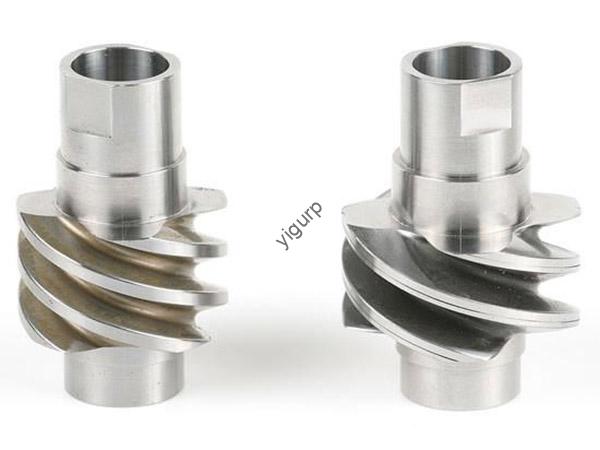
L'acier de construction SK5 est un acier à haute teneur en carbone, versatile alloy known for its excellent dureté, fiable résistance à la traction, and good usinabilité—traits that make it a top pick for medium-to-high stress applications across industries. Contrairement aux aciers à faible teneur en carbone, SK5 équilibre la résistance et la maniabilité, thanks to its carefully tuned composition chimique (axé sur le carbone, manganèse, et impuretés contrôlées). Whether you’re building mechanical parts, composants automobiles, or structural elements, SK5 delivers durability without compromising on manufacturing efficiency. Dans ce guide, nous allons décomposer ses propriétés clés, utilisations réelles, méthodes de production, and how it stacks up against other materials—helping you decide if it’s the right choice for your project.
1. Material Properties of SK5 Structural Steel
SK5’s performance starts with its composition chimique, which lays the groundwork for its physical, mécanique, and functional traits. Every element is calibrated to enhance strength, dureté, et la convivialité.
Composition chimique
SK5 is a high-carbon steel with trace elements that boost performance—no unnecessary alloys, keeping it cost-effective while maintaining reliability:
- Carbone (C): 0.80-0.90% (the star element—boosts dureté et résistance à la traction, critical for wear-resistant parts like gears or bearings)
- Manganèse (Mn): 0.10-0.30% (improves hardenability, ensuring uniform strength across thick components)
- Silicium (Et): ≤0,35% (aids deoxidation during steelmaking, preventing defects in the final product)
- Soufre (S): ≤0,03% (strictly controlled to avoid brittleness, especially during cold working)
- Phosphore (P.): ≤0,03% (minimized to prevent cold cracking, making SK5 suitable for low-temperature applications)
- Oligoéléments: Small amounts of iron oxides are removed during processing, ensuring a clean, consistent base material.
Propriétés physiques
SK5’s physical traits align with standard structural steels, making it easy to integrate into existing designs:
| Propriété | Typical Value for SK5 Structural Steel |
| Densité | ~7,85 g/cm³ (same as most steels—no extra weight for transportation or installation) |
| Point de fusion | ~1450-1500°C (high enough for high-temperature applications like engine components) |
| Conductivité thermique | ~45 W/(m·K) (at 20°C—efficient heat dissipation for parts that get warm, like transmission gears) |
| Capacité thermique spécifique | ~0,48 kJ/(kg·K) (at 20°C—balances heat absorption and release) |
| Résistivité électrique | ~150 × 10⁻⁹ Ω·m (at 20°C—low conductivity, suitable for non-electrical structural parts) |
| Propriétés magnétiques | Ferromagnétique (retains magnetism, simplifying non-destructive testing for defects) |
Propriétés mécaniques
Après traitement thermique standard (trempe et revenu), SK5 delivers the strength needed for heavy-duty use:
- Résistance à la traction: ~800-950 MPa (strong enough to handle loads in automotive axles or structural beams)
- Limite d'élasticité: ~600-750 MPa (résiste à la déformation permanente, even under repeated stress)
- Dureté: 50-55 CRH (Rockwell C.) after heat treatment—ideal for wear-resistant parts like bearings or machine shafts
- Ductilité: ~8-12% elongation (dans 50 mm)—enough to bend into simple shapes without cracking, though less ductile than low-carbon steels
- Résistance aux chocs: ~20-30 J/cm² (à température ambiante)—moderate, suitable for static or low-vibration applications
- Résistance à la fatigue: ~350-400MPa (à 10⁷ cycles)—reliable for parts like suspension components that endure repeated stress.
Autres propriétés
- Résistance à la corrosion: Modéré : fonctionne bien dans des environnements secs ou intérieurs, but needs painting or galvanizing for outdoor use (par ex., poutres de construction)
- Soudabilité: Fair—requires preheating (200-300°C) pour éviter de craquer, so best for simple welds (not complex structures like ship hulls)
- Usinabilité: Bien (avant traitement thermique)—annealed SK5 (hardness ~180-220 HB) cuts easily with standard tools, reducing manufacturing time
- Formabilité: Moderate—can be cold-rolled or stamped into basic shapes (par ex., parenthèses), but not as flexible as low-carbon steels like S355
- Finition superficielle: Smooth after machining or grinding—ideal for parts that need tight tolerances (par ex., engrenages de précision).
2. Applications of SK5 Structural Steel
SK5’s blend of strength and workability makes it useful across industries—from small mechanical parts to large structural elements. Here’s where it shines:
Génie mécanique
Mechanical engineers rely on SK5 for parts that need wear resistance and strength:
- Arbres: Industrial machine shafts (par ex., pour systèmes de convoyeurs) use SK5—its dureté resists wear from bearings, prolonger la durée de vie en 30% contre. acier à faible teneur en carbone
- Engrenages: Small to medium-sized gears (par ex., in factory equipment) use SK5—résistance à la traction handles torque without tooth bending
- Roulements: Precision bearings for motors use SK5—smooth surface finish reduces friction, lowering maintenance costs
- Pièces de machines: Attaches, pinces, and tool holders use SK5—its usinabilité allows easy customization to fit specific equipment.
Industrie automobile
SK5 is a staple in automotive manufacturing for parts that endure stress:
- Composants du moteur: Timing gears and valve stems use SK5—high-temperature resistance (jusqu'à 300°C) handles engine heat
- Pièces de transmission: Gear teeth and shift forks use SK5—résistance à la fatigue withstands repeated gear changes (100,000+ cycles)
- Essieux: Light truck axles use SK5—limite d'élasticité resists bending under heavy loads (jusqu'à 5 tonnes)
- Composants de suspension: Leaf spring brackets use SK5—dureté resists wear from road vibrations.
Construction
While not as ductile as low-carbon steels, SK5 works for specific construction needs:
- Poutres structurelles: Poutres de courte portée (5-10 mètres) in industrial warehouses use SK5—résistance à la traction supports overhead cranes (jusqu'à 10 tonnes)
- Colonnes: Support columns in small factories use SK5—compact size saves space while handling vertical loads
- Fermes: Lightweight trusses for factory roofs use SK5—easy to cut and assemble, réduire le temps de construction
- Ponts: Small pedestrian bridges use SK5—with galvanizing, it resists outdoor corrosion for 15+ années.
Autres applications
SK5 also adds value to niche industries:
- Construction navale: Small ship components (par ex., deck fasteners) use SK5—with painting, it resists saltwater spray
- Railway vehicles: Train bogie parts (par ex., axle brackets) use SK5—résistance à la fatigue handles track vibrations
- Machinerie lourde: Excavator bucket pins use SK5—résistance à l'usure extends pin life by 2 années contre. acier standard
- Production d'électricité: Small turbine components use SK5—high-temperature strength handles turbine heat.
Exemple de cas: A European machinery maker used low-carbon steel for conveyor shafts but faced frequent wear (replacing shafts every 6 mois). Switching to SK5 (traité thermiquement pour 52 CRH) extended shaft life to 18 mois, réduisant ainsi les coûts de remplacement de $20,000 annually and reducing downtime by 40%.
3. Manufacturing Techniques for SK5 Structural Steel
Producing SK5 requires precision to control its carbon content and ensure consistent performance. Voici le processus étape par étape:
1. Sidérurgie: Building a Clean Base
- Four à arc électrique (AEP): The most common method—scrap steel is melted at 1,600-1,700°C. Carbone, manganèse, and silicon are added to reach SK5’s composition chimique (0.80-0.90% C, 0.10-0.30% Mn). Sensors monitor elements in real time to avoid defects.
- Four à oxygène de base (BOF): Used for large-scale production—molten iron from a blast furnace is mixed with scrap. Oxygen is blown in to adjust carbon levels, then alloys are added to fine-tune properties.
- Coulée continue: Molten steel is poured into a water-cooled mold to form slabs, billets, ou des tiges (the most common shape for SK5). This avoids defects from ingot casting and speeds up production.
- Ingot casting: Rarely used today—reserved for custom, large-scale parts (par ex., arbres de machinerie lourde). Molten steel is poured into molds, refroidi, and then reheated for rolling.
2. Travail à chaud: Shaping and Strengthening
- Laminage à chaud: Cast slabs are heated to 1,100-1,200°C and rolled through mills to form plates, barres, ou poutres. Le laminage à chaud décompose les gros carbures, amélioration ductilité and uniform strength.
- Hot forging: Pour pièces complexes (par ex., engrenages), hot SK5 (1,000-1,100°C) is pressed into dies. This shapes the part while aligning metal grains, stimuler résistance à la traction par 10-15%.
- Extrusion: Utilisé depuis longtemps, uniform parts (par ex., structural channels). Hot SK5 is pushed through a die to create the desired shape—fast and cost-effective for high-volume production.
- Hot drawing: Pour pièces de petit diamètre (par ex., boulons), hot SK5 rods are pulled through a die to reduce diameter. This improves surface finish and dimensional accuracy.
- Recuit: After hot working, SK5 is heated to 700-750°C for 2-3 heures, puis refroidi lentement. This softens the steel (hardness ~180-220 HB), making it easier to machine.
3. Travail à froid: Refining Precision
- Laminage à froid: Used for thin sheets or bars (par ex., supports automobiles). Cold-rolled at room temperature, it improves surface finish (Râ 0.8 µm) and increases dureté par 15-20% (no heat treatment needed for simple parts).
- Cold drawing: Pour pièces de précision (par ex., bearing shafts), cold SK5 rods are pulled through a die. This creates tight tolerances (±0,01 mm) et une surface lisse.
- Cold forging: Pour les petits, pièces à haute résistance (par ex., attaches). Cold SK5 is pressed into dies—no heating required, saving energy and reducing production time.
- Estampillage: Utilisé pour les pièces plates (par ex., washers or brackets). Cold SK5 sheets are stamped with a press—fast, ideal for high-volume orders (10,000+ parties par heure).
- Usinage de précision: CNC mills or lathes cut annealed SK5 into complex shapes (par ex., dents d'engrenage). C'est usinabilité allows fast cutting speeds (100-150 m/mon), réduire les coûts.
4. Traitement thermique: Tuning Strength and Hardness
Heat treatment is key to unlocking SK5’s full potential—tailored to the part’s use:
- Trempe et revenu: The most common process—SK5 is heated to 800-850°C (austénitisant), trempé dans l'eau pour durcir (60-62 CRH), then tempered at 200-300°C to reduce brittleness (dureté finale 50-55 CRH). Utilisé pour les engrenages, roulements, et arbres.
- Normalisation: Chauffé à 850-900°C, refroidi par air. Refines grain size and reduces internal stress—used for structural parts like beams or columns.
- Recuit: Comme mentionné plus tôt, softens the steel for machining—critical for parts that need complex cuts (par ex., arbres de précision).
- Durcissement superficiel: For parts that need a hard outer layer (par ex., dents d'engrenage). SK5 is heated to 850-900°C, then the surface is quenched—creates a hard outer layer (55 CRH) et noyau dur (40 CRH).
- Nitruration: Heated to 500-550°C in a nitrogen atmosphere. Forms a hard nitride layer (60-65 CRH) on the surface—boosts résistance à l'usure par 50% (ideal for bearings or shafts).
4. Étude de cas: SK5 in Automotive Gear Manufacturing
A Japanese automotive supplier struggled with gear wear in small truck transmissions—using low-carbon steel, gears failed after 80,000 kilomètres, leading to warranty claims. They switched to SK5, with these results:
- Performance Upgrade: SK5 gears (traité thermiquement pour 53 CRH) a duré 150,000 miles—double the life of low-carbon steel gears. This cut warranty costs by $150,000 annuellement.
- Manufacturing Efficiency: Annealed SK5’s usinabilité allowed 20% faster gear cutting—production capacity increased by 1,000 gears per month, économie $8,000 en coûts de main d'œuvre.
- Cost Balance: While SK5 costs 15% more than low-carbon steel, the longer gear life and faster production saved the supplier $220,000 annuellement.
- Fiabilité: SK5’s résistance à la fatigue manipulé 100,000+ gear changes without tooth bending—customer satisfaction scores rose by 15%.
5. SK5 Structural Steel vs. Autres matériaux
How does SK5 compare to other common materials? The table below breaks down key differences to help you choose:
| Matériel | Coût (contre. SK5) | Résistance à la traction (MPa) | Dureté (CRH) | Résistance à la corrosion | Usinabilité | Idéal pour |
| Acier de construction SK5 | Base (100%) | 800-950 | 50-55 | Modéré | Bien | Engrenages, arbres, small structural beams |
| Acier de construction S355 | 80% | 355-510 | 15-20 | Modéré | Très bien | Large beams, colonnes, ponts |
| Acier inoxydable (304) | 300% | 515 | 18-22 | Excellent | Bien | Équipement de transformation des aliments, pièces extérieures |
| Alliage d'aluminium (6061-T6) | 250% | 310 | 90-95 (HB) | Bien | Très bien | Lightweight automotive parts, composants d'avion |
| Composite en fibre de carbone | 800% | 1,500+ | N / A | Excellent | Pauvre | Des pièces performantes (par ex., racing car bodies) |
Key Comparison Takeaways
- contre. S355: SK5 is stronger and harder, but S355 is more ductile and cheaper—choose SK5 for wear-resistant parts, S355 for large structural elements.
- contre. Acier inoxydable (304): 304 resists corrosion better, but SK5 is stronger and cheaper—use 304 for outdoor/ wet parts, SK5 for dry, pièces très sollicitées.
- contre. Aluminium (6061-T6): L'aluminium est plus léger, but SK5 is stronger and cheaper—pick aluminum for weight-sensitive parts, SK5 for heavy-duty use.
- contre. Fibre de carbone: Carbon fiber is stronger and lighter, but SK5 is far cheaper and easier to machine—use carbon fiber for high-performance needs, SK5 for everyday parts.
Yigu Technology’s View on SK5 Structural Steel
Chez Yigu Technologie, we see SK5 as a cost-effective workhorse for medium-stress applications. C'est équilibré force, usinabilité, and affordability make it ideal for clients in mechanical engineering and automotive manufacturing—where wear resistance and reliability matter most. While SK5 needs surface treatment for outdoor use and preheating for welding, its performance-to-cost ratio outshines many alternatives. We often recommend SK5 for gears, arbres, and small structural parts, as it delivers long service life without the premium price of stainless steel or composites. For projects needing ductility (par ex., grands ponts), we pair SK5 with complementary materials to optimize results.
FAQ
1. Can SK5 be used for outdoor construction projects?
Oui, but it needs protection—SK5 has moderate résistance à la corrosion, so outdoor parts (par ex., beams or columns) should be painted, galvanisé, ou enduit. Avec un traitement approprié, SK5 can last 15+ years in outdoor environments.
2. Is SK5 easy to weld?
SK5 has fair soudabilité—it requires preheating to 200-300°C to prevent cracking, and post-weld annealing to reduce stress. It works best for simple welds (par ex., bracket attachments) but is not ideal for complex, high-load welds (par ex., coques de navires).
3. How does SK5’s hardness affect its use?
SK5’s hardness (50-55 HRC after heat treatment) is a strength—it makes parts wear-resistant (great for gears or bearings). Cependant, high hardness reduces ductility, so SK5 isn’t ideal for parts that need frequent bending (par ex., flexible brackets). Annealing can soften SK5 for machining, then heat