
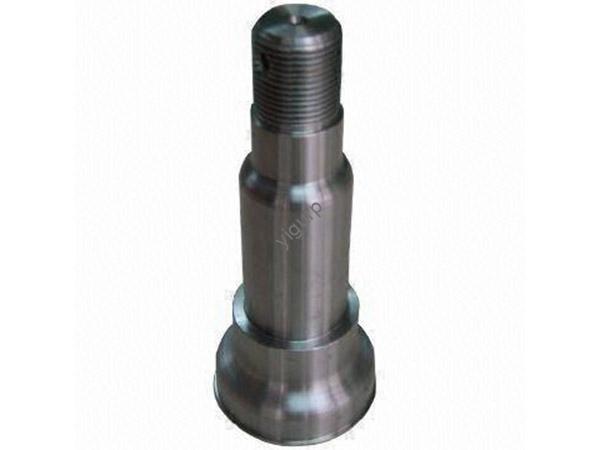
Acier argenté, également connu sous le nom d'acier pour tiges de forage, est un alliage de haute précision célèbre pour sa résistance et sa polyvalence exceptionnelles. Que vous soyez outilleur, ingénieur en mécanique, ou concepteur automobile, understanding its propriétés des matériaux, candidatures, et techniques de fabrication is key to unlocking its full potential. Ce guide détaille tout ce que vous devez savoir, with real-world examples and data to support your decisions.
1. Material Properties of Silver Steel: What Makes It Unique?
Silver steel’s performance stems from its carefully balanced composition and tailored properties. Below is a detailed breakdown of its core characteristics:
1.1 Composition chimique
The foundation of silver steel lies in its precise mix of elements, which determines its strength and durability. Key components include:
- Carbone (C): 0.9% – 1.05% (améliore la dureté et la résistance à l'usure)
- Manganèse (Mn): 0.3% – 0.6% (improves hardenability and tensile strength)
- Silicium (Et): 0.1% – 0.35% (boosts heat resistance and toughness)
- Soufre (S) et Phosphore (P.): ≤ 0.04% chaque (minimized to avoid brittleness)
- Oligoéléments: Small amounts of chromium or vanadium (for added corrosion resistance and grain refinement).
1.2 Propriétés physiques
These properties define how silver steel interacts with heat, électricité, and magnetic forces. Tableau 1 summarizes critical data:
| Propriété physique | Valeur | Unité |
| Densité | 7.85 | g/cm³ |
| Point de fusion | 1420 – 1450 | °C |
| Conductivité thermique | 45 | Avec(m·K) |
| Résistivité électrique | 0.18 | Ω·mm²/m |
| Propriétés magnétiques | Ferromagnétique | – |
1.3 Propriétés mécaniques
Silver steel excels in mechanical performance, making it ideal for high-stress applications. Key metrics (après traitement thermique) inclure:
- Résistance à la traction: 1,200 – 1,500 MPa (résiste à la rupture sous tension)
- Limite d'élasticité: 950 – 1,200 MPa (withstands deformation without permanent damage)
- Dureté: 58 – 62 CRH (on the Rockwell scale, harder than most carbon steels)
- Ductilité: 5% – 8% élongation (balances hardness with slight flexibility)
- Résistance aux chocs: 15 – 25 J. (résiste aux chocs soudains, critical for tools)
1.4 Autres propriétés
- Résistance à la corrosion: Modéré (performs better than carbon steel but requires coating for wet environments).
- Soudabilité: Faible (high carbon content increases brittleness; pre-heating and post-heating are needed).
- Usinabilité: Bien (easier to shape than stainless steel, especially in annealed state).
- Formabilité: Équitable (best suited for cold working like drawing or stamping, not hot forging).
2. Applications of Silver Steel: Où ça brille
Silver steel’s unique blend of properties makes it a top choice across industries. Voici ses utilisations les plus courantes:
2.1 Fabrication d'outils
Tool makers rely on silver steel for high-wear, outils de précision. Les exemples incluent:
- Forets: Silver steel’s hardness (58–62 HRC) ensures long life when drilling metal. A case study by a European tool manufacturer found that silver steel drill bits lasted 30% longer than those made from standard carbon steel.
- Taps and Dies: Used for cutting threads in metal. Their precision (±0,005mm) makes them ideal for automotive and aerospace parts.
- Outils de coupe: Such as end mills and reamers, where sharpness and durability are critical.
2.2 Génie mécanique
In mechanical systems, silver steel is used for components that need strength and accuracy:
- Shafts and Spindles: Found in motors and machine tools. A Japanese engineering firm used silver steel spindles in CNC machines, reducing vibration by 15% compared to alloy steel alternatives.
- Composants de précision: Like gears and bearings, where tight tolerances (≤0.001 mm) sont requis.
2.3 Industrie automobile
Silver steel plays a role in making reliable, high-performance car parts:
- Pièces de moteur: Such as valve stems and camshafts, where heat resistance and wear resistance matter.
- Composants de transmission: Gears and axles made from silver steel handle high torque without bending.
- Safety Parts: Composants de frein, where impact toughness (15–25 J) prevents failure during sudden stops.
2.4 Autres applications
- Instruments de précision: Watches (balance wheels) et outils de mesure (étriers) benefit from its stability.
- Équipement médical: Small components like surgical scissors (requires sterilization resistance).
- Aérospatial: Léger, high-strength parts for aircraft engines (meets strict safety standards).
3. Manufacturing Techniques for Silver Steel
Producing silver steel requires careful control to ensure consistency. The process involves four key steps:
3.1 Sidérurgie
- Four à arc électrique (AEP): Most common method. Scrap steel is melted with carbon and other elements to reach the desired composition chimique.
- Continuous Casting: Molten steel is poured into molds to form long slabs, which are then rolled into rods. This method reduces defects compared to ingot casting.
3.2 Travail à chaud
- Laminage à chaud: Slabs are heated to 1,100 – 1,200 °C and rolled into rods of various diameters. This softens the steel for further processing.
- Recuit: After hot rolling, the steel is heated to 800 – 850 °C and cooled slowly. This reduces hardness and improves usinabilité.
3.3 Travail à froid
- Cold Drawing: Rods are pulled through dies at room temperature to reduce diameter and increase résistance à la traction (jusqu'à 20%).
- Usinage de précision: CNC lathes and mills shape the steel into final products (par ex., forets) avec des tolérances serrées.
3.4 Traitement thermique
The final step to optimize properties:
- Trempe et revenu: L'acier est chauffé à 820 – 850 °C, trempé dans l'huile (hardens it to 62 CRH), puis tempéré à 200 – 300 °C (reduces brittleness while keeping hardness).
- Durcissement superficiel: For parts like gears, a thin hard layer is added via nitriding (heating in nitrogen gas) to improve wear resistance.
4. Étude de cas: Silver Steel in Automotive Gear Manufacturing
A leading U.S. automotive supplier faced a problem: their alloy steel gears were failing prematurely in heavy-duty trucks. They switched to silver steel and saw significant improvements:
- Durabilité: Gears lasted 40% plus long (depuis 50,000 à 70,000 kilomètres).
- Performance: Handled 10% more torque without deformation.
- Coût: While silver steel is 15% more expensive than alloy steel, the longer lifespan reduced overall maintenance costs by 25%.
The success came from silver steel’s limite d'élasticité (950–1,200 MPa) et résistance aux chocs (15–25 J), which better withstood the stress of heavy loads.
5. Silver Steel vs. Autres matériaux: Une analyse comparative
How does silver steel stack up against other common materials? Tableau 2 compares it based on key criteria:
| Matériel | Coût (contre. Acier argenté) | Force (Traction, MPa) | Poids (Densité, g/cm³) | Résistance à la corrosion | Durabilité |
| Acier argenté | 100% (基准) | 1,200 – 1,500 | 7.85 | Modéré | Haut |
| Acier au carbone | 70% | 600 – 900 | 7.85 | Faible | Faible |
| Acier inoxydable | 180% | 800 – 1,100 | 7.90 | Haut | Haut |
| Aluminium | 120% | 300 – 500 | 2.70 | Haut | Modéré |
| Composite | 300% | 1,500 – 2,000 | 1.50 | Très élevé | Très élevé |
Points clés à retenir:
- Silver steel is stronger than carbon steel and aluminum but cheaper than stainless steel and composites.
- It’s heavier than aluminum and composites, making it less ideal for weight-sensitive applications (par ex., aircraft bodies).
- For cost-performance balance in tools and mechanical parts, silver steel is often the best choice.
Le point de vue de Yigu Technology
Chez Yigu Technologie, we recognize silver steel as a cornerstone material for precision engineering. Its unique combination of dureté, usinabilité, et dureté aligns with our goal of delivering durable, high-performance components to clients in automotive and tool-making industries. We often recommend silver steel for parts requiring tight tolerances and long lifespans, as it reduces maintenance costs and improves product reliability. Moving forward, we plan to explore advanced heat treatment techniques to further enhance its résistance à la corrosion, expanding its use in harsh environments.
FAQ
- Q: Can silver steel be welded?
UN: Oui, but it’s challenging due to its high carbon content. Pre-heating to 200 – 300 °C and post-heating to relieve stress are necessary to avoid brittleness.
- Q: What is the best way to maintain silver steel tools?
UN: Keep them dry to prevent rust (use oil coatings for storage) and avoid overheating during use (high temperatures can reduce hardness).
- Q: Is silver steel suitable for outdoor applications?
UN: Il a une résistance modérée à la corrosion, so it’s not ideal for long-term outdoor use without a protective coating (par ex., zinc plating or paint). For wet or salty environments, stainless steel is a better choice.