
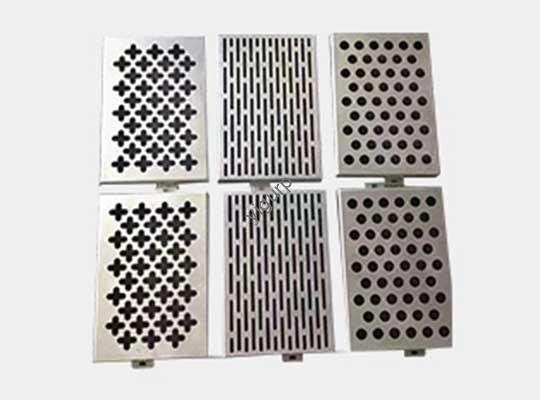
Lorsque vous travaillez avec de la tôle, que ce soit pour des pièces automobiles, construction, or consumer goods—understandingsheet metal thickness standards et legauge system n'est pas négociable. Le système de jauge utilise une méthode contre-intuitive, échelle non linéaire (nombres plus petits = métal plus épais) cela peut dérouter même les ingénieurs expérimentés. Ce guide explique le fonctionnement du système de jauge, fournit des tableaux de comparaison détaillés pour 7 métaux communs (acier, aluminium, cuivre, et plus), shares real-world application examples, and answers critical questions to help you choose the right thickness for your project.
D'abord: What Is the Sheet Metal Gauge System?
Unlike the metric system (which measures thickness directly in millimeters), the sheet metal gauge system is a historical standard based onweight per square foot of metal. Cela signifie:
- Le smaller the gauge number, le thicker the metal (par ex., 3 gauge steel = 6.07mm thick; 38 gauge steel = 0.15mm thick).
- Gauge standards vary by metal type (par ex., 10 gauge steel is thicker than 10 gauge aluminum)—density differences cause this variation.
Key Thickness Limits for “Sheet Metal”
By industry standard, metal is classified as “sheet metal” only if its thickness falls within a specific range:
- Lower limit: 0.5mm (thinner than this is considered foil, not sheet metal).
- Upper limit: 6mm (thicker than this is classified as “plate metal” and follows different standards).
Note: Regional variations exist—some countries consider 8mm the upper limit for sheet metal. Always confirm with your supplier if working on international projects.
Sheet Metal Gauge Comparison Tables (By Metal Type)
Below are detailed gauge-to-thickness conversion tables for the 7 most commonly used metals in sheet metal processing. All measurements include both inches and millimeters for global compatibility.
1. Standard Steel Gauge Table
Standard steel (acier doux) est utilisé pour les pièces structurelles, parenthèses, and machinery components. Its gauge scale is the most widely referenced in manufacturing.
| Jauge | Épaisseur (dans) | Épaisseur (mm) | Best Use Case |
|---|---|---|---|
| 3 | 0.239 | 6.073 | Heavy structural beams, industrial machinery frames |
| 4 | 0.224 | 5.695 | Large storage tanks, supports robustes |
| 5 | 0.209 | 5.314 | Truck bed floors, construction supports |
| 8 | 0.164 | 4.176 | Metal doors, safety barriers |
| 10 | 0.135 | 3.416 | Load-bearing brackets, pièces de châssis automobile |
| 12 | 0.105 | 2.657 | Conduits CVC, metal shelving |
| 16 | 0.060 | 1.519 | Coffrets électriques, light-duty brackets |
| 20 | 0.036 | 0.912 | Thin metal panels, garniture décorative |
| 30 | 0.012 | 0.305 | Precision electronics components, thin covers |
| 38 | 0.006 | 0.152 | Ultra-thin parts (rarely used for structural needs) |
2. Galvanized Steel Gauge Table
Galvanized steel has a zinc coating for corrosion resistance, making it ideal for outdoor or wet environments. Its gauge thickness includes the zinc layer (adds ~0.1mm to base steel thickness).
| Jauge | Épaisseur (dans) | Épaisseur (mm) | Best Use Case |
|---|---|---|---|
| 8 | 0.168 | 4.270 | Outdoor fences, garden sheds |
| 10 | 0.138 | 3.510 | Panneaux de toiture, gutter systems |
| 12 | 0.108 | 2.753 | Outdoor furniture frames, mailboxes |
| 16 | 0.064 | 1.613 | Ventilation grilles, outdoor light fixtures |
| 20 | 0.040 | 1.006 | Thin roofing flashing, decorative outdoor trim |
3. Stainless Steel Gauge Table
Acier inoxydable (304/316 notes) is corrosion-resistant and used for medical devices, équipement de transformation des aliments, and marine parts. It has a wider gauge range than standard steel.
| Jauge | Épaisseur (dans) | Épaisseur (mm) | Best Use Case |
|---|---|---|---|
| 000 | 0.375 | 9.525 | Marine hull components, heavy-duty food processing tanks |
| 3 | 0.250 | 6.350 | Industrial kitchen equipment, large chemical containers |
| 8 | 0.172 | 4.366 | Stainless steel sinks, countertop supports |
| 12 | 0.109 | 2.779 | Boîtiers pour dispositifs médicaux, food conveyor belts |
| 16 | 0.063 | 1.588 | Couverts, small kitchen appliances |
| 20 | 0.038 | 0.953 | Thin stainless steel panels, boîtiers électroniques |
| 30 | 0.013 | 0.318 | Precision medical instruments, small sensor housings |
4. Carbon Steel Gauge Table
Acier au carbone (high-carbon) is stronger than standard steel but less corrosion-resistant. It’s used for tools, ressorts, and high-strength parts.
| Jauge | Épaisseur (dans) | Épaisseur (mm) | Best Use Case |
|---|---|---|---|
| 3 | 0.239 | 6.07 | Heavy-duty tool bases, industrial springs |
| 8 | 0.164 | 4.18 | Metal cutting tools, engrenages de machines |
| 10 | 0.134 | 3.42 | Pièces de suspension automobile, high-strength brackets |
| 16 | 0.060 | 1.52 | Small tool components, thin springs |
5. Aluminum Sheet Gauge Table
Aluminum is lightweight (1/3 le poids de l'acier) et résistant à la corrosion, making it ideal for aerospace, automobile, et biens de consommation. Its gauge scale is thinner than steel for the same number.
| Jauge | Épaisseur (dans) | Épaisseur (mm) | Best Use Case |
|---|---|---|---|
| 6 | 0.162 | 4.115 | Aircraft structural parts, heavy aluminum frames |
| 10 | 0.102 | 2.588 | Panneaux de carrosserie automobile, aluminum ladders |
| 16 | 0.051 | 1.290 | Boîtiers pour ordinateurs portables, canettes de boissons (thinner grades) |
| 20 | 0.032 | 0.813 | Cadres pour smartphones, thin aluminum sheets for signage |
| 30 | 0.010 | 0.254 | Ultra-thin aluminum foil (for packaging, not structural use) |
6. Copper Sheet Gauge Table
Copper is highly conductive and malleable, used for electrical wiring, plomberie, and decorative applications. Its gauge scale is thicker than aluminum but thinner than steel for the same number.
| Jauge | Épaisseur (dans) | Épaisseur (mm) | Best Use Case |
|---|---|---|---|
| 7 | 0.180 | 4.572 | Heavy copper pipes, industrial electrical busbars |
| 10 | 0.134 | 3.404 | Medium-duty plumbing pipes, decorative copper panels |
| 16 | 0.065 | 1.651 | Electrical wiring insulation, thin copper sheets for crafts |
| 24 | 0.022 | 0.559 | Precision electrical components, garniture décorative |
7. Brass Sheet Gauge Table
Laiton (copper-zinc alloy) is corrosion-resistant and has an attractive gold-like finish. It’s used for decorative parts, instruments de musique, and plumbing fittings.
| Jauge | Épaisseur (dans) | Épaisseur (mm) | Best Use Case |
|---|---|---|---|
| 7 | 0.144 | 3.665 | Musical instrument bells, heavy brass fixtures |
| 10 | 0.102 | 2.588 | Decorative wall panels, brass hardware |
| 16 | 0.051 | 1.291 | Small brass fittings, composants de bijoux |
| 24 | 0.020 | 0.511 | Thin brass sheets for engraving, garniture décorative |
How to Choose the Right Sheet Metal Thickness (Étape par étape)
Selecting the correct thickness isn’t just about gauge numbers—it depends on your project’s load, environnement, and manufacturing process. Suivez-les 4 mesures:
Étape 1: Define Load Requirements
- Heavy load (par ex., poutres structurelles, truck beds): Choose 3–10 gauge (4–6mm thick) steel or aluminum.
- Medium load (par ex., étagères, parenthèses): Choose 12–16 gauge (1.5–2.7mm thick).
- Light load (par ex., garniture décorative, boîtiers électroniques): Choose 18–24 gauge (0.7–1.2mm thick).
Exemple: A construction company needed brackets for a 500kg load. Ils ont choisi 8 acier de calibre (4.18mm d'épaisseur)—12 gauge (2.66mm) would have bent under the weight.
Étape 2: Consider Environmental Conditions
- Outdoor/wet environments: Use galvanized steel (10–16 gauge) ou en acier inoxydable (12–20 gauge) pour la résistance à la corrosion.
- Indoor/dry environments: Standard steel (12–20 gauge) ou aluminium (16–24 gauge) works—cheaper than corrosion-resistant metals.
Étude de cas: A garden furniture maker switched from standard steel (16 jauge) to galvanized steel (16 jauge) for outdoor chairs. The galvanized chairs lasted 5 années (contre. 2 ans pour l'acier standard) sans rouiller.
Étape 3: Match Thickness to Manufacturing Process
- Usinage CNC: Thicker metal (8–12 gauge) is easier to machine—thin metal (20+ jauge) bends during cutting.
- Bending/Forming: Medium thickness (16–20 gauge) is ideal—too thick (8–12 gauge) cracks when bent; too thin (24+ jauge) warps.
- Soudage: Thicker metal (10–16 gauge) creates stronger welds—thin metal (20+ jauge) burns through during welding.
Conseil: For parts that need both bending and welding (par ex., cadres métalliques), 16 gauge steel is the sweet spot.
Étape 4: Use the Gauge Comparison Table to Verify
Once you’ve narrowed down your needs, cross-check with the appropriate gauge table. Par exemple:
- Besoin d'un poids léger, corrosion-resistant part for a laptop casing? Utiliser 20 gauge aluminum (0.813mm d'épaisseur) from the aluminum gauge table.
- Need a heavy-duty structural part for a truck? Utiliser 8 gauge standard steel (4.176mm d'épaisseur) from the standard steel table.
Common Myths About Sheet Metal Gauge (Démystifié)
Myths about the gauge system lead to costly mistakes. Voici 3 common misconceptions:
Mythe 1: “All metals use the same gauge scale.”
Fact: Gauge varies by metal density. UN 10 gauge steel sheet (3.416mm) is thicker than a 10 gauge aluminum sheet (2.588mm)—aluminum is less dense, so the same gauge number corresponds to a thinner thickness. Always use the metal-specific gauge table.
Mythe 2: “Thicker metal is always more corrosion-resistant.”
Fact: Thickness only affects howlong metal takes to corrode—not if it corrodes. A thin stainless steel sheet (20 jauge, 0.953mm) is more corrosion-resistant than a thick standard steel sheet (8 jauge, 4.176mm) because stainless steel has chromium, which prevents rust.
Mythe 3: “Gauge is more accurate than metric thickness.”
Fact: Metric thickness (mm) is a direct measurement—gauge is a historical weight-based standard with slight variations between suppliers. Pour les pièces critiques (par ex., dispositifs médicaux), specify thickness in millimeterset gauge to avoid confusion.
Yigu Technology’s Perspective on Sheet Metal Thickness & Jauge
Chez Yigu Technologie, we help clients navigate the gauge system to avoid costly errors. For structural parts, we recommend referencing the standard steel or stainless steel gauge tables and prioritizing thickness over gauge number. For lightweight or corrosion-sensitive projects, we guide clients to aluminum or galvanized steel, using their specific gauge tables to find the right balance of strength and weight. We also provide sample pieces of different gauges, so clients can see and test thickness before full production. Pour nous, the gauge system is a tool—but the goal is always to match thickness to your project’s unique needs, not just follow a number.
FAQ About Sheet Metal Thickness Standard & Jauge
1. Can I use a steel gauge table for aluminum parts?
No—aluminum has a different gauge scale than steel. UN 10 gauge steel sheet (3.416mm) is thicker than a 10 gauge aluminum sheet (2.588mm). Using the wrong table will result in a part that’s too thin (if you use steel gauge for aluminum) or too thick (if you use aluminum gauge for steel).
2. What’s the difference between “sheet metal” and “plate metal”?
Sheet metal has a thickness of 0.5–6mm (jauge 38 to gauge 3). Plate metal is thicker than 6mm (no standard gauge) and is used for heavy-duty applications like bridges or ship hulls. Always confirm if your project requires sheet or plate metal—using plate metal when sheet metal works wastes money.
3. How do I convert gauge to millimeters if I don’t have a table?
Pour la plupart des métaux, you can use a general rule (but always verify with a metal-specific table):
- Acier: Jauge 10 = ~3.4mm, jauge 16 = ~1.5mm, jauge 20 = ~0.9mm.
- Aluminium: Jauge 10 = ~2.6mm, jauge 16 = ~1.3mm, jauge 20 = ~0.8mm.
Pour les pièces critiques, never rely on estimates—use the official gauge tables provided in this guide.