
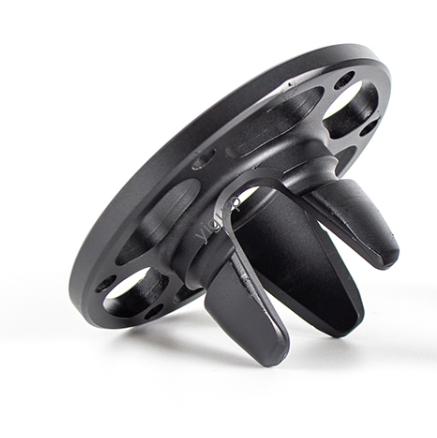
If you’re in Usinage CNC, conception de produits, ou fabrication industrielle, you’ve probably relied on sheet metal fabrication technology to create parts. Des boîtiers électroniques au châssis de voiture, ce processus transforme les tôles plates en éléments fonctionnels, composants durables. Mais avec tant de coupures, flexion, et méthodes d'assemblage disponibles, how do you choose the right approach for your project? This guide breaks down everything you need to know about sheet metal fabrication—from core processes to real-world applications—to help you make informed decisions.
What Is Sheet Metal Fabrication Technology?
At its simplest, fabrication de tôle is a set of manufacturing processes that shape flat metal sheets (typically 0.15mm–10mm thick) into 3D parts or structures. Contrairement au casting (which melts metal) ou forger (which hammers metal), fabrication works with pre-flattened metal, making it fast and cost-effective for both small prototypes and large production runs.
The raw material here is flat sheet metal, and the end products are everywhere: think computer cases, Conduits CVC, supports métalliques, and even musical instrument parts. What makes this technology stand out? It balances precision with scalability—you can make 1 custom part or 10,000 identical ones without sacrificing quality.
Core Processes of Sheet Metal Fabrication
Turning a flat metal sheet into a finished part usually requires three key steps: enlèvement de matière (coupe), déformation (bending/forming), et assemblée. These steps are almost always done in order, and each uses specialized tools to ensure accuracy. Décomposons-les.
1. Enlèvement de matière: Cutting the Metal to Shape
The first step is cutting the flat sheet into the basic outline of your part. For precision and speed, la plupart des magasins utilisent CNC (Commande numérique par ordinateur) technologies—these automate the cutting process, réduire l'erreur humaine. Here are the three most common CNC cutting methods, with their pros, inconvénients, et utilisations idéales:
| Cutting Method | Comment ça marche | Spécifications clés | Idéal pour |
| Découpe Laser | Uses a high-density laser beam to melt, evaporate, or burn through metal. Common laser types: CO₂ (pour matériaux fins), sd (for engraving), sd:YAG (for thick metals). | – Max thickness: 15mm (aluminium), 6mm (acier)- Tolérance: ~0.1mm- Matériels: Aluminium, acier, cuivre, acier inoxydable | Mince, pièces précises (supports électroniques, panneaux décoratifs) |
| Découpe au jet d'eau | Uses a high-pressure water stream (with abrasive particles for hard metals) to slice through material. No heat is generated. | – Max thickness: Varies by material (par ex., 100mm+ for steel)- Tolérance: 0.05mm–0.1mm (most accurate CNC method)- Matériels: Métaux, bois, mousse, polymères | Parts where heat would damage the material (outils médicaux, engrenages de précision) |
| Découpe Plasma | Converts gas into plasma (via heat/energy), then blasts the plasma at the metal to melt it. Only works on conductive materials. | – Max thickness: 300mm (aluminium), 200mm (acier)- Tolérance: 0.2mm- Matériels: Acier, aluminium, cuivre, acier inoxydable | Thick metal parts (industrial machinery frames, composants de coque de navire) |
Exemple concret: A maker of electric vehicles uses coupage au plasma to create 200mm-thick aluminum chassis parts—plasma is faster and cheaper than laser or waterjet for thick metals. Entre-temps, a company making smartphone cases relies on CO₂ laser cutting to get precise 2mm-thick aluminum outlines with clean edges.
2. Deformation: Bending the Metal into Shape
Once the metal is cut, it’s time to shape it into 3D forms. This step is called déformation, and it uses force (from hydraulics, meurt, or electromagnetic brakes) to bend or stretch the metal without breaking it. The most common deformation process is flexion:
- Comment ça marche: A CNC press brake clamps the metal sheet and uses a punch to bend it at a specific angle (par ex., 90° for a bracket). Meurt (custom-shaped tools) ensure the bend is consistent across every part.
- Key specs: Bending accuracy is usually ±0.5°, and most presses can handle sheets up to 3 mètres de long.
- Exemple: A furniture manufacturer bends 1mm-thick steel sheets into 90° angles to make the frames of metal chairs. The CNC press brake ensures every chair leg has the exact same bend, so the chairs don’t wobble.
Other deformation processes include estampillage (using dies to press patterns into metal, like decorative grilles) et dessin (stretching metal into hollow shapes, like metal cups or fuel tanks).
3. Assemblée: Putting Parts Together
The final step is assembling the cut and bent parts into a finished product. This uses methods that join metal parts securely, with no risk of coming loose. Common assembly techniques:
- Soudage: Uses heat to melt and fuse metal parts (great for strong, permanent joins—like car chassis).
- Brazing: Similar to welding, but uses a lower-temperature metal alloy to join parts (ideal for delicate electronics components).
- Rivetage: Uses metal fasteners (rivets) to clamp parts together (common in aerospace parts, where welding might weaken the metal).
- Adhésifs: Industrial glue for parts that can’t be welded or riveted (like lightweight aluminum brackets in medical devices).
Étude de cas: A manufacturer of industrial robots assembles robot arms by welding 5mm-thick steel brackets to aluminum plates. They then use rivets to attach plastic covers—this mix of methods ensures the arm is strong enough to lift heavy loads but light enough to move quickly.
Best Materials for Sheet Metal Fabrication
Not all metals work for sheet metal fabrication—you need materials that are thin enough to cut and bend, but strong enough to hold their shape. Here’s a breakdown of the most popular options, with their common grades and uses:
| Type de matériau | Notes communes | Propriétés clés | Applications idéales |
| Aluminium & Alliages | 1050P., 1100P., 5052, 6082 | Léger, résistant à la corrosion, easy to bend. | Boîtiers électroniques, pièces d'avion, mobilier d'extérieur. |
| Cuivre & Alliages | H62 Copper, Zinc Cupronickel | Excellente conductivité, malléable. | Composants électriques (wiring, dissipateurs de chaleur), pièces décoratives. |
| Acier inoxydable | SUS 301, SUS 304, SUS 316L | Résistant à la rouille, fort, facile à nettoyer. | Outils médicaux, équipement de transformation des aliments, appareils de cuisine. |
| Acier | Q235, Q345, SECC (Galvanized) | Durable, abordable, haute résistance. | Car parts, poutres de construction, machines industrielles. |
Exemple: A medical device maker uses SUS 316L stainless steel for surgical instrument trays—this grade is corrosion-resistant, so it can be sterilized with harsh chemicals without rusting.
Post-traitement: Finishing the Part
Après assemblage, most sheet metal parts need post-traitement to improve their appearance, durabilité, ou fonctionnalité. Here are the most common steps:
- Anodisation: Crée une couche d'oxyde protectrice sur l'aluminium (we covered this in detail in our anodizing guide!). It prevents rust and lets you add color (like black or silver for electronics cases).
- Revêtement en poudre: Sprays a dry powder onto the metal, then bakes it to form a hard coating. Great for outdoor parts (like patio furniture) because it resists fading.
- Peinture: Adds color with liquid paint—cheaper than powder coating but less durable. Utilisé pour les pièces intérieures (like office desk frames).
- Grenaillage: Blasts small metal balls at the part to strengthen the surface. Used for high-stress parts (like car suspension brackets).
- Traitement thermique: For welded or bent parts—heats the metal to remove residual stress (prevents the part from warping over time).
Utilisation dans le monde réel: A company making outdoor grills uses revêtement en poudre on steel frames—this finish resists rain and UV rays, so the grills don’t rust or fade for 5+ années.
Key Advantages of Sheet Metal Fabrication Technology
Why choose sheet metal fabrication over other manufacturing methods (like 3D printing or casting)? Here are its biggest benefits:
- Durabilité: Fabricated parts are made from solid metal, so they last longer than plastic or 3D-printed parts. A sheet metal electronics enclosure, Par exemple, can withstand drops and impacts that would crack a plastic case.
- Évolutivité: Que vous ayez besoin 1 prototype ou 100,000 parties, fabrication scales easily. CNC machines can repeat the same process hundreds of times with no variation.
- Rentabilité: Pour les grandes séries, fabrication is cheaper than 3D printing. Par exemple, fabrication 1,000 steel brackets via fabrication costs ~50% less than 3D printing them.
- Polyvalence des matériaux: Vous pouvez utiliser de l'aluminium, acier, cuivre, or stainless steel—each with unique properties. This means you can pick the material that fits your part’s needs (par ex., lightweight aluminum for drones, strong steel for construction).
- Délai d'exécution rapide: CNC cutting and bending are fast. A simple bracket can go from design to finished part in 1–2 days, compared to a week for casting.
Industries That Rely on Sheet Metal Fabrication
Almost any industry that uses metal parts needs sheet metal fabrication. Here are the top sectors, with examples of how they use the technology:
- Électronique: Makes enclosures for computers, Téléviseurs, and circuit boards (uses thin aluminum or steel).
- Automobile: Creates car chassis, panneaux de porte, and engine brackets (uses strong steel or aluminum alloys).
- Médical: Builds surgical tool trays, MRI machine frames, and wheelchair parts (uses rust-resistant stainless steel).
- Construction: Produces HVAC ducts, roof panels, et supports structurels (uses durable steel).
- Meubles: Makes metal chair frames, table legs, and cabinet hardware (uses aluminum or powder-coated steel).
- Aérospatial: Creates lightweight aircraft parts (uses aluminum alloys for fuel efficiency).
Yigu Technology’s Take on Sheet Metal Fabrication Technology
Chez Yigu Technologie, we see sheet metal fabrication as a backbone of modern manufacturing. For clients needing precision parts (like electronics enclosures), we recommend laser cutting for thin metals and waterjet cutting for heat-sensitive components. For heavy-duty parts (like industrial brackets), plasma cutting and steel materials work best. We also pair fabrication with post-processing—like anodizing for aluminum parts—to boost durability. Our team helps you pick the right process, matériel, and finish to meet your project’s goals, whether you’re making 1 prototype ou 10,000 pièces de production.
FAQ:
1. Can sheet metal fabrication make complex shapes (like curved parts)?
Oui! While cutting methods (like laser) handle straight edges, deformation processes like dessin ou profilage can create curved or hollow shapes. Par exemple, a manufacturer makes curved aluminum fuel tanks by drawing flat sheets into a hollow, curved mold. Just note that complex shapes may need custom dies, which add small upfront costs.
2. What’s the minimum/maximum thickness of metal for sheet metal fabrication?
Most shops work with metal sheets 0.15mm–10mm thick. Thinner sheets (0.15mm–1mm) are great for electronics parts, while thicker sheets (5mm–10 mm) are used for heavy-duty parts like machinery frames. If you need metal thicker than 10mm, you’ll likely need forging (not fabrication).
3. Is sheet metal fabrication cheaper than 3D printing for small batches?
It depends on the batch size. For 1–10 parts, 3L'impression D est souvent moins chère (pas besoin d'outils de coupe personnalisés). But for 50+ parties, fabrication is cheaper—CNC machines can produce parts faster, and material costs are lower. Par exemple, 10 aluminum brackets cost ~€80 via 3D printing, but only €40 via laser cutting and bending.