
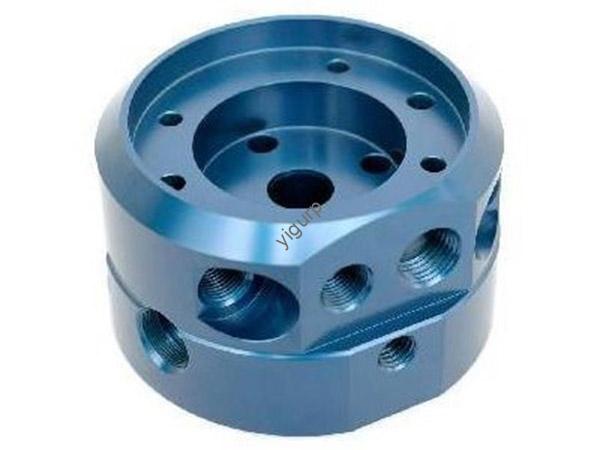
L'acier à outils S1 est un acier polyvalent pour travail à froid faiblement allié, célèbre pour son mélange équilibré de bonne résistance à l'usure, haute ténacité, et une excellente usinabilité - caractéristiques rendues possibles par son composition chimique (carbone modéré, chrome, et ajouts de manganèse). Contrairement aux aciers à outils fortement alliés (par ex., D2 ou M2), il donne la priorité à la convivialité et à la rentabilité, ce qui le rend idéal pour les outils de coupe à contraintes faibles à moyennes, matrices de formage, et composants de précision dans l'aérospatiale, automobile, et génie mécanique. Dans ce guide, nous allons décomposer ses principales caractéristiques, utilisations réelles, procédés de fabrication, et comment il se compare à d'autres matériaux, vous aidant à le sélectionner pour des projets qui exigent de la fiabilité sans coût excessif.
1. Propriétés matérielles clés de l'acier à outils S1
Les performances du S1 proviennent de son optimisation composition chimique, qui offre des propriétés physiques et mécaniques constantes adaptées aux tâches de travail à froid et de coupe légère.
Composition chimique
La formule de S1 donne la priorité à la ténacité et à l'usinabilité, avec des plages fixes pour les éléments clés:
- Teneur en carbone: 0.40-0.50% (suffisamment bas pour maintenir haute ténacité pour former des matrices, suffisamment haut pour former de petits carbures pour bonne résistance à l'usure)
- Teneur en chrome: 0.50-0.70% (un ajout modeste améliore la trempabilité et la légère résistance à la corrosion, sans réduire l'usinabilité)
- Teneur en manganèse: 0.50-0.80% (augmente la résistance à la traction et la trempabilité, garantissant des résultats de traitement thermique uniformes)
- Teneur en silicium: 0.15-0.35% (facilite la désoxydation pendant la fabrication et stabilise les propriétés mécaniques)
- Teneur en phosphore: ≤0,03% (strictement contrôlé pour éviter la fragilité au froid, essentiel pour les outils utilisés dans des environnements à basse température)
- Teneur en soufre: ≤0,03% (ultra-faible pour maintenir la ténacité et éviter les fissures pendant l'usinage ou le formage)
Propriétés physiques
| Propriété | Valeur typique fixe pour l'acier à outils S1 |
| Densité | ~7,85 g/cm³ (compatible avec les conceptions d'outils et de composants standard) |
| Conductivité thermique | ~35 W/(m·K) (à 20 °C — permet une dissipation efficace de la chaleur lors de la découpe légère, réduire la surchauffe de l'outil) |
| Capacité thermique spécifique | ~0,48 kJ/(kg·K) (à 20°C) |
| Coefficient de dilatation thermique | ~11 x 10⁻⁶/°C (20-500°C : minimise les changements dimensionnels dans les outils de précision, garantir une qualité constante des pièces) |
| Propriétés magnétiques | Ferromagnétique (conserve le magnétisme dans tous les états de traitement thermique, compatible avec les aciers à outils pour travail à froid) |
Propriétés mécaniques
Après traitement thermique standard (recuit + trempe + trempe), S1 offre des performances fiables pour les applications à contraintes faibles à moyennes:
- Résistance à la traction: ~1 000-1 200 MPa (convient aux outils de coupe légers et aux matrices de formage à faible contrainte)
- Limite d'élasticité: ~800-1 000 MPa (garantit que les outils résistent à la déformation permanente sous une pression de formage à froid ou sous de légères charges de coupe)
- Élongation: ~15-20% (dans 50 mm—plus élevé que la plupart des aciers à outils, facilitant l'usinage de formes complexes sans fissures)
- Dureté (Échelle Rockwell C): 50-55 CRH (après traitement thermique – idéal pour équilibrer la résistance à l’usure et la ténacité; plus doux que A2 mais plus ductile)
- Résistance à la fatigue: ~500-600 MPa (à 10⁷ cycles – critique pour les outils à volume moyen utilisés 50,000+ fois, comme des petites matrices d'estampage)
- Résistance aux chocs: Modéré à élevé (~50-60 J/cm² à température ambiante)—supérieur à A2, D2, ou M2, ce qui le rend adapté aux outils résistant à des impacts mineurs (par ex., outils de coupe manuels).
Autres propriétés critiques
- Bonne résistance à l'usure: Les carbures de carbone et de chrome résistent à l'abrasion, prolonger la durée de vie de l'outil (par ex., 100,000+ cycles pour petites matrices d'estampage) et réduire la fréquence de remplacement.
- Bonne ténacité: Sa composition faiblement alliée conserve la ductilité, donc S1 résiste à la pression de formage à froid (jusqu'à 4,000 kN pour petites matrices) sans écaillage.
- Usinabilité: Bien (avant traitement thermique)-recuit S1 (dureté ~180-220 Brinell) est facile à usiner avec de l'acier rapide (HSS) ou outils en carbure; le meulage après traitement thermique est simple pour les bords de précision.
- Soudabilité: Avec prudence : une teneur modérée en carbone nécessite un préchauffage (200-250°C) et revenu après soudure pour éviter les fissures, le rendant réparable pour les modifications d'outils.
2. Applications concrètes de l'acier à outils S1
La polyvalence du S1, abordabilité, et sa robustesse le rendent idéal pour les industries qui exigent des performances fiables pour les tâches à stress léger à moyen. Voici ses utilisations les plus courantes:
Outils de coupe
- Fraises: Petites fraises pour l'usinage des métaux mous (par ex., aluminium ou laiton) utiliser S1—bonne résistance à l'usure maintient la netteté pour 500+ parties, et l'usinabilité permet des géométries de coupe personnalisées.
- Outils de tournage: Outils de tour manuels pour les amateurs ou le travail des métaux en petites séries S1 : la robustesse résiste aux chocs accidentels, et l'abordabilité convient aux projets à faible volume.
- Broches: Petites broches internes pour façonner des pièces en plastique ou en acier doux (par ex., engrenages de jouets) utilisez S1 : l'usinabilité crée des dents de broche précises, et poignées résistantes à l'usure 10,000+ parties.
- Alésoirs: Alésoirs à tolérance moyenne (±0,01 mm) pour le travail du bois ou les pièces en plastique, utilisez S1 : la rétention des bords garantit une qualité de trou constante sans réaffûtage fréquent.
Exemple de cas: Un petit atelier d'usinage utilisait de l'acier à faible teneur en carbone pour les outils de tournage en aluminium, mais il s'est retrouvé émoussé par la suite. 200 parties. Ils sont passés au S1, et les outils ont duré 600 parties (200% plus long)—réduire les coûts de remplacement des outils de coupe $8,000 annuellement.
Outils de formage
- Poinçons: Petits outils de poinçonnage à froid pour tôle (par ex., créer des trous dans les supports en aluminium) utiliser S1—dureté résiste au poinçonnage manuel ou à faible vitesse, et poignées résistantes à l'usure 80,000+ coups de poing.
- Meurt: Matrices d'estampage pour feuilles de plastique fines (par ex., emballage ou étiquettes) utiliser S1 : l'usinabilité permet des cavités de matrice complexes, et la ténacité évite les fissures lors de l'assemblage de la matrice.
- Outils d'estampage: Outils d'estampage pour amateurs ou petits lots (par ex., fabrication de bijoux) utiliser S1 : le prix abordable convient aux besoins de faible production, et la ténacité résiste aux désalignements occasionnels.
Aérospatial, Automobile & Génie mécanique
- Industrie aérospatiale: Petits composants non porteurs (par ex., fixations intérieures d'avions) utiliser S1—stabilité dimensionnelle assure l'ajustement, et l'usinabilité permet des tolérances serrées pour l'assemblage.
- Industrie automobile: Composants à faible contrainte (par ex., attaches de garniture en plastique ou moules à joints en caoutchouc) utiliser S1 : la robustesse résiste à la pression de serrage du moule, et la rentabilité convient à la production en grand volume.
- Génie mécanique: Petits engrenages et arbres pour machines légères (par ex., appareils électroménagers) utiliser S1 : la résistance à la fatigue résiste aux contraintes répétées, et l'abordabilité réduit les coûts des composants.
3. Techniques de fabrication de l'acier à outils S1
La production de S1 nécessite de la précision pour maintenir son équilibre chimique et garantir des performances constantes de travail à froid, tout en maintenant les coûts à un niveau bas.. Voici le processus détaillé:
1. Processus métallurgiques (Contrôle de la composition)
- Four à arc électrique (AEP): Méthode principale : ferraille d'acier, carbone, et de petites quantités de chrome fondent à 1 600-1 700°C. Moniteur de capteurs composition chimique pour garder les éléments dans les plages de S1 (par ex., 0.40-0.50% carbone), essentiel pour équilibrer la ténacité et la résistance à l’usure.
- Four à oxygène de base (BOF): Pour la production à grande échelle, le fer en fusion provenant d'un haut fourneau est mélangé à de la ferraille d'acier.; l'oxygène ajuste la teneur en carbone. Le chrome est ajouté après soufflage pour éviter l'oxydation et garantir une composition précise.
2. Processus de roulement
- Laminage à chaud: L'alliage fondu est coulé en lingots, chauffé à 1 050-1 150°C, et roulé en barres, assiettes, ou du fil. Le laminage à chaud décompose les gros carbures et façonne le matériau en ébauches d'outils. (par ex., 200×200 blocs de mm pour petites matrices).
- Laminage à froid: Utilisé pour les composants d'outils minces (par ex., perforer des blancs)—laminé à froid à température ambiante pour améliorer la finition de surface. Recuit post-roulage (650-700°C) adoucit l'acier pour un usinage ultérieur.
3. Traitement thermique (Adapté à la robustesse)
Le traitement thermique du S1 donne la priorité à la ténacité plutôt qu'à l'extrême dureté., ce qui le rend adapté aux tâches de stress léger à moyen:
- Recuit: Chauffé à 750-800°C pendant 2-3 heures, refroidi lentement à ~ 600°C. Réduit la dureté à 180-220 Brinell, le rendant usinable et soulageant les contraintes internes.
- Trempe: Chauffé à 820-860°C (austénitisant) pour 20-30 minutes, trempé dans l'huile. Durcit l'acier pour 55-58 HRC—trempe plus lente (contre. D2) conserve sa ténacité.
- Trempe: Réchauffé à 250-300°C pendant 1-2 heures, refroidi par air. Réduit la dureté à 50-55 HRC : équilibre la résistance à l'usure et la ténacité; températures de revenu plus élevées (350-400°C) peut être utilisé pour plus de ductilité.
- Recuit de détente: Appliqué après usinage - chauffé à 550-600°C pendant 1 heure pour réduire le stress de coupe, empêchant la déformation de l'outil lors du traitement thermique final.
4. Formage et traitement de surface
- Méthodes de formage:
- Formage à la presse: Petites presses hydrauliques (2,000-3,000 tonnes) façonner les ébauches S1 en contours de matrice ou d'outil - effectué avant le traitement thermique.
- Usinage: Les fraiseuses CNC ou les tours manuels découpent S1 en formes d'outils (par ex., flûtes d'alésoir ou pointes de poinçon)—Les outils HSS fonctionnent pour le S1 recuit, réduire les coûts d'usinage.
- Affûtage: Après traitement thermique, les meules en oxyde d'aluminium affinent les bords des outils jusqu'à Ra 0.1 Rugosité μm – suffisante pour les applications à tolérance moyenne.
- Traitement de surface:
- Nitruration: Chauffé à 480-520°C dans une atmosphère d'azote pour former un 3-5 Couche de nitrure de μm : augmente la résistance à l'usure de 20% (idéal pour les matrices d'estampage à grand volume).
- Revêtement (PVD/CVD): Nitrure de titane fin (PVD) les revêtements sont facultatifs pour les outils de coupe – réduit la friction, prolongeant la durée de vie de l'outil de 1,5x pour l'usinage de l'aluminium.
- Durcissement: Traitement thermique final (trempe + trempe) est suffisant pour la plupart des applications - aucun durcissement de surface supplémentaire n'est nécessaire.
5. Contrôle de qualité (Assurance de performance et d’abordabilité)
- Test de dureté: Les tests Rockwell C vérifient la dureté après revenu (50-55 CRH)—garantit la cohérence des performances de l'outil.
- Analyse de la microstructure: Examine l'alliage au microscope pour confirmer la répartition uniforme du carbure (pas de gros carbures qui provoquent des problèmes d'usinage ou des pannes d'outils).
- Contrôle dimensionnel: Pieds à coulisse ou machines à mesurer tridimensionnelles (MMT) Vérifiez les dimensions de l'outil à ± 0,005 mm, ce qui est essentiel pour les applications à tolérance moyenne telles que les moules de pièces en plastique..
- Test d'usure: Simule le formage à froid (par ex., emboutissage de feuilles d'aluminium) pour mesurer la durée de vie de l'outil : garantit que S1 répond aux attentes en matière de durabilité pour les applications cibles.
- Essais de traction: Vérifie la résistance à la traction (1000-1200 MPa) et la limite d'élasticité (800-1000 MPa) pour répondre aux spécifications S1.
4. Étude de cas: Acier à outils S1 dans les matrices d'estampage en petits lots
Un petit fabricant d'électronique a utilisé de l'acier à outils A2 pour estamper de minces connecteurs en aluminium. (10,000 pièces/an) mais j'ai été confronté à deux problèmes: coûts d'usinage élevés (en raison de la moindre usinabilité de l’A2) et la matrice se fissure suite à un impact accidentel. Ils sont passés au S1, avec les résultats suivants:
- Coûts d'usinage: La meilleure usinabilité du S1 a réduit le temps CNC de 30%, économie $5,000 chaque année en travail.
- Durabilité de la matrice: La ténacité plus élevée du S1 élimine les fissures et la durée de vie de la matrice est prolongée de 15,000 à 30,000 parties (100% plus long), réduisant les coûts de remplacement en $4,000 annuellement.
- Économies de coûts: Malgré des coûts matériels initiaux similaires, le fabricant a sauvé $9,000 annuellement – critique pour les marges de production en petits lots.
5. Acier à outils S1 vs. Autres matériaux
Comment le S1 se compare-t-il aux aciers à outils et matériaux alternatifs pour les applications à contraintes légères à moyennes? Décomposons-le:
| Matériel | Coût (contre. S1) | Dureté (CRH) | Résistance à l'usure | Dureté | Usinabilité |
| Acier à outils S1 | Base (100%) | 50-55 | Bien | Haut | Bien |
| Acier à outils A2 | 120% | 52-60 | Très bien | Modéré | Bien |
| Acier à outils D2 | 150% | 60-62 | Excellent | Faible | Difficile |
| Acier à outils M2 | 200% | 62-68 | Excellent | Modéré | Bien |
| 420 Acier inoxydable | 130% | 50-55 | Bien | Modéré | Bien |
Adéquation des applications
- Outils de coupe en petits lots: L’abordabilité et l’usinabilité du S1 surpassent celles du A2/D2 (moindre coût) et 420 acier inoxydable (meilleure ténacité), idéal pour les amateurs ou les petits magasins.
- Matrices de formage léger: La haute ténacité du S1 le rend meilleur que le A2/D2 pour les matrices qui résistent à des chocs mineurs, adaptées à l'estampage manuel ou à basse vitesse.
- Composants non porteurs: Le rival du S1 en matière de rentabilité et de stabilité dimensionnelle 420 acier inoxydable – moins cher pour les pièces intérieures automobiles ou aérospatiales.
- Outils pour amateurs: L’équilibre entre performances et prix abordable du S1 le rend meilleur que le M2 (trop cher) pour un usage non commercial.
Le point de vue de Yigu Technology sur l'acier à outils S1
Chez Yigu Technologie, S1 se distingue comme étant rentable, solution conviviale pour les tâches à stress léger à moyen. C'est haute ténacité, bonne usinabilité, et son prix abordable le rendent idéal pour les petits fabricants, amateurs, et production en petites séries. Nous recommandons S1 pour les petites matrices d'estampage, outils de coupe manuels, et composants non porteurs, où il surpasse A2/D2 (meilleure ténacité) et offre plus de valeur que 420 acier inoxydable. Bien qu'il ne présente pas l'extrême résistance à l'usure des aciers fortement alliés, sa polyvalence et son faible coût correspondent à notre objectif d'accessibilité, des solutions de fabrication fiables pour des besoins divers.
FAQ
1. L'acier à outils S1 est-il adapté à l'usinage de métaux durs (par ex., acier trempé)?
Non : la dureté inférieure du S1 (50-55 CRH) le rend idéal pour les métaux mous à moyens (≤25 HRC, comme l'aluminium ou l'acier doux). Pour acier trempé (≥50 HRC), choisissez A2 ou D2 : ils ont une résistance à l’usure et une dureté plus élevées.
2. Le S1 peut-il être utilisé pour les applications de travail à chaud (par ex., marquage à chaud)?
Non : S1 a une faible dureté à chaud et se ramollira à des températures supérieures à 250 °C.. Pour les travaux à chaud, utiliser de l'acier à outils H13, qui conserve sa dureté à 600°C+ et résiste à la fatigue thermique.
3. Comment S1 se compare-t-il à 420 en acier inoxydable pour petits moules?
S1 et 420 ont une dureté similaire, mais S1 offre une ténacité plus élevée (meilleur pour le stress de l'assemblage du moule) et 20% moindre coût. 420 a une meilleure résistance à la corrosion – choisissez S1 pour les environnements secs (par ex., moules en plastique) et 420 pour les moisissures humides ou exposées aux produits chimiques.