
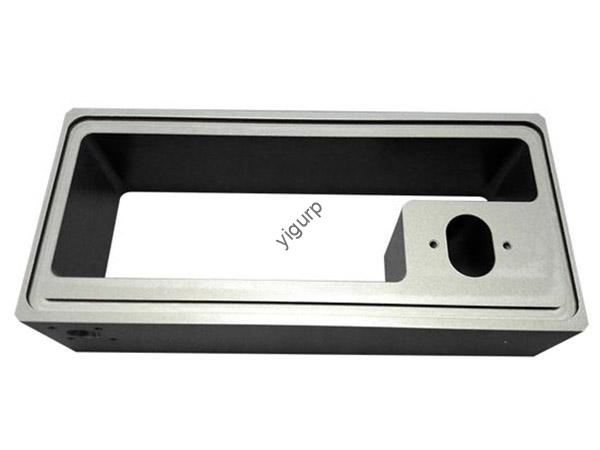
Si vous travaillez dans des secteurs comme l'exploitation minière, construction, ou agricole, vous savez à quel point il est essentiel de choisir des matériaux capables de supporter des températures élevées, porter, and heavy loads.NM400 Haute température stands out as a top choice for wear-resistant, besoins en matière de haute résistance, mais qu'est-ce qui le rend exactement si fiable? Ce guide détaille ses principales propriétés, utilisations réelles, procédés de fabrication, et comment il se compare à d'autres matériaux, with data and case studies to help you make informed decisions.
1. Material Properties of NM400 Hitemp
To understand whyNM400 Haute température works for tough applications, let’s start with its core properties. We’ve organized them into clear categories, with key data to highlight its strengths.
Chemical Composition
The performance ofNM400 Haute température starts with its carefully balanced chemistry. C'estchemical components are designed to boost strength and resistance to wear and heat. Here’s a breakdown of criticalalloying elements:
| Element | Proportion (Gamme typique) | Key Role |
|---|---|---|
| Carbon (C) | 0.18–0.25% | Enhances hardness and tensile strength |
| Manganese (Mn) | 1.00–1.60% | Improves toughness and workability |
| Silicium (Et) | 0.20–0.60% | Boosts oxidation resistance and strength |
| Chromium (Cr) | 0.50–1.00% | Increases wear and corrosion resistance |
| Other Trace Elements | ≤0.03% (P., S) | Reduces brittleness and improves purity |
This mix ensuresNM400 Haute température avoids common issues like cracking under heat or rapid wear.
Physical Properties
NM400 Haute température’s physical traits make it easy to work with while maintaining durability. Here are the most important values:
- Densité: 7.85 g/cm³ (same as standard steel, making it easy to calculate weight for designs)
- Point de fusion: 1450–1500°C (handles high-temperature environments like engine parts or industrial furnaces)
- Conductivité thermique: 45 W/(m·K) (dissipates heat well, éviter la surchauffe)
- Coefficient de dilatation thermique: 13.5 × 10⁻⁶/°C (minimizes warping when temperatures change)
- Magnetic Properties: Ferromagnetic (works for applications needing magnetic attraction)
Propriétés mécaniques
For heavy-duty use, propriétés mécaniques are non-negotiable.NM400 Haute température delivers exceptional strength and toughness:
- Résistance à la traction: ≥1100 MPa (can withstand extreme pulling forces without breaking)
- Yield Strength: ≥950 MPa (resists permanent deformation under load)
- Dureté: 360–440 HBW (Brinell), 38–45 HRC (Rockwell), or 370–450 HV (Vickers) (excellente résistance à l'usure)
- Résistance aux chocs: ≥40 J at -40°C (stays tough even in cold conditions, avoiding brittle fractures)
- Élongation: ≥10% (flexible enough for forming into parts like buckets or liners)
- Fatigue Resistance: 450 MPa (handles repeated stress, par ex., in rotating machinery, without failure)
Other Properties
Beyond the basics, NM400 Haute température has features that solve real-world problems:
- Résistance à la corrosion: Resists rust in damp environments (par ex., agricultural fields or mining sites) when painted or coated.
- Résistance à l'usure: 3x more wear-resistant than standard carbon steel (reduces replacement costs for high-wear parts).
- Oxidation Resistance: Withstands up to 600°C without significant rusting (ideal for high-temperature industrial use).
- Finition de surface: Typically delivered with a smooth mill finish (easy to paint or weld without extra preparation).
- Formabilité: Can be bent, rolled, or pressed into complex shapes (par ex., excavator arms or plow blades).
- Weldability: Works with common welding methods (MIG, TIG, arc welding) when using low-hydrogen electrodes (avoids weld cracks).
2. Real-World Applications of NM400 Hitemp
NM400 Haute température isn’t just a lab star—it proves its value in industries where failure is costly. Here are its most common uses, with case studies to back performance.
Mining Equipment
Mining involves constant abrasion from rocks and dirt.NM400 Haute température is used for:
- Mining buckets (loads and carries ore)
- Bandes transporteuses (transports materials)
- Crusher liners (breaks down rocks)
Étude de cas: A South African gold mine replaced standard steel buckets withNM400 Haute température buckets. Before, buckets needed replacement every 3 mois; après, they lasted 9 mois. This cut maintenance costs by 67% and reduced downtime (critical for meeting production targets).
Construction Machinery
Construction sites demand materials that handle heavy loads and impacts.NM400 Haute température is used for:
- Excavator arms and buckets (digging and lifting)
- Bulldozer blades (pushing dirt or debris)
- Concrete mixer drums (mixing and transporting concrete)
Agricultural Implements
Farming equipment faces wear from soil, rocks, and crop residues.NM400 Haute température works for:
- Plow blades (turning soil)
- Harvester parts (cutting and collecting crops)
- Fertilizer spreader components (handling abrasive materials)
Étude de cas: Un États-Unis. farm upgraded toNM400 Haute température plow blades. The old blades dulled after 50 acres; the new ones stayed sharp for 150 acres. This saved the farm 20 hours of blade sharpening time per season.
Pièces automobiles
Heavy-duty trucks and off-road vehicles need parts that resist heat and wear.NM400 Haute température is used for:
- Truck bed liners (protecting against cargo damage)
- Brake components (handling high temperatures from friction)
- Engine mounts (withstanding vibration and heat)
Railway Applications
Railways require materials that handle weight and environmental stress.NM400 Haute température is used for:
- Railcar hoppers (carrying coal or grain)
- Track components (resisting wear from train wheels)
Industrial Wear Parts
General industrial use benefits fromNM400 Haute température’s durability:
- Chute liners (guiding materials in factories)
- Hammer mills (grinding materials)
- Fan blades (handling abrasive airflows)
3. Manufacturing Techniques for NM400 Hitemp
Creating high-qualityNM400 Haute température requires precise processes. Here’s how it’s made, de la matière première à la pièce finie.
Steelmaking Process
The first step is producing the steel:
- Raw Material Melting: Iron ore, coke, and limestone are melted in a blast furnace to make pig iron.
- Refining: Pig iron is refined in a basic oxygen furnace (BOF) to remove impurities (like sulfur and phosphorus).
- Alloy Addition: Alloying elements (manganèse, chrome, silicium) are added to reach the desired chemical composition.
- Fonderie: The molten steel is cast into slabs or billets (the starting shape for rolling).
Rolling Technology
Rolling shapes the steel into usable forms:
- Hot Rolling: Slabs are heated to 1100–1200°C and passed through rollers to reduce thickness (par ex., to make plates).
- Cold Rolling (optional): For thinner, smoother parts, hot-rolled steel is rolled at room temperature (improves surface finish and precision).
Heat Treatment Methods
Heat treatment is key to unlockingNM400 Haute températurela force:
- Trempe: Steel is heated to 850–900°C and rapidly cooled in water or oil (hardens the steel).
- Tempering: Quenched steel is reheated to 500–600°C (reduces brittleness while keeping hardness and strength).
This process ensures the steel meetspropriétés mécaniques like highrésistance à la traction etrésistance aux chocs.
Techniques de traitement de surface
To boost durability, surface treatments are added:
- Peinture: A corrosion-resistant paint (par ex., époxy) is applied to prevent rust.
- Shot Blasting: Steel is bombarded with small metal balls to clean the surface and improve paint adhesion.
- Chromage dur (optional): For extra wear resistance, a thin layer of chromium is plated onto parts.
Formation & Machining Processes
Enfin, the steel is shaped into parts:
- Formation: Processes like bending, pressage, or forging shape the steel into parts (par ex., godets d'excavatrice).
- Usinage: Forage, fraisage, or cutting creates holes or precise edges (uses high-speed tools to handle the steel’s hardness).
4. NM400 Hitemp vs. Other Materials
How doesNM400 Haute température stack up against common alternatives? Let’s compare key factors like strength, résistance à l'usure, et le coût.
| Matériel | Résistance à la traction (MPa) | Résistance à l'usure (Relative) | Coût (Relative) | Idéal pour |
|---|---|---|---|---|
| NM400 Haute température | ≥1100 | 3.0 | 1.5 | High-wear, high-strength applications (exploitation minière, construction) |
| Other High-Strength Steels (par ex., S690QL) | ≥690 | 1.5 | 1.2 | General heavy-duty use (not extreme wear) |
| Fonte | 250–400 | 2.0 | 1.0 | Faible coût, low-impact parts (par ex., raccords de tuyauterie) |
| Acier inoxydable (304) | 515 | 1.2 | 2.5 | Corrosion-prone areas (not high wear) |
| Alliages d'aluminium (6061) | 310 | 0.8 | 2.0 | Lightweight applications (not heavy loads) |
| Matériaux composites (par ex., fibre de carbone) | 1500 | 0.5 | 5.0 | Léger, haute résistance (not wear-resistant) |
Key takeaway: NM400 Haute température offers the best balance of strength, résistance à l'usure, and cost for heavy-duty, applications à forte usure. It’s stronger than cast iron and stainless steel, more wear-resistant than other high-strength steels, and cheaper than composites.
5. Yigu Technology’s Perspective on NM400 Hitemp
Chez Yigu Technologie, we’ve suppliedNM400 Haute température to clients in mining, construction, and agriculture for over a decade. What makes it a go-to material? Its ability to reduce total cost of ownership (Coût total de possession). While it costs 50% more upfront than standard steel, its 3x longer lifespan means clients save money on replacements and downtime. We also customizetraitement thermique ettraitement de surface to match specific needs—for example, adding extra corrosion resistance for coastal construction projects. For businesses looking to boost efficiency and cut maintenance costs, NM400 Haute température is a smart, long-term investment.
FAQ About NM400 Hitemp
- Can NM400 Hitemp be welded to other steels?
Oui. Use low-hydrogen electrodes (par ex., E7018) and preheat the steel to 150–200°C before welding (prevents cracks). Post-weld heat treatment (trempe) is recommended for high-stress parts. - What’s the maximum temperature NM400 Hitemp can handle?
It maintains its strength up to 600°C. Above this, oxidation and softening may occur. For temperatures over 600°C, consider heat-resistant alloys (par ex., Inconel). - Is NM400 Hitemp suitable for food-grade applications?
Non. It contains alloying elements (like chromium) that aren’t approved for direct food contact. For food-grade use, choose stainless steel (par ex., 316L) instead.