
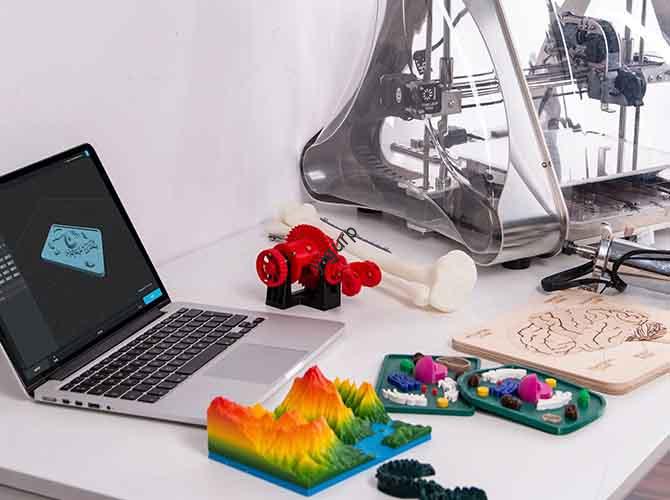
Si vous explorez la fabrication additive (SUIS)- également connue sous le nom d'impression 3D - l'une des premières questions que vous vous poserez est la suivante :: Quels matériaux puis-je réellement utiliser? La réponse est importante car le bon matériau fait ou défait votre projet, si vous prototypez un nouveau produit, création de pièces sur mesure pour l'aérospatiale, ou impression d'implants médicaux.
En bref, materials used in additive manufacturing span plastics, métaux, résines, céramique, composites, and even bio-based substances. Each category has unique properties (like strength, flexibilité, ou biocompatibilité) that align with specific AM technologies and applications. This guide breaks down every key material type, explains how to choose the right one for your needs, and shares real-world examples to help you apply this knowledge.
1. The Most Common Material Categories in Additive Manufacturing
Not all 3D printing materials work with every machine. Your choice depends on your AM method (par ex., FDM, ANS, GDT) and project goals (par ex., durabilité, coût, esthétique). Below are the six most widely used categories, with details on how they perform and where they’re applied.
1.1 Thermoplastiques: The Workhorse of Additive Manufacturing
Thermoplastics are the most popular materials in AM, thanks to their low cost, versatilité, et facilité d'utilisation. They soften when heated and harden when cooled—making them ideal for extrusion-based technologies likeModélisation des dépôts fondus (FDM).
Key Types & Real-World Uses
| Thermoplastic Type | Propriétés clés | Applications courantes | Example Case |
|---|---|---|---|
| PLA (Acide polylactique) | Faible coût, biodégradable, facile à imprimer | Prototypes, jouets, conditionnement | A small design studio used PLA to print 50+ prototypes for a new kitchen gadget in 3 jours, réduire les coûts en 70% par rapport à l'usinage traditionnel. |
| ABS (Acrylonitrile Butadiène Styrène) | Résistant aux chocs, résistant à la chaleur (jusqu'à 90°C) | Pièces automobiles, boîtiers électroniques | A car manufacturer used ABS to print custom dashboard brackets for a limited-edition model, reducing lead time from 4 semaines à 2 jours. |
| PETG (Polyéthylène téréphtalate glycol) | Fort, résistant aux produits chimiques, alimentaire | Bouteilles d'eau, dispositifs médicaux, pièces extérieures | A startup printed food-safe PETG containers for meal kits, meeting FDA standards while keeping production costs low. |
| Nylon (Polyamide) | Haute résistance, flexible, résistant à l'usure | Engrenages, charnières, composants industriels | An aerospace supplier used nylon to print lightweight gear components for a drone, reducing part weight by 30% without losing durability. |
Critical Fact: Thermoplastics account for ~60% of all materials used in additive manufacturing (Source: Le rapport de Wohler 2024), making them the go-to choice for most hobbyists and small businesses.
1.2 Métaux: High-Performance Materials for Industrial AM
Metal 3D printing is revolutionizing industries like aerospace, soins de santé, and automotive because it creates parts that are strong, léger, and complex—something traditional manufacturing struggles with. The most common AM technologies for metals areFusion laser sélective (GDT) etFrittage laser direct des métaux (DMLS).
Key Types & Real-World Uses
- Alliages de titane: Biocompatible (safe for the human body) et résistant à la corrosion. Used for medical implants (par ex., arthroplasties de la hanche) et pièces aérospatiales. Exemple de cas: A hospital worked with an AM company to print custom titanium hip implants for 12 patients, reducing surgery time by 45% and improving patient recovery rates.
- Alliages d'aluminium: Léger (1/3 le poids de l'acier) et fort. Used for automotive frames and aerospace components. Fact: Boeing uses aluminum AM parts in its 787 Dreamliner, cutting aircraft weight by 150 pounds per plane (Source: Boeing 2024 Sustainability Report).
- Acier inoxydable: Corrosion-resistant and durable. Used for industrial tools and food-processing equipment. Exemple de cas: A food manufacturer printed stainless steel nozzles for its production line, réduisant les coûts de maintenance en 30% because the parts lasted 3x longer than machined versions.
- Alliages cobalt-chrome: Heat-resistant and strong. Used for dental crowns and turbine blades. Fact: Sur 50% of dental crowns in Europe are now 3D-printed using cobalt-chromium alloys (Source: European Dental Association 2024).
1.3 Photopolymères (Résines): For High-Precision, Detailed Parts
Photopolymères (or resins) are liquid materials that harden when exposed to UV light or a laser. They’re used inStéréolithographie (ANS) etTraitement numérique de la lumière (DLP)—technologies known for creating ultra-detailed parts with smooth surfaces.
Key Types & Real-World Uses
- Standard Resins: Faible coût, good for prototypes and decorative parts (par ex., bijoux, figurines). Exemple de cas: A jewelry designer used standard resin to print 100+ custom necklace pendants, allowing customers to choose designs and receive products in 48 heures.
- Résines d'ingénierie: Heat-resistant and strong. Used for functional parts like gears or electronic housings. Fact: Engineering resins can withstand temperatures up to 200°C, making them suitable for under-the-hood automotive parts (Source: laboratoires de formulaire 2024 Guide des matériaux).
- Résines biocompatibles: Safe for contact with human skin or tissue. Used for dental models and medical device prototypes. Exemple de cas: A dental clinic printed biocompatible resin models of patients’ teeth to plan orthodontic treatments, reducing the need for messy impressions.
1.4 Céramique: Heat-Resistant & Matériaux biocompatibles
Ceramics in AM are less common than plastics or metals, but they’re essential for applications that need extreme heat resistance or biocompatibility. They’re used in technologies likeCeramic Stereolithography (CerSLA) etFrittage sélectif au laser (SLS).
Key Types & Real-World Uses
- Alumine: Haute résistance à la chaleur (up to 2000°C) and electrical insulation. Used for industrial furnace parts and electrical components. Fact: A power plant used 3D-printed alumina parts in its furnaces, extending maintenance intervals from 6 mois à 2 années (Source: Energy Industry Report 2024).
- Zircone: Biocompatible and strong. Used for dental crowns and hip implant components. Exemple de cas: A dental lab printed zirconia crowns that matched patients’ natural teeth color more accurately than traditional crowns, menant à un 25% increase in customer satisfaction.
- Carbure de silicium: Ultra-hard and heat-resistant. Used for aerospace turbine parts and cutting tools.
1.5 Composites: Combining Strengths for Advanced Applications
Composites are materials made by mixing two or more substances (par ex., plastique + fibre de carbone) to get better properties than either material alone. In AM, they’re often called “filled” materials (par ex., carbon fiber-filled PLA) and are used to create strong, pièces légères.
Key Types & Real-World Uses
- Carbon Fiber-Filled Plastics: Stronger and stiffer than pure plastics. Used for drone frames, équipement sportif (par ex., pièces de vélo), et composants automobiles. Exemple de cas: A bike manufacturer printed carbon fiber-filled nylon handlebars, reducing weight by 20% while increasing strength by 15%.
- Glass Fiber-Filled Plastics: More affordable than carbon fiber, with good strength. Used for industrial brackets and consumer goods. Fact: Glass fiber-filled materials can reduce part weight by up to 10% compared to pure plastics (Source: Stratasys 2024 Material Report).
- Metal Matrix Composites (MMC): Métal + céramique (par ex., aluminium + silicon carbide). Used for high-temperature aerospace parts.
1.6 Biosourcé & Matériaux durables: The Future of AM
As sustainability becomes a priority, more AM materials are made from renewable sources. These materials reduce waste and carbon footprints, making them popular for eco-friendly projects.
Key Types & Real-World Uses
- Bio-PLA: Made from corn starch or sugarcane (instead of petroleum). Biodegradable and used for packaging, disposable products, and prototypes. Exemple de cas: A packaging company used bio-PLA to print compostable food containers, cutting its carbon emissions by 40% compared to plastic containers.
- Recycled Thermoplastics: Made from recycled plastic waste (par ex., PET bottles). Used for low-stress parts like planters or decorative items. Fact: Using recycled plastics in AM can reduce material costs by up to 30% (Source: Circular Economy Institute 2024).
- Algae-Based Resins: Made from algae (a renewable resource). Biodegradable and used for prototypes and art projects.
2. How to Choose the Right Material for Your Additive Manufacturing Project
Choosing a material isn’t just about picking something “strong” or “cheap”—it requires matching the material’s properties to your project’s needs. Follow these four steps to make the right choice:
Étape 1: Define Your Project Goals
Ask yourself:
- Is the part fonctionnel (par ex., a gear that needs to withstand pressure) ou décoratif (par ex., une figurine)?
- Will it be exposed to chaleur, humidité, ou produits chimiques (par ex., under-the-hood car parts vs. indoor prototypes)?
- Does it need to be léger (par ex., pièces aérospatiales) ou heavy-duty (par ex., outils industriels)?
- What’s your budget? Metals cost more than plastics, but they last longer for high-stress applications.
Exemple: If you’re printing a prototype for a new water bottle, you’d prioritize food-safe, water-resistant materials like PETG—not a heat-resistant metal (which would be overkill and expensive).
Étape 2: Match the Material to Your AM Technology
Not all materials work with every 3D printer. Par exemple:
- FDM printers use thermoplastics (PLA, ABS, PETG).
- SLA/DLP printers use resins.
- SLM/DMLS printers use metals.
Common Mistake: Trying to print metal on an FDM printer (it won’t work—FDM machines can’t reach the high temperatures needed to melt metal). Always check your printer’s material compatibility first.
Étape 3: Consider Post-Processing Needs
Some materials require extra work after printing (par ex., ponçage, peinture, ou traitement thermique) to meet your standards. Par exemple:
- Resin parts need to be washed in isopropyl alcohol and cured under UV light.
- Metal parts may need sanding to remove rough edges.
Tip: If you’re short on time, choose materials that need minimal post-processing (par ex., PLA, which often looks smooth right off the printer).
Étape 4: Check for Industry Standards
If you’re working in a regulated industry (par ex., soins de santé, aérospatial), your material must meet specific standards. Par exemple:
- Medical implants need to be biocompatible (tested to ensure they don’t harm the body).
- Aerospace parts need to meet ASTM or ISO standards for strength and heat resistance.
Exemple de cas: A medical device company had to switch from standard PLA to a biocompatible resin for a surgical tool prototype, as the standard PLA didn’t meet FDA requirements.
3. Trends Shaping the Future of Materials in Additive Manufacturing
The AM material landscape is evolving fast, with new innovations making 3D printing more versatile and sustainable. Here are three key trends to watch:
3.1 Smart Materials: Parts That Respond to Their Environment
Smart materials (also called “responsive materials”) change properties when exposed to stimuli like heat, lumière, or moisture. Par exemple:
- Shape-memory alloys (SMAs) can “remember” their original shape and return to it when heated. They’re being used for self-healing aerospace parts—if a part bends, heating it fixes the damage.
- Hydrogels (water-absorbing polymers) are used in medical applications, like wound dressings that expand to fit the wound.
Fact: The global smart materials market for AM is expected to grow by 28% annually through 2030 (Source: Grand View Research 2024).
3.2 Durable & Circular Materials
As companies aim to reduce waste, more AM materials are being designed for circularity (i.e., reuse and recycling). Examples include:
- Recycled metal powders: In metal AM, unused powder can be collected and reused, reducing waste by up to 90% (Source: Metal AM Magazine 2024).
- Biodegradable composites: Materials like hemp-filled PLA that break down in compost, ideal for packaging and disposable products.
Exemple de cas: A furniture company now uses 100% recycled PETG to print custom chair legs, cutting its plastic waste by 50% and appealing to eco-conscious customers.
3.3 Customized Material Blends
Advancements in AM technology are allowing manufacturers to create “tailored” materials—blends of two or more substances designed for a specific use. Par exemple:
- A aerospace company created a custom aluminum-titanium blend that’s lighter than aluminum and stronger than titanium, perfect for jet engine parts.
- A sports brand blended carbon fiber with a flexible polymer to make bike frames that are strong et absorbant les chocs.
4. Yigu Technology’s Perspective on Materials in Additive Manufacturing
Chez Yigu Technologie, we believe that materials are the backbone of additive manufacturing’s growth—they turn innovative designs into real-world solutions. Over the years, we’ve seen firsthand how the right material can transform a project: from helping a startup print affordable prototypes with PLA to supporting an aerospace client with high-performance titanium parts.
Sustainability is a key focus for us. We’re increasingly advising clients to adopt recycled or bio-based materials, not just to reduce their environmental impact, but also to cut costs (recycled materials often cost less than virgin ones). We’ve also noticed a rise in demand for smart materials—especially in healthcare and automotive—where parts that respond to their environment can improve safety and efficiency.
Finalement, the future of AM isn’t just about better printers—it’s about better materials. As new options emerge, we’ll continue to help our clients navigate this landscape, ensuring they choose materials that align with their goals, budget, and values.
FAQ: Common Questions About Materials Used in Additive Manufacturing
Q1: What’s the cheapest material for additive manufacturing?
PLA is the cheapest common material, with prices ranging from $20–$50 per kilogram. It’s ideal for hobbyists, étudiants, and low-stress prototypes.
Q2: Can I use recycled materials in 3D printing?
Oui! Recycled thermoplastics (par ex., ANIMAL DE COMPAGNIE, ABS) and recycled metal powders are widely available. Just make sure the recycled material is compatible with your printer—some recycled plastics may have impurities that affect print quality.
Q3: Are 3D-printed metal parts as strong as machined metal parts?
Dans la plupart des cas, yes—sometimes even stronger. SLM/DMLS metal parts are dense (99.9% density for titanium) and have uniform strength, whereas machined parts can have weak spots from cutting.Fact: 3D-printed stainless steel parts have a tensile strength of 550 MPa, par rapport à 500 MPa for machined stainless steel (Source: ASTM International 2024).
Q4: What’s the most biocompatible AM material?
Titanium alloys and certain resins (par ex., Formlabs BioMed Resin) are the most biocompatible. They’re approved by the FDA for use in medical implants like hip replacements and dental crowns.
Q5: Can I mix different materials in one 3D print?
Some printers (par ex., dual-extruder FDM printers) let you mix two thermoplastics (par ex., PLA and TPU for a flexible-rigid part). Cependant, mixing metals or resins is more complex and usually requires specialized equipment.