
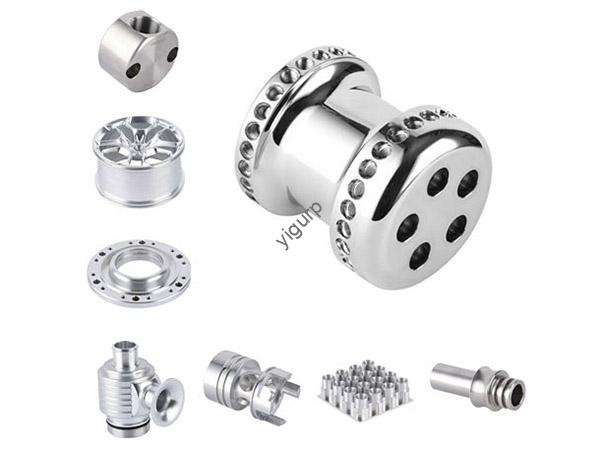
Si vous travaillez dans des environnements extrêmes, pensez aux moteurs à réaction, pipelines en haute mer, or chemical reactors—Inconel 625 is a material you can’t ignore. Cet alliage nickel-chrome-molybdène offre une résistance à la corrosion et une résistance aux températures élevées inégalées., ce qui en fait le premier choix pour les secteurs où l’échec n’est pas une option. Ce guide détaille tout ce que vous devez savoir sur l'Inconel 625, from its chemistry to real-world use cases.
1. Inconel 625: Material Overview & Caractéristiques
Inconel 625’s exceptional performance starts with its precise chemical composition and strict adherence to global standards. Let’s dive into its core specs:
Key Chemical Composition
| Element | Content Range | Role in Inconel 625 |
|---|---|---|
| Nickel (Dans) | 58% min | Base metal—provides ductility and stability |
| Chromium (Cr) | 20–23% | Boosts oxidation and corrosion resistance |
| Molybdène (Mo) | 8–10% | Fights pitting and crevice corrosion (critical for seawater/chemicals) |
| Niobium (Nb) | 3.15–4.15% | Strengthens the alloy at high temperatures |
| Fer (Fe) | 5% maximum | Minor element—adds subtle strength |
Critical Specifications & Physical Traits
| Specification/Property | Valeur | Relevance |
|---|---|---|
| UNS Designation | N06625 | Global identifier for material sourcing |
| ASTM/ASME Standards | ASTM B443 (sheets/plates), ASTM B446 (tuyaux) | Ensures quality for industrial use |
| Densité | 8.4 g/cm³ | Heavier than steel (7.85 g/cm³)—plan for weight in designs |
| Point de fusion | 1,290–1,350°C (2,350–2,460°F) | Withstands extreme heat (par ex., jet engine cores) |
| Résistance à la traction | 930 MPa (135,000 psi) | Strong enough for high-pressure pipelines |
| Yield Strength | 415 MPa (60,000 psi) | Resists deformation under heavy loads |
| Dureté | 210 BHN / 95 HRB | Tough enough for wear, but machinable with proper tools |
Exemple: An aerospace supplier uses ASTM B443 Inconel 625 sheets to make engine components—meeting strict tensile strength requirements ensures the parts don’t fail at 1,200°C.
2. Inconel 625: Résistance à la corrosion & Performances à haute température
Inconel 625’s biggest advantage is its ability to survive in the harshest environments. Here’s how it performs:
Corrosion Resistance Breakdown
| Environnement | Performance | Pourquoi ça marche |
|---|---|---|
| Seawater | Excellent | Molybdenum and niobium prevent pitting and crevice corrosion—lasts 10+ years in subsea pipelines |
| Chemicals (Acids/Bases) | Supérieur | Resists sulfuric acid (jusqu'à 60% concentration) and caustic soda—ideal for chemical processing tanks |
| Chloride Environments | Outstanding | Fightschloride stress corrosion cracking (a common issue for stainless steel) |
| High-Temperature Oxidation | Exceptionnel | Forms a protective chromium oxide layer—resists scaling up to 1,090°C (2,000°F) |
High-Temperature Strength
- Résistance au fluage: Maintains strength under long-term heat (par ex., 650°C pour 10,000 heures) without deforming—critical for gas turbine blades.
- Carburization/Sulfidation Resistance: Resists chemical attack from fuel byproducts (par ex., in oil refinery furnaces).
Étude de cas: A chemical plant replaced 316L stainless steel tanks with Inconel 625. The Inconel tanks lasted 8 années (contre. 2 years for 316L) dans 50% sulfuric acid—saving $200,000 in annual replacement costs.
3. Inconel 625: Fabrication, Fabrication & Usinage
Working with Inconel 625 requires specialized techniques—its strength and high temperature resistance make it trickier to process than steel. Here are best practices:
Welding Guidelines
- Weldability: Excellent, but use low-carbon filler metals (par ex., ERNiCrMo-3) to avoid carbide formation.
- Preheat/Post-Weld: No preheat needed for thin sections (<12mm); post-weld heat treatment (PWHT) at 980°C (1,800°F) relieves stress for thick parts.
- Method: TIG welding is preferred for clean, precise joints (par ex., composants aérospatiaux); MIG works for thick plates (par ex., pipeline welds).
Machining Tips
- Outillage: Use carbide inserts (Revêtement TiAlN) or high-speed steel (HSS) with cobalt. Avoid HSS without cobalt—tool life drops by 70%.
- Vitesses de coupe: Vitesses lentes (5–15 m/min for turning, 10–20 m/min for milling) prevent overheating.
- Coolant: Use heavy-duty soluble oil coolant to reduce friction and extend tool life.
Formation & Forgeage
- Forging Temperature: Heat to 1,150–1,200°C (2,100–2,190°F) for shaping—cool slowly to avoid cracking.
- Cold Forming: Possible for thin sheets (≤3mm), but use multiple passes with annealing between steps to reduce work hardening.
Pro Tip: An oil & gas manufacturer found that using TiAlN-coated carbide tools and 10 m/min cutting speed reduced machining time for Inconel 625 downhole tools by 25%.
4. Inconel 625: Product Forms & Supply Chain
Inconel 625 is available in a wide range of forms to fit diverse applications. Here’s what you need to know about sourcing:
Common Product Forms
| Form | Typical Sizes | Key Uses |
|---|---|---|
| Bar Stock | 6mm–300mm diameter | Attaches, downhole tool components |
| Sheets/Plates | 0.5mm–100mm thickness | Pièces de moteur, heat exchanger plates |
| Pipes/Tubes | 6mm–600mm OD (seamless/welded) | Subsea pipelines, chemical transport lines |
| Raccords | 1/2″–24″ tailles (elbows, tees) | Pipeline connections in harsh environments |
| Coil Stock | 0.5mm–3mm thickness, 1m–2m width | Petits composants (par ex., boîtiers de capteurs) |
Supply Chain Tips
- Price: Inconel 625 costs $50–$80 per kg (2024 estimates)—3–4x more than 316L stainless steel, but worth it for long-term durability.
- Délai de mise en œuvre: 4–8 weeks for standard forms; 10–12 weeks for custom sizes (par ex., large diameter pipes).
- Fournisseurs: Choose ISO 9001-certified suppliers to ensure compliance with ASTM/ASME standards. Ask for mill test reports (MTRs) to verify composition and properties.
Exemple: A marine engineering firm ordered 100m of Inconel 625 seamless pipe (50mm OD) for a subsea project. The supplier provided an MTR confirming UNS N06625 compliance—critical for passing regulatory inspections.
5. Inconel 625: Applications industrielles & Études de cas
Inconel 625 is the go-to alloy for industries where reliability in extreme conditions is non-negotiable:
1. Aérospatial & Aviation
- Jet Engine Components: Aubes de turbines, chambres de combustion, and exhaust systems use Inconel 625—its high-temperature strength handles 1,200°C engine heat. A major aircraft manufacturer reports Inconel 625 blades last 5x longer than steel blades.
- Aerospace Fasteners: Bolts and rivets made from Inconel 625 resist corrosion from high-altitude moisture.
2. Huile & Gaz
- Downhole Tools: Drill bits and well casings use Inconel 625—resists sulfuric acid and high pressure (jusqu'à 10,000 psi) in deep wells.
- Subsea Pipelines: Transports oil/gas from offshore rigs—withstands seawater corrosion and pressure changes.
3. Chimique & Nucléaire
- Chemical Processing Equipment: Reactors, échangeurs de chaleur, and storage tanks use Inconel 625—safe for acids, socles, et solvants.
- Nuclear Reactor Parts: Control rods and coolant pipes use Inconel 625—resists radiation and high-temperature coolant (300°C).
4. Marin
- Exhaust Systems: Yacht and ship exhausts use Inconel 625—resists saltwater corrosion and exhaust heat.
6. Inconel 625: Comparaisons & Alternatives
While Inconel 625 is exceptional, it’s not always the cheapest option. Here’s how it stacks up to similar alloys:
| Alliage | Résistance à la corrosion | High-Temp Strength | Coût par rapport. Inconel 625 | Idéal pour |
|---|---|---|---|---|
| Inconel 718 | Similar | Plus haut (up to 700°C) | 10% moins cher | Gas turbines, high-stress aerospace parts |
| Hastelloy C276 | Better (acides) | Inférieur | 20% more expensive | Extreme chemical environments (par ex., 90% acide sulfurique) |
| Monel 400 | Worse (chlorides) | Inférieur | 30% moins cher | Seawater (non-chloride stress) |
| 316L Stainless | Much worse | Inférieur | 75% moins cher | Mild environments (par ex., transformation des aliments) |
| Titanium Grade 2 | Similar (seawater) | Inférieur | Similar cost | Lightweight marine parts |
Decision Tip: Choose Inconel 625 if you need a balance of high-temperature strength and corrosion resistance. For extreme chemicals, pick Hastelloy C276; for cost savings (and milder conditions), use Inconel 718.
Yigu Technology’s Perspective
Chez Yigu Technologie, we recommend Inconel 625 for clients in aerospace, huile & gaz, and chemical industries needing uncompromised performance. We supply Inconel 625 barres, feuilles, and pipes (NOUS N06625, ASTM B443/B446) with full MTRs and ISO 9001 attestation. For a subsea pipeline project, we provided custom-cut Inconel 625 plates—our strict quality checks ensured 100% compliance with corrosion resistance standards. We also offer machining support, sharing tooling and speed tips to reduce client production costs. While Inconel 625 is an investment, its long service life delivers ROI by cutting replacements and downtime.
FAQ
- Can Inconel 625 be used in freshwater applications?
Oui, but it’s overkill—316L stainless steel is cheaper and sufficient for freshwater. Reserve Inconel 625 pour environnements difficiles (seawater, produits chimiques, chaleur élevée) where 316L fails. - Is Inconel 625 magnetic?
No—its nickel-rich composition makes it non-magnetic. This is critical for aerospace and medical applications where magnetic interference is a problem. - How do I repair Inconel 625 parties?
Use TIG welding with ERNiCrMo-3 filler wire. Clean the repair area thoroughly (remove rust/oil) and preheat thick sections (>12mm) to 150°C. Post-weld heat treatment at 980°C ensures the repair is as strong as the base material.