
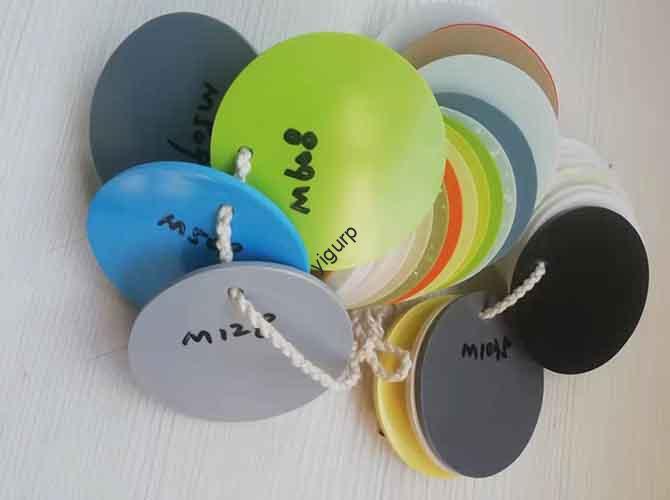
A high-quality CNC machining electric cooker prototype model is vital for verifying product design, tester la rationalité structurelle, et assurer la fiabilité fonctionnelle avant la production en série. Cet article décompose systématiquement l'ensemble du processus de développement, de la sélection des matériaux à la livraison, à l'aide de comparaisons claires., directives étape par étape, et des solutions pratiques pour relever les défis communs, helping you create a prototype that balances appearance accuracy and functional practicality.
1. Préparation préliminaire: Lay the Foundation for Prototype Success
Preliminary preparation directly determines the prototype’s precision and usability. It focuses on two core tasks: 3Modélisation D & structural analysis et sélection des matériaux, both tailored to the unique needs of electric cookers (par ex., résistance à la chaleur, sécurité alimentaire).
1.1 3Modélisation D & Structural Optimization
Use professional CAD software (par ex., SolidWorks, UG) to create a detailed 3D model of the electric cooker. The model must cover all components and prioritize structural optimization to avoid machining errors:
- Component Breakdown: Split the cooker into independent parts like the pot body, inner liner, base, control panel, et lid for easier machining and assembly.
- Key Optimization Focus Areas:
- Pot Body Structure: Design the inner cavity to match the heating plate (ensuring even heat distribution) with a tolerance of ±0.05mm.
- Sealing Groove: Precisely design the groove for the silicone sealing ring (largeur: 2-3mm, profondeur: 1.5–2mm) to prevent water leakage.
- Thin-Walled Parts: Reinforce areas like the pot body sidewalls (épaisseur: 1.2–1.5mm) with process ribs to avoid deformation during machining.
Why optimize these structures? A poorly designed sealing groove can cause 80% of leakage issues during testing, while unreinforced thin walls may deform by 0.3mm or more—requiring costly rework.
1.2 Sélection des matériaux: Match Materials to Component Functions
Different components of the electric cooker need materials with specific properties (par ex., food safety for inner liners, heat dissipation for bases). The table below compares the most suitable materials:
| Type de matériau | Avantages clés | Ideal Components | Fourchette de coût (par kg) | Usinabilité |
| Alliage d'aluminium (6061/6063) | Léger, résistant à la corrosion, good heat dissipation | Pot body, base, structures de soutien | \(6–)10 | Excellent (fast cutting, low tool wear) |
| Acier inoxydable (304) | Food-safe, high-temperature resistant, facile à nettoyer | Inner liner, food-contacting parts | \(15–)20 | Modéré (needs coolant to prevent sticking) |
| Acrylic/PC Board | High transparency, résistant aux chocs | Viewing windows, indicator lampshades | \(5–)8 | Bien (requires high-speed cutting to avoid cracking) |
| Nylon/POM | Isolation électrique, résistant à l'usure | Switch brackets, insulation components | \(4–)7 | Excellent (no burrs after machining) |
Exemple: The inner liner, which directly contacts food, utilise 304 acier inoxydable to meet food safety standards. The pot body, needing heat dissipation, is made of 6061 alliage d'aluminium.
2. Processus d'usinage CNC: Turn Design into Physical Components
The CNC machining phase follows a linear workflow—programmation & toolpath design → key component machining → tolerance control—with special attention to electric cooker-specific structures (par ex., curved pot inner walls, thin-walled bases).
2.1 Programmation & Toolpath Design
Import the 3D model into CAM software (par ex., Mastercam, PowerMill) to generate toolpaths and G-code. Key steps include:
- Cutting Parameter Setting (by Material):
- Alliage d'aluminium: Speed = 8000–12000 rpm; Feed = 1500–3000 mm/min; Cutting depth = 0.5–2mm (layered cutting).
- Acier inoxydable: Speed = 6000–8000 rpm; Feed = 1000–1500 mm/min; Cutting depth = 0.3–1mm (slower for hardness).
- Acrylique: Speed = 10000–15000 rpm; Feed = 800–1200 mm/min; Cutting depth = 0.2–0.5mm (empêche les fissures).
- Sélection d'outils:
- Rough machining: Use large-diameter flat knives (φ10–φ20mm) to remove 80–90% of excess material.
- Finition: Use small-diameter ball knives (φ4–φ6mm) for curved surfaces (par ex., pot inner walls) to ensure surface finish (Ra1.6–Ra3.2).
- Hole processing: Use drills (φ1–φ10mm) + robinets (M2–M6) for installation holes and screw holes.
2.2 Key Component Machining Strategies
Different components require tailored machining approaches to ensure quality:
- Pot Body (Alliage d'aluminium):
- Use extended tool holders to machine the inner cavity (avoids tool interference).
- Chamfer edges (R1–R2mm) to remove burrs and improve safety.
- Inner Liner (Acier inoxydable):
- Adopt brushed processing (Non. 4 processus) pour obtenir une douceur, surface facile à nettoyer.
- Use EDM for complex holes (par ex., steam vents) to ensure precision.
- Thin-Walled Base:
- Use low cutting depth (0.2-0,3mm) and high rotation speed (12000–15000 rpm) to prevent deformation.
- Add temporary process ribs during machining (removed after processing).
2.3 Tolérance & Traitement de surface
- Tolérance dimensionnelle: Key mating dimensions (par ex., pot body and lid fit) have a tolerance of ±0.05mm; non-mating dimensions (par ex., base thickness) have ±0.1mm.
- Traitement de surface:
- Alliage d'aluminium: Sablage (Ra1.6–Ra3.2) + anodisation (color options: black/silver) pour la résistance à la corrosion.
- Acier inoxydable: Brushed (Non. 4 processus) or mirror polished (for high-end prototypes).
- Acrylique: Diamond polishing + anti-scratch coating to enhance transparency and durability.
3. Assemblée & Function Verification: Ensure Prototype Reliability
Assembly and function verification confirm the prototype meets design standards for usability and safety.
3.1 Step-by-Step Assembly Process
- Pre-Assembly: Assemble the pot body, heating plate, and temperature control sensor; test electrical connectivity (ensure no short circuits).
- Housing Assembly: Fix the housing and base with buckles and screws; install control buttons and indicator lights (align with pre-machined holes).
- Sealing Installation: Place the silicone sealing ring into the lid’s groove; press firmly to ensure a tight fit.
3.2 Function Testing Checklist
Test the prototype in three key areas to validate performance:
| Test Category | Tools/Methods | Pass Criteria |
| Heating Test | Temperature sensor, power meter | – Heats to 100°C within 10–15 minutes.- Temperature control switch triggers automatic power-off at 100°C. |
| Sealing Test | Water filling, inspection visuelle | – No water leakage from the lid or base after 30 minutes of standing.- Sealing ring remains in place (no displacement). |
| Structural Stability | Weight test, torque wrench | – Pot body withstands maximum capacity (par ex., 5L water) without deformation.- Buttons and knobs stay tight (couple: 1.5–2.0 N·m). |
4. Contrôle de qualité & Livraison: Ensure Prototype Quality
Strict quality control and clear delivery standards guarantee the prototype meets expectations.
4.1 Mesures de contrôle de qualité
- Surveillance des processus:
- First-piece inspection: Use a coordinate measuring instrument to compare the first machined component with design drawings (ensures no programming errors).
- Sampling inspection: Check 10–15% of key dimensions (par ex., pot diameter, hole position) during batch processing.
- Inspection visuelle:
- Check for surface scratches, pits, and color aberrations (no visible defects on visible parts).
- Ensure transparent parts (par ex., viewing windows) have no bubbles or impurities; edges are not cracked.
4.2 Delivery Standards & Cycle
- Delivery Content: 1 fully assembled prototype model + 1 set of spare parts (vis, sealing rings) + 1 detailed test report (including heating curves, sealing results).
- Processing Cycle: 7–10 working days (varies by prototype complexity and material availability).
- After-Sales Service: Free repair of non-human damage within 3 mois; provide design optimization suggestions based on test results.
Yigu Technology’s Perspective
Chez Yigu Technologie, we see CNC machining electric cooker prototype models as a “design validator”—they turn ideas into tangible products while minimizing mass production risks. Our team prioritizes two core aspects: precision and safety. For critical parts like the inner liner, we use food-grade 304 stainless steel and strict tolerance control (±0,03 mm) to meet global safety standards. For thin-walled structures, we adopt symmetrical machining and process rib support to avoid deformation. We also integrate 3D scanning post-machining to verify accuracy. By focusing on these details, we help clients reduce post-production defects by 20–25% and cut time-to-market by 1–2 weeks. Whether you need an appearance prototype for exhibitions or a functional one for testing, we tailor solutions to your goals.
FAQ
- Q: How long does it take to produce a CNC machining electric cooker prototype model?
UN: Typically 7–10 working days. This includes 1–2 days for 3D programming, 3–4 days for CNC machining, 1–2 days for assembly & essai, et 1 day for quality inspection & report preparation.
- Q: Can I use a different material for the inner liner instead of 304 acier inoxydable?
UN: It’s not recommended. 304 stainless steel is the only material that meets both food safety standards (par ex., FDA, UE 10/2011) and high-temperature resistance requirements. Alternatives like aluminum may react with acidic foods, while plastic can’t withstand cooking temperatures.
- Q: What should I do if the prototype leaks during the sealing test?
UN: D'abord, check if the silicone sealing ring is damaged or misaligned (replace or reposition if needed). If the ring is intact, verify the sealing groove dimensions (tolerance should be ±0.05mm). If the groove is too large, add a thin silicone pad to the lid—this fix takes 1–2 hours and resolves most leakage issues.