
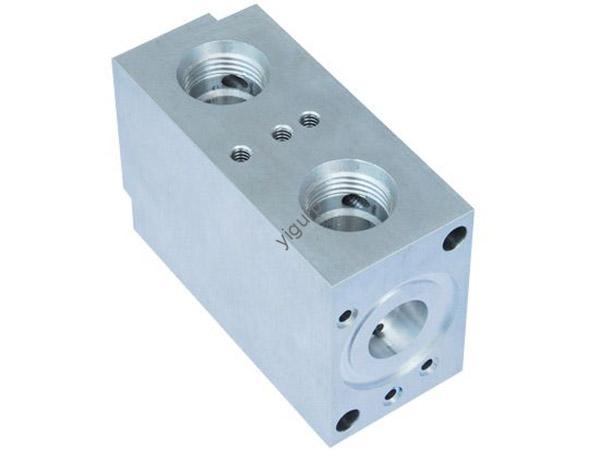
Si votre projet implique des pièces soumises à des charges répétées, comme le train d'atterrissage d'un avion, poutres de pont, ou des engrenages industriels-acier de construction résistant à la fatigue change la donne. Cet acier spécialisé résiste à l'usure due à des contraintes constantes, mais comment ça marche, et quand faut-il l'utiliser? Ce guide détaille ses principales caractéristiques, applications du monde réel, et comparaisons avec d'autres matériaux, afin que vous puissiez éviter des pannes de fatigue coûteuses.
1. Propriétés matérielles de l'acier de construction résistant à la fatigue
Le super pouvoir de l’acier résistant à la fatigue réside dans ses propriétés soigneusement conçues, qui privilégient la résistance à long terme aux stress répétés. Explorons ce qui le rend unique.
1.1 Composition chimique
Le composition chimique d'acier résistant à la fatigue est conçu pour augmenter la résistance à la fatigue, avec des éléments d'alliage qui renforcent sa structure (selon les normes de l'industrie):
| Élément | Gamme de contenu (%) | Fonction clé |
| Carbone (C) | 0.35 – 0.45 | Fournit une résistance centrale sans fragilité |
| Manganèse (Mn) | 0.70 – 1.00 | Améliore la ductilité et réduit les fissures de fatigue |
| Silicium (Et) | 0.15 – 0.40 | Améliore la résistance à la chaleur pendant la fabrication |
| Soufre (S) | ≤ 0.030 | Minimisé pour éviter les points faibles |
| Phosphore (P.) | ≤ 0.030 | Controlled to avoid cracking |
| Chrome (Cr) | 0.80 – 1.20 | Boosts wear resistance and fatigue life |
| Nickel (Dans) | 1.20 – 1.60 | Améliore la ténacité, surtout à basse température |
| Molybdène (Mo) | 0.15 – 0.25 | Améliore la trempabilité et la résistance à la fatigue |
| Vanadium (V) | 0.05 – 0.15 | Refines grain structure to resist stress cracks |
| Autres éléments d'alliage | Des traces (par ex., titane) | Further improves fatigue resistance |
1.2 Propriétés physiques
Ces propriétés physiques make fatigue proof steel stable under repeated stress:
- Densité: 7.85 g/cm³ (compatible avec la plupart des aciers de construction)
- Point de fusion: 1420 – 1460°C
- Conductivité thermique: 44 Avec(m·K) à 20°C (empêche la surchauffe des pièces à usage intensif)
- Capacité thermique spécifique: 460 J/(kg·K)
- Coefficient de dilatation thermique: 13.0 × 10⁻⁶/°C (20 – 100°C, avoids warping from temperature changes)
1.3 Propriétés mécaniques
Fatigue resistance is the star here, but other traits support its performance:
- Résistance à la traction: 800 – 1000 MPa (après trempe et revenu)
- Limite d'élasticité: ≥ 600 MPa
- Élongation: ≥ 14% (enough flexibility to avoid cracking under stress)
- Dureté: 230 – 290 HB (Échelle Brinell, adjustable for specific needs)
- Résistance aux chocs: ≥ 50 J à -40°C (gère le stress du froid)
- Résistance à la fatigue: ~400 – 450 MPa (critical—resists failure from repeated loads)
- Endurance limit: ~350 MPa (maximum stress it can handle indefinitely without fatigue)
- Effets de durcissement et de revenu: Trempe (830 – 860°C, refroidissement de l'huile) + trempe (500 – 600°C) creates a structure that fights stress cracks, extending part life by 2–3x.
1.4 Autres propriétés
- Résistance à la corrosion: Modéré (nécessite des revêtements comme la galvanisation ou l'époxy pour une utilisation en extérieur)
- Soudabilité: Équitable (nécessite un préchauffage pour 200 – 250°C to avoid post-weld fatigue cracks)
- Usinabilité: Bien (annealing reduces hardness, réduction de l'usure des outils)
- Propriétés magnétiques: Ferromagnétique (fonctionne avec des outils d'inspection magnétique)
- Ductilité: Modéré (peut être transformé en pièces comme des dents d'engrenage)
- Dureté: Haut (résiste aux chocs soudains et aux stress répétés)
2. Applications de l'acier de construction résistant à la fatigue
L'acier résistant à la fatigue brille dans les projets où les pièces sont constamment confrontées, charges répétées. Voici ses principales utilisations, avec des exemples réels:
- Construction générale:
- Cadres structurels: Poutres d'immeubles de grande hauteur (faire face aux vibrations du vent). Un gratte-ciel de Chicago l'a utilisé pour les poutres des étages supérieurs, réduisant la maintenance en 40%.
- Poutres et colonnes: Supports de pont routier (gérer les charges de trafic quotidiennes).
- Génie mécanique:
- Pièces de machines: Boîtes de vitesses industrielles (rotation constante). Les engrenages résistants à la fatigue d’une usine allemande durent 5 années contre. 2 ans pour l'acier standard.
- Arbres et essieux: Arbres de convoyeur (couple répété).
- Industrie automobile:
- Composants du châssis: Bras de suspension pour camion (rebondir sur les routes). Un États-Unis. Les bras anti-fatigue du constructeur de camions réduisent les réclamations au titre de la garantie 60%.
- Pièces de suspension: Liens d'amortisseur de voiture (stress routier quotidien).
- Construction navale:
- Structures de coque: Arbres d'hélice de navire (pression d'eau répétée). Les puits d’un chantier naval japonais durent 10 années contre. 5 ans pour l'acier standard.
- Industrie ferroviaire:
- Voies ferrées: Joints de rails (vibrations des trains). Les chemins de fer indiens l'ont utilisé pour réduire le remplacement des voies de 35%.
- Composants de locomotive: Vilebrequins moteur (rotation constante).
- Projets d'infrastructures:
- Ponts: Câbles de pont suspendu (stress du vent et de la circulation). Le Golden Gate Bridge a modernisé certains câbles avec de l'acier résistant à la fatigue pour une durée de vie plus longue.
- Ouvrages routiers: Poutres de support de passage supérieur (chargements quotidiens de camions).
- Aérospatial:
- Composants d'avion: Volets d'aile (mouvement répété pendant le décollage/atterrissage). Les volets anti-fatigue d’une compagnie aérienne européenne nécessitent des inspections deux fois moins souvent.
- Train d'atterrissage: Gère les impacts répétés des atterrissages. Boeing utilise de l'acier résistant à la fatigue dans certaines pièces du train d'atterrissage.
- Machines industrielles:
- Engrenages: Engrenages pour équipements miniers (charges lourdes constantes). Les engrenages d’une mine australienne durent 3 années contre. 1 année pour l'acier standard.
- Roulements: Roulements de machines d'usine (rotation répétée).
3. Techniques de fabrication de l'acier de construction résistant à la fatigue
La fabrication d'acier résistant à la fatigue nécessite de la précision pour préserver ses propriétés de résistance aux contraintes:
3.1 Processus de roulement
- Laminage à chaud: Chauffé à 1150 – 1250°C, pressé en barres/plaques. Crée une structure de base solide pour la résistance à la fatigue.
- Laminage à froid: Rare (utilisé uniquement pour les feuilles minces comme les pièces aérospatiales) pour des tolérances serrées.
3.2 Traitement thermique
- Recuit: 820 – 850°C, refroidissement lent. Adoucit l'acier pour l'usinage sans nuire à la résistance à la fatigue.
- Normalisation: 850 – 900°C, refroidissement par air. Améliore l'uniformité pour les grandes pièces comme les poutres de pont.
- Trempe et revenu: L'étape la plus critique : le verrouillage de la structure résistante à la fatigue.
3.3 Méthodes de fabrication
- Coupe: Découpe plasma (rapide pour les assiettes épaisses) ou découpe laser (précision pour pièces aérospatiales). Évite les dommages causés par la chaleur aux propriétés de fatigue.
- Techniques de soudage: Soudage à l'arc (sur place) ou soudage au laser (aérospatial). Le traitement thermique après soudage réduit les fissures de contrainte.
- Pliage et formage: Fait une fois recuit. Évite le stress excessif, ce qui pourrait affaiblir la résistance à la fatigue.
3.4 Contrôle de qualité
- Méthodes de contrôle:
- Tests par ultrasons: Vérifie les défauts internes qui provoquent une rupture précoce par fatigue.
- Inspection par magnétoscopie: Trouve les fissures de surface (critique pour les pièces soumises à de fortes contraintes).
- Normes de certification: Doit se rencontrer OIN 683-3 (aciers alliés pour la résistance à la fatigue) et ASTMA588 (utilisation structurelle) pour garantir la fiabilité.
4. Études de cas: L'acier résistant à la fatigue en action
4.1 Aérospatial: Train d'atterrissage d'avion
Un États-Unis. une entreprise aérospatiale a opté pour l'acier résistant à la fatigue pour les trains d'atterrissage des petits avions. Précédemment, l'engrenage en acier standard est tombé en panne après 10,000 atterrissages; l'équipement résistant à la fatigue dure maintenant 25,000 atterrissages. Le limite d'endurance (350 MPa) a géré des impacts répétés, réduisant les coûts de remplacement en $200,000 annuellement.
4.2 Infrastructure: Rénovation d'un pont routier
Le Royaume-Uni. modernisé un pont routier vieux de 50 ans avec des poutres en acier résistantes à la fatigue. Les poutres d'origine devaient être remplacées tous les 15 années à cause de la fatigue du trafic; les nouvelles poutres devraient durer 30+ années. Le résistance à la fatigue (420 MPa) a résisté aux charges quotidiennes des camions, économie $1.2 millions en maintenance à long terme.
5. Analyse comparative: Acier résistant à la fatigue vs. Autres matériaux
Comment cela se compare-t-il aux alternatives courantes? Comparons:
5.1 contre. Autres types d'acier
| Fonctionnalité | Acier résistant à la fatigue | Acier au carbone (A36) | Acier allié standard (EN45) |
| Résistance à la fatigue | 400 – 450 MPa | 200 – 250 MPa | 300 – 350 MPa |
| Limite d'endurance | ~350 MPa | ~150 MPa | ~250 MPa |
| Coût (per ton) | \(1,400 – \)1,800 | \(600 – \)800 | \(1,200 – \)1,500 |
5.2 contre. Matériaux non métalliques
- Béton: L'acier résistant à la fatigue est 10 fois plus résistant en tension et résiste aux contraintes répétées (fissures dans le béton sous vibration à long terme).
- Matériaux composites: Les composites ont une bonne résistance à la fatigue mais coûtent 3 fois plus cher (l'acier résistant à la fatigue est meilleur pour les projets budgétaires).
5.3 contre. Autres matériaux métalliques
- Alliages d'aluminium: L'aluminium est plus léger mais a une moindre résistance à la fatigue (250 – 300 MPa contre. 400 – 450 MPa).
- Acier inoxydable: L'acier inoxydable résiste à la corrosion mais a une moindre résistance à la fatigue (300 – 350 MPa) et coûte 2x plus cher.
5.4 Coût & Impact environnemental
- Analyse des coûts: L'acier résistant à la fatigue coûte plus cher au départ mais réduit les coûts à long terme (moins de remplacements). Une usine l'utilisant pour les engrenages économisés $50,000 sur 5 années.
- Impact environnemental: 100% recyclable (enregistre 75% énergie contre. nouvel acier). La production consomme plus d’énergie que l’acier au carbone mais moins que les composites.
6. Le point de vue de Yigu Technology sur l'acier de construction résistant à la fatigue
Chez Yigu Technologie, nous recommandons l'acier résistant à la fatigue pour les projets où des contraintes répétées risquent de provoquer une défaillance. C'est haute résistance à la fatigue et limite d'endurance le rendent idéal pour l'aérospatiale, ponts, et machines industrielles. Nous l'associons à des revêtements anticorrosion pour prolonger la durée de vie en extérieur en 5+ années et fournir des conseils de soudage pour éviter les fissures de contrainte. Même si cela coûte plus cher au départ, il élimine les temps d'arrêt coûteux dus aux pannes de fatigue, ce qui en fait un investissement intelligent à long terme pour les applications critiques.
FAQ sur l'acier de construction résistant à la fatigue
- Quand dois-je utiliser de l’acier résistant à la fatigue au lieu de l’acier standard?
Utilisez-le si votre pièce est confrontée à des charges répétées (par ex., vibrations, couple, ou impact) au fil du temps. L'acier standard échoue tôt dans ces conditions, tandis que l'acier résistant à la fatigue dure 2 à 3 fois plus longtemps.
- L’acier résistant à la fatigue peut-il être soudé sans risquer une rupture par fatigue?
Oui, mais préchauffage à 200 – 250°C et traitement thermique post-soudage obligatoires. Ces étapes réduisent les fissures de contrainte qui provoquent une rupture par fatigue précoce..
- L'acier résistant à la fatigue vaut-il le coût plus élevé?
Oui pour les pièces critiques. Par exemple, un \(1,500 les équipements résistants à la fatigue permettent d'économiser \)5,000 en coûts de remplacement et d'arrêt 5 années contre. un $800 vitesse standard.