
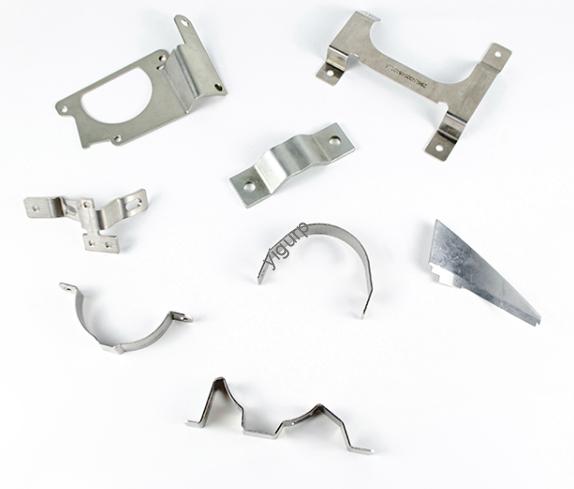
Les pièces métalliques sur mesure sont l'épine dorsale des industries de l'aérospatiale au médical : elles s'adaptent à des conceptions uniques., résoudre des problèmes spécifiques, et transformez vos idées en produits fonctionnels. Maiscustomize metal parts isn’t a one-size-fits-all task: le bon processus dépend de votre matériel, budget, complexité de conception, et volume de production. Ce guide se décompose 8 processus de fabrication clés pour les pièces métalliques sur mesure, compares their strengths, partage des exemples concrets, and helps you pick the perfect method for your project.
D'abord: What Matters When Customizing Metal Parts?
Before choosing a process, you need to clarify 4 core factors—they’ll narrow down your options and avoid costly mistakes:
- Design Complexity: Is your part simple (par ex., un support plat) or complex (par ex., a lattice-structured aerospace component)? Some processes handle curves and hollow shapes better than others.
- Material Choice: Do you need aluminum (léger), acier inoxydable (résistant à la corrosion), ou titane (haute résistance)? Not all processes work with every metal.
- Volume de production: Are you making 5 des prototypes ou 5,000 pièces de production? Costs and speed vary drastically by batch size.
- Tolerance Needs: How precise does the part need to be? A medical implant might need ±0.025mm tolerance, while a decorative part could use ±0.1mm.
Exemple: If you’re making 10 custom titanium surgical tools (complex design, tolérance stricte), your options will be very different than if you’re making 1,000 supports en aluminium (simple design, loose tolerance).
8 Key Processes to Customize Metal Parts (With Pros, Inconvénients & Cas)
Below are the most common methods to customize metal parts, each with how it works, best uses, and real-world success stories. We’ll start with the most versatile and move to specialized options.
1. Fraisage CNC & Tournant (Best for Precision & Versatilité)
How it works: CNC machining is a subtractive process—starts with a solid metal block and uses computer-controlled tools (mills for 3D shapes, lathes for cylindrical parts) to cut away excess material. It uses G-code (programmed via CAM software) for ultra-precise cuts.
Idéal pour: Simple-to-moderate designs, tolérances serrées (±0,025 mm), and small-to-large batches (1–10,000+ parts). Works with almost all metals (aluminium, acier, titane, laiton).
Avantages & Inconvénients:
| Avantages | Inconvénients |
|---|---|
| Haute précision (ideal for tight-fit parts like gears) | Struggles with complex internal shapes (par ex., closed lattices) |
| Fast for repeatable parts (100 aluminum brackets = 8–12 hours) | Material waste (50–70% of the metal block is cut away) |
| Works with all common metals | Setup fees ($50–$200) pour les petits lots |
Real-World Case: A medical device company used CNC turning to make 50 custom stainless steel dental drills. The drills needed a cylindrical shape with tiny, precise grooves (for cutting teeth) and ±0.03mm tolerance. CNC turning delivered consistent results, and the parts were ready in 3 days—faster than any other process.
Utilisations courantes: Engrenages, parenthèses, outils chirurgicaux, composants automobiles.
2. Impression 3D en métal (SLM/DMLS) (Best for Complex, Low-Volume Parts)
How it works: Also called additive manufacturing, it uses a laser to melt metal powder (par ex., titane, acier inoxydable) couche par couche, construire la pièce de bas en haut. No tooling is needed—just upload a 3D CAD file.
Idéal pour: Conceptions complexes (treillis, intérieurs creux), low batches (1–50 pièces), and high-value parts (aérospatial, médical). Works with titanium, acier inoxydable, and Inconel.
Avantages & Inconvénients:
| Avantages | Inconvénients |
|---|---|
| Makes shapes no other process can (par ex., canaux de refroidissement internes) | Slow for large batches (10 parts = 4–8 hours) |
| Faible gaspillage de matériaux (reuses 50%+ of unused powder) | Expensive per part (titanium part = $200–$500) |
| No setup fees (great for prototypes) | Lower tolerance than CNC (±0.1mm vs. ±0,025 mm) |
Real-World Case: An aerospace startup needed 3 custom titanium engine parts with hollow interiors (pour réduire le poids). CNC machining couldn’t reach the inner cavities, so they used SLM 3D printing. The parts were 30% lighter than solid versions, handled 600°C heat, and were ready in 3 days—saving $500 contre. custom casting.
Utilisations courantes: Implants médicaux, composants aérospatiaux, prototype parts with complex geometry.
3. Metal Casting (Sand & Investment) (Best for Large Batches & Simple Shapes)
How it works: Pour molten metal into a mold (sand for simple shapes, ceramic for detailed ones), let it cool, then break the mold to remove the part. Investment casting uses a wax model to create the mold—great for intricate details.
Idéal pour: Simple-to-moderate designs, gros lots (1,000+ parties), and low-cost metals (aluminium, iron, alliages de cuivre).
Avantages & Inconvénients:
| Avantages | Inconvénients |
|---|---|
| Low cost for large batches (1,000 aluminum pipes = $5 par pièce) | Slow setup (mold making = 1–2 weeks) |
| Works with large parts (par ex., 1m-tall machine frames) | Rough surface finish (nécessite un post-traitement) |
| Faible gaspillage de matériaux (uses only the metal needed for the part) | Poor tolerance (±0.5mm—no good for tight fits) |
Real-World Case: A construction equipment maker used sand casting to make 5,000 iron brackets for excavators. The brackets were simple (flat with holes) and didn’t need tight tolerance. Casting cost $3 per part—vs. $8 per part for CNC machining—saving $25,000 total.
Utilisations courantes: Pipes, bâtis de machines, automotive engine blocks.
4. Moulage sous pression (Best for High-Volume, Detailed Parts)
How it works: Similar to casting, but uses high pressure (hydraulic or pneumatic) to force molten metal into a reusable steel mold. Great for parts with small details (par ex., petits trous, logos).
Idéal pour: Moderate-to-detailed designs, very large batches (10,000+ parties), and low-melting metals (aluminium, zinc, magnésium).
Avantages & Inconvénients:
| Avantages | Inconvénients |
|---|---|
| Production rapide (10,000 zinc parts = 1 semaine) | Coûts d'outillage élevés ($10,000–$50,000 for steel molds) |
| Smooth surface finish (no post-processing needed for cosmetics) | Only works with low-melting metals (no titanium/steel) |
| Consistent parts (ideal for consumer goods) | Not for complex internal shapes |
Real-World Case: A smartphone manufacturer used die casting to make 100,000 aluminum phone chassis. The chassis had tiny slots for buttons and a smooth finish—die casting delivered consistent results at $2 par pièce. CNC machining would have cost $5 par pièce, économie $300,000.
Utilisations courantes: Phone chassis, capteurs automobiles, consumer electronics parts.
5. Extrusion (Best for Constant Cross-Section Parts)
How it works: Push heated metal through a mold with a fixed cross-section (par ex., tubes, L-shapes, cadres de fenêtres), then cut it to length. Post-traitement (forage, CNC) adds holes or details.
Idéal pour: Parts with constant cross-sections (no changing shapes), gros lots (1,000+ parties), and aluminum (80% of extruded metal parts).
Avantages & Inconvénients:
| Avantages | Inconvénients |
|---|---|
| Ultra-low cost (1,000 aluminum tubes = $1 par pièce) | Only for constant cross-sections (no curved or hollow interiors) |
| Production rapide (extrudes 10m of metal per minute) | Needs post-processing for custom details (par ex., trous) |
| Surface lisse (great for painted or anodized parts) | No tight tolerance (±0,1mm) |
Real-World Case: A window manufacturer used extrusion to make 5,000 aluminum window frames. The frames had a complex cross-section (to hold glass and seals) but no changing shapes. Extrusion cost $4 per frame—vs. $10 per frame for CNC—and the parts were ready in 5 jours.
Utilisations courantes: Cadres de fenêtres, tuyaux, garniture automobile, dissipateurs de chaleur.
6. Metal Injection Molding (MIM) (Best for Small, Detailed Parts)
How it works: Mix metal powder (acier inoxydable, titane) with plastic, inject the mixture into a mold, then heat it (sintering) to remove the plastic and fuse the metal.
Idéal pour: Petites pièces (under 100g) with tiny details (par ex., composants de dispositifs médicaux), gros lots (10,000+ parties), and stainless steel/titanium.
Avantages & Inconvénients:
| Avantages | Inconvénients |
|---|---|
| Makes tiny, pièces détaillées (par ex., 2mm medical screws) | Coûts d'outillage élevés ($5,000–$20,000) |
| Low per-part cost for large batches (10,000 parts = $1 each) | Not for large parts (max 100g) |
| High density (stronger than 3D printed parts) | Slow setup (mold making = 2–3 weeks) |
Real-World Case: A watchmaker used MIM to make 50,000 stainless steel watch gears. The gears were 3mm wide with tiny teeth—too small for CNC machining. MIM delivered consistent, strong gears at $0.80 each, économie $2 per gear vs. usinage manuel.
Utilisations courantes: Watch parts, vis médicales, small automotive sensors.
7. Forgeage (Best for High-Strength Parts)
How it works: Heat metal to a malleable state, then hammer or press it into shape using a mold. No melting—preserves the metal’s natural grain, making parts stronger.
Idéal pour: Pièces à haute résistance (par ex., outils, composants structurels), medium-to-large batches (100–10 000 pièces), and stainless steel/iron.
Avantages & Inconvénients:
| Avantages | Inconvénients |
|---|---|
| Ultra-résistant (20–30% stronger than cast parts) | No complex shapes (only simple, solid designs) |
| Faible gaspillage de matériaux (utilise 90% of raw metal) | Coûts d'outillage élevés ($10,000–$30,000) |
| Good for high-stress parts (par ex., wrench heads) | Rough surface (nécessite un post-traitement) |
Real-World Case: A tool manufacturer used forging to make 1,000 steel wrench heads. Forged wrenches could handle 500N of torque (contre. 300N for cast ones) and lasted 2x longer. The cost was $5 per wrench—only $1 more than casting—worth it for durability.
Utilisations courantes: Wrenches, têtes de marteau, automotive crankshafts, supports structurels.
8. Tôle & Estampillage (Best for Flat, High-Volume Parts)
How it works: Cut flat metal sheets (aluminium, acier) into shapes, then bend or punch them using a press brake. Stamping uses a die to mass-produce identical parts quickly.
Idéal pour: Flat or slightly bent parts (par ex., boîtiers, parenthèses), very large batches (10,000+ parties), and aluminum/steel.
Avantages & Inconvénients:
| Avantages | Inconvénients |
|---|---|
| Fastest process for large batches (100,000 parts = 1 jour) | Only for flat/bent shapes (no 3D curves) |
| Low per-part cost ($0.50–$2 per part) | High tooling costs for stamping ($5,000–$15,000) |
| Léger (great for enclosures) | Poor tolerance (±0,1mm) |
Real-World Case: A computer manufacturer used sheet metal stamping to make 50,000 aluminum laptop enclosures. The enclosures were flat with bent edges—stamping delivered them at $1.20 each, contre. $3 each for CNC machining. The parts were ready in 3 jours, meeting a tight product launch deadline.
Utilisations courantes: Laptop enclosures, coffrets électriques, panneaux de carrosserie automobile, parenthèses.
How to Choose the Right Process (Cheat Sheet + Comparaison des coûts)
Use this table to match your project needs to the best process. We’ve also included cost data for a standard aluminum part (100mm x 50mm x 5mm) to show how prices vary by batch size:
| Project Need | Best Process | Coût pour 10 Parties | Coût pour 1,000 Parties | Coût pour 10,000 Parties |
|---|---|---|---|---|
| Complex design, low batch (prototypes) | Impression 3D en métal (GDT) | $200 | $15,000 | Non recommandé |
| Simple design, tolérance stricte | Usinage CNC | $150 | $5,000 | $30,000 |
| Constant cross-section, large batch | Extrusion | $50 (plus post-processing) | $1,000 | $8,000 |
| Petit, detailed part, large batch | Metal Injection Molding (MIM) | $500 (installation) + $50 | $5,000 | $10,000 |
| High-strength part, medium batch | Forgeage | $300 (installation) + $100 | $8,000 | $50,000 |
| Flat part, very large batch | Sheet Metal Stamping | $1,000 (installation) + $20 | $2,000 | $7,000 |
Key Takeaway: Pour les petits lots, CNC or 3D printing is best. Pour les gros lots, extrusion, estampillage, or MIM saves money. For strength, choose forging. For complexity, choose 3D printing.
Yigu Technology’s Perspective on Customizing Metal Parts
Chez Yigu Technologie, we tailor custom metal part solutions to your unique needs. Pour pièces de précision (like medical tools), we use CNC machining for tight tolerances. For complex aerospace components, impression 3D métal (GDT) delivers unbeatable geometry. Pour les gros lots (comme les supports automobiles), we recommend extrusion or stamping to cut costs. We also handle post-processing—from polishing CNC parts to anodizing extruded aluminum—to ensure your parts look and perform perfectly. Our team works with you to balance cost, vitesse, et qualité, so you get custom parts that fit your project, not the other way around.
FAQ About Customizing Metal Parts
1. What’s the cheapest way to customize metal parts for large batches?
Pour les gros lots (10,000+ parties), sheet metal stamping (pour pièces plates) ou extrusion (for constant cross-sections) is cheapest. Both have high upfront tooling costs but ultra-low per-part costs—e.g., stamping a 100mm aluminum bracket costs $0.50 per part for 10,000 unités.
2. Can I customize titanium parts with any process?
No—titanium is hard to melt and cut, so only a few processes work: Usinage CNC (best for precision), impression 3D métal (GDT, best for complexity), and metal injection molding (MIM, best for small parts). Die casting and extrusion don’t work with titanium (it has a high melting point).
3. How long does it take to customize metal parts?
It depends on the process and batch size:
- Petits lots (10 parties): CNC = 3 jours, 3D printing = 2 jours.
- Lots moyens (1,000 parties): CNC = 1 semaine, extrusion = 5 jours.
- Grands lots (10,000 parties): Stamping = 3 jours, MIM = 2 semaines (due to tooling).
Setup time (mold/tool making) adds 1–2 weeks for casting, estampillage, or MIM.