
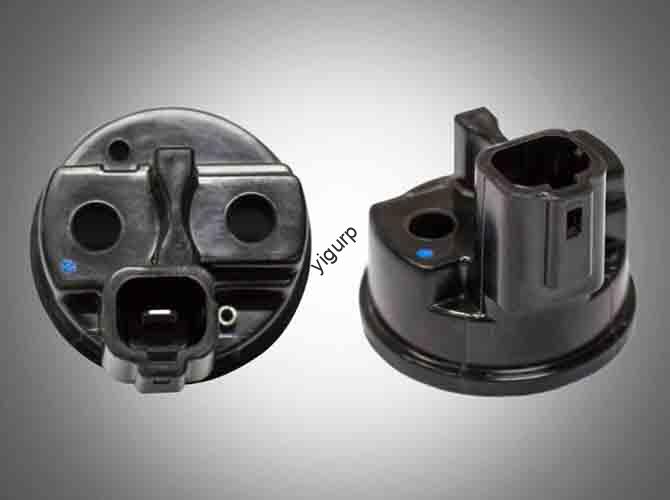
Quand il s'agit de 3D printing materials, polypropylène (PP) monte rapidement au sommet. Mais pourquoi ce matériau devient-il un favori des ingénieurs et des fabricants ?? Décomposons ses principales caractéristiques, avantages de l'application, et comment cela transforme les industries.
1. Core Material Characteristics of 3D Printing PP
PP isn’t just another 3D printing material—it stands out for its unique physical and chemical properties. The table below summarizes its most important features:
| Caractéristiques | Description | Industry Relevance |
| Faible densité & Haute résistance | Density as low as 0.90 g/cm³, yet strong enough to meet most industrial loads. | Ideal for lightweight parts (par ex., supports automobiles, dispositifs médicaux). |
| Strong Chemical Resistance | Résiste aux acides, alcalis, and many organic solvents without degradation. | Critical for chemical storage components and medical tools. |
| Excellent Fatigue Resistance | Maintains performance even after 10,000+ cycles de stress. | Perfect for high-frequency use parts (par ex., charnières, vannes). |
2. Application Advantages of 3D Printing PP
Par rapport à la fabrication traditionnelle (comme le moulage par injection) and other 3D printing materials (like PLA or ABS), 3D printing PP offers three unbeatable benefits:
2.1 Manufacture Complex, Pièces personnalisées
PP has great fluidity during printing—meaning it can fill fine gaps and form intricate shapes easily. Par exemple:
- A medical device company used 3D printing PP to create custom orthopedic insoles. Each insole matches a patient’s foot shape (thanks to 3D scanning), and PP’s flexibility ensures comfort.
- An automotive supplier printed a PP airflow manifold with internal channels that would be impossible to make with injection molding.
2.2 Shorten R&D Cycles by 50%+
Traditional manufacturing requires mold creation, which can take 4–8 weeks. With 3D printing PP:
- Design a digital model (1–2 jours).
- Print a physical prototype (4–24 hours).
- Test and iterate—no mold changes needed.
This speed lets teams launch products 2–3 times faster.
2.3 Cut Costs Across the Board
Where does the cost savings come from? Let’s compare:
| Cost Factor | Fabrication Traditionnelle (Moulage par injection) | 3D Impression PP |
| Mold Costs | \(5,000–)50,000 per mold | $0 (pas besoin de moules) |
| Déchets de matériaux | 20–30% (scrap from trimming) | 5–10% (utilise uniquement le matériel nécessaire) |
| Inventory Costs | Need to stock finished parts | Print on-demand (reduce stock levels) |
3. Why 3D Printing PP Beats Other Materials?
You might ask: “Why not use PLA or ABS instead?” Here’s a quick comparison:
- PLA is cheap but brittle and not heat-resistant.
- ABS is strong but releases toxic fumes and needs a heated enclosure.
- PP? C'est flexible, résistant aux produits chimiques, and easy to print—no special equipment required. It’s like choosing a multi-tool over a single-purpose gadget.
4. Yigu Technology’s Perspective
Chez Yigu Technologie, we’ve seen 3D printing PP become a go-to for clients in medical, automobile, et biens de consommation. Its balance of strength, poids léger, and cost-efficiency aligns with modern manufacturing’s need for flexibility and sustainability. We often recommend PP for custom parts and rapid prototyping, as it helps clients turn ideas into products faster than ever. It’s not just a material—it’s a solution for faster, smarter production.
FAQ
- Is 3D printing PP compatible with most 3D printers?
Oui! Most FDM (Modélisation des dépôts fondus) printers work with PP filaments, though using a heated bed (50–60°C) helps prevent warping.
- Can 3D printed PP parts be recycled?
Absolument. Like regular PP, 3D printing PP scraps or old parts can be melted down and reused to make new filaments, supporting sustainability.
- What’s the typical lifespan of a 3D printed PP part?
It depends on usage, but PP’s fatigue resistance means parts can last 5–10 years in low-stress applications (par ex., biens de consommation) and 2–5 years in high-stress uses (par ex., pièces automobiles).