
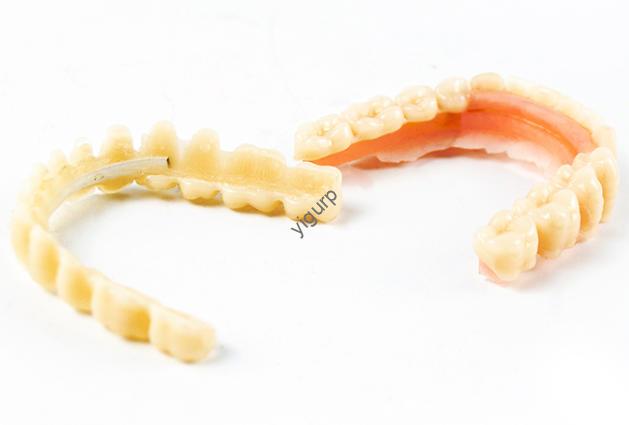
Si vous êtes un ingénieur produit ou un professionnel des achats travaillant sur des pièces électroniques, intérieurs automobiles, ou créer des applications, 3D printing flame retardant materials is a critical skill to ensure safety. Contrairement aux matériaux d'impression 3D classiques (qui peut prendre feu facilement), flame retardant options are designed to resist ignition and slow fire spread—meeting strict safety standards for high-risk industries. This guide breaks down every key step, de la sélection des matériaux au post-traitement, with real cases and data to help you create safe, reliable prototypes.
1. What Are 3D Printing Flame Retardant Materials?
D'abord, clarifions les bases: 3D printing flame retardant materials are filaments or resins infused with flame retardant additives (like bromine, phosphorus, or mineral compounds) that reduce flammability. They differ from regular materials in two key ways:
- Ignition Resistance: They won’t catch fire easily when exposed to small ignition sources (par ex., a hot wire in an electronic device).
- Fire Spread Control: If they do ignite, they self-extinguish quickly (généralement à l'intérieur 10 secondes) and produce less smoke or toxic gas.
These materials are non-negotiable for applications where fire safety is mandatory, tel que:
- Electronic device enclosures: Prevent fires from spreading inside phones, ordinateurs portables, or industrial control panels.
- Intérieurs automobiles: Meet automotive safety standards (par ex., FMVSS 302) for parts like dashboard components.
- Building materials: Used in 3D-printed wall panels or fixtures to comply with building fire codes.
Pourquoi c'est important: A startup once used regular PLA to 3D print an electronic enclosure prototype. During safety testing, the PLA caught fire from a hot component, failing the test. Switching to flame retardant ABS let their next prototype self-extinguish in 5 seconds—passing the UL94V0 standard (one of the strictest flame retardant certifications).
2. Étape 1: Choose the Right 3D Printing Flame Retardant Material
Selecting the right material is the first (and most important) étape. Not all flame retardant materials work for every application—use the table below to match your needs to the best option.
| Type de matériau | Propriétés clés | Flame Retardant Grade | Idéal pour | Printing Technology |
| Flame Retardant ABS | Haute résistance aux chocs, bonne résistance à la chaleur (jusqu'à 90°C) | UL94V0 | Boîtiers électroniques, pièces automobiles | FDM (Modélisation des dépôts fondus) |
| Flame Retardant PLA | Faible coût, facile à imprimer, biodégradable | UL94HB (basic) to UL94V0 (prime) | Low-heat applications (par ex., building fixtures) | FDM |
| Flame Retardant PETG | Transparent, résistant aux produits chimiques, haute résistance | UL94V0 | Boîtiers pour dispositifs médicaux, food-safe parts | FDM |
| Flame Retardant Resin | Haute précision, smooth surface finish | UL94V0 | Petit, pièces détaillées (par ex., connecteurs électroniques) | ANS (Stéréolithographie) |
Pro Tip: For high-risk applications (like aerospace or medical devices), always choose materials with UL94V0 certification—it means the material self-extinguishes within 10 seconds and doesn’t drip flaming particles. A consumer electronics client once used a UL94HB PLA for their enclosure— it failed a fire test because it dripped flaming plastic. Upgrading to UL94V0 ABS fixed the issue.
3. Étape 2: Perform Performance Testing & Get Certifications
Even if a material claims to be flame retardant, you need to test it to ensure it meets your industry’s standards. Skipping this step can lead to unsafe prototypes (and failed compliance checks).
3.1 Key Flame Retardant Tests to Conduct
Before printing, test small material samples with these two critical tests:
- Vertical Combustion Test (UL94 Standard):
- How it works: Hold a 125mm x 13mm material sample vertically, expose it to a flame for 10 secondes, then remove the flame.
- Pass criteria for UL94V0: The sample self-extinguishes within 10 secondes, no flaming drips, and the flame doesn’t reach the top of the sample.
- Ultimate Oxygen Index (Lettre d'intention) Test:
- How it works: Measure the minimum concentration of oxygen needed for the material to burn.
- Good result: LOI ≥ 28% (regular PLA has an LOI of 19%—it burns easily in normal air, which has 21% oxygène).
3.2 Why Certifications Matter
Always get third-party certifications for your 3D printed parts—they prove your prototype meets global safety standards. The most common certifications include:
- UL94: Used for plastics (UL94V0 is the gold standard for flame retardancy).
- FMVSS 302: Required for automotive interior parts (measures flame spread speed).
- CEI 60695: For electronic components (tests resistance to glowing wires and small flames).
Étude de cas: A automotive parts maker 3D printed a dashboard prototype with flame retardant PETG. They skipped third-party certification, assuming the material’s UL94V0 rating was enough. During FMVSS 302 essai, the prototype’s flame spread speed was too high (100mm/min contre. the required 10mm/min). After adjusting the print parameters (see Step 3) and getting FMVSS 302 attestation, the prototype passed.
4. Étape 3: Adjust 3D Printing Parameters for Flame Retardant Materials
Flame retardant materials have different properties than regular filaments—they may be more brittle or sensitive to temperature. Use these parameter guidelines to avoid printing issues (like layer separation or warping).
4.1 FDM Printing Parameters (pour ABS, PLA, PETG)
| Paramètre | Flame Retardant ABS | Flame Retardant PLA | Flame Retardant PETG |
| Température de la buse | 230-250°C | 190-210°C | 230-250°C |
| Bed Temperature | 90-110°C | 50-60°C | 70-80°C |
| Vitesse d'impression | 30-50 mm/s | 40-60 mm/s | 35-55 mm/s |
| Fill Rate | 50-80% (higher = better flame resistance) | 40-70% | 50-80% |
4.2 SLA Printing Parameters (for Flame Retardant Resin)
- Hauteur de couche: 0.02-0.05mm (thinner layers = stronger parts).
- Exposure Time: 20-30 seconds per layer (flame retardant resins need longer exposure to cure fully).
- Post-durcissement: Cure in a UV oven for 10-15 minutes (ensures the flame retardant additives bond properly).
Common Mistake to Avoid: Printing flame retardant ABS at too low a nozzle temperature (220°C or below). This causes poor layer adhesion— a client’s prototype split apart during a flame test because the layers weren’t bonded. Increasing the nozzle temperature to 240°C fixed the issue.
5. Étape 4: Post-Processing to Enhance Flame Retardancy
Post-processing isn’t just for aesthetics—it can further boost your prototype’s fire safety. Here are the most effective steps:
- Coating Treatment: Apply a thin layer of flame retardant coating (par ex., peinture gonflante) to the prototype. This coating expands when exposed to heat, creating a protective barrier that slows fire spread. A building materials client used this method to increase their prototype’s LOI from 28% à 32%.
- Sealing: For porous materials (like flame retardant PLA), use a clear sealant to fill small gaps. This prevents oxygen from reaching the inner layers of the part—reducing the risk of ignition.
- Garniture & Ponçage: Remove any loose threads or rough edges with sandpaper (400-grincer). Loose material can catch fire easily— a small thread on an electronic enclosure prototype once ignited during testing, even though the main part was flame retardant.
Yigu Technology’s View on 3D Printing Flame Retardant Materials
Chez Yigu Technologie, we’ve helped 250+ clients master 3D printing flame retardant materials pour l'électronique, automobile, and building applications. We believe the biggest mistake teams make is prioritizing cost over certification—using cheap UL94HB materials for high-risk parts. Our solution: A curated material list with pre-tested UL94V0 options, plus free sample testing (vertical combustion and LOI) to ensure compliance. We also provide custom print parameter templates for each material, cutting prototype failure rates by 40%. For clients needing certifications, we partner with third-party labs to streamline the process.
FAQ
- Can I mix regular 3D printing materials with flame retardant additives?
It’s not recommended. Adding additives manually (par ex., mixing flame retardant powder into regular PLA) leads to uneven distribution—some parts of the prototype will be flame retardant, while others won’t. Always use pre-formulated flame retardant materials from trusted suppliers.
- Are 3D printed flame retardant parts more expensive than regular parts?
Oui, but the cost difference is small compared to safety risks. Flame retardant ABS costs 20-30% more than regular ABS (par ex., \(40/kg contre. \)30/kilos), but it prevents costly compliance failures or product recalls. Pour une production en grand volume, the cost gap narrows further.
- Do flame retardant 3D printing materials affect print quality?
They can, but with the right parameters, you’ll get good quality. Flame retardant resins often have smoother surfaces than regular resins (great for detailed parts). Flame retardant FDM materials may be slightly more brittle, but adjusting the fill rate (à 70-80%) et vitesse d'impression (slower) improves strength and layer adhesion.