
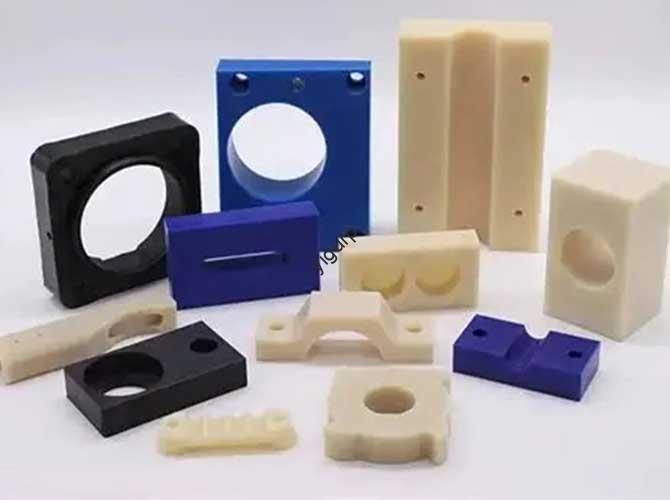
Silicone composite plastic molding parts are specialized components produced by copying plastic parts using silicone molds—a process that balances precision, rentabilidad, y flexibilidad. A diferencia de la fabricación tradicional de moldes metálicos, Este método aprovecha la elasticidad de la silicona para replicar detalles intrincados manteniendo bajos los costos de producción de lotes pequeños.. Este artículo desglosa los principios básicos., proceso paso a paso, ventajas, limitaciones, and applications of these parts, with clear comparisons and real-world examples to help you determine if they’re suitable for your project.
1. Core Principle of Silicone Composite Plastic Molding
The process relies on silicone’s unique properties to bridge prototype design and plastic part production. Here’s how it works in three key stages:
- Creación de moldes de silicona: Primero, a prototipo (p.ej., 3D-printed resin part, CNC-machined component) is used as a master model. Liquid silicone (mixed with a curing agent) is poured over the prototype and cured—capturing every detail (texturas, logotipos, geometrías complejas) of the master.
- Plastic Casting: Once the silicone mold is ready, liquid plastic materials (p.ej., polyurethane resin, resina epoxídica) are poured into the mold. The mold’s flexibility ensures the plastic fills all corners, even tiny gaps or sharp edges.
- Curación & Desmoldeo: The plastic cures (at room temperature or with mild heat) and hardens. Thanks to silicone’s elasticity, the mold can be easily peeled away from the plastic part—resulting in a replica that matches the original prototype’s structure and details with high accuracy.
Key Advantage of the Principle: Silicone’s ability to “copy and release” eliminates the need for expensive, rigid metal molds. Por ejemplo, a prototype of a phone case with a raised brand logo will have that logo replicated exactly on every plastic part made from the silicone mold.
2. Step-by-Step Production Process
Creating silicone composite plastic molding parts follows a linear, repeatable workflow—each step critical to ensuring part quality and mold durability.
2.1 Prototype Preparation: The “Master Model” Stage
The prototype defines the final part’s shape and details. Choose a production method based on precision needs and complexity:
| Prototype Production Method | Características clave | Ideal para |
| 3Impresión D (SLA/DLP) | – Alta precisión (±0,05 mm) for intricate details.- Superficie lisa (Ra 0,8–1,6 μm) reduces sanding time.- Entrega rápida (12–24 hours for small parts). | Partes complejas: electronic device shells (TV remote casings), componentes de joyería, and parts with fine textures. |
| Mecanizado CNC | – Precisión ultraalta (±0,01 mm) for tight tolerances.- Suitable for hard materials (metal, madera, rigid plastic).- Excellent for parts requiring smooth, superficies planas. | Componentes de alta precisión: soportes automotrices, medical device parts, and parts with strict dimensional requirements. |
| Hand Engraving | – Low cost for simple shapes.- Flexible for artistic, one-of-a-kind designs.- No specialized equipment needed. | Simple or decorative parts: custom stationery, small decorative figurines, and low-precision prototypes. |
Para propina: Regardless of the method, ensure the prototype is clean (no dust, aceite, or residue) and smooth—any flaws will be replicated in the silicone mold and final plastic parts.
2.2 Fabricación de moldes de silicona: The “Negative Template” Stage
This stage transforms the prototype into a reusable mold. Follow these steps for optimal results:
- Mold Frame Setup:
- Choose a frame material (madera, plástico, metal) large enough to fit the prototype with 5–10mm of space on all sides (for silicone coverage).
- Seal the frame edges with masking tape or acrylic sealant to prevent silicone leakage.
- Silicone Mixing:
- Use a ratio of silicone to curing agent specified by the manufacturer (p.ej., 10:1 for some condensation silicones, 1:1 for additive silicones).
- Mix slowly and thoroughly to avoid air bubbles—uneven mixing causes incomplete curing or weak mold spots.
- Silicone Pouring:
- Pour the silicone slowly over the prototype (tilt the frame to 45° to reduce bubble formation).
- For thick molds (>10mm), usar layered pouring: pour 1/3 of the silicone, wait 30 minutes for bubbles to rise, then add the next layer.
- Opcional: Utilice un vacuum degassing machine (1–2 minutes at -0.1MPa) to remove trapped bubbles—critical for parts with tiny details (p.ej., 0.5mm-wide slots).
- Curación:
- Let the silicone cure at room temperature (20°C–25°C) for 4–24 hours (depends on silicone type and thickness).
- For faster curing, use a low-temperature oven (50°C–60°C) to reduce time by 50% (p.ej., 8 hours → 4 horas).
2.3 Plastic Part Production: The “Replica” Stage
Now use the silicone mold to create the final plastic parts:
- Plastic Material Selection:
Choose based on the part’s end-use (fortaleza, flexibilidad, resistencia química):
| Plastic Material | Propiedades clave | Aplicaciones ideales |
| Poliuretano (PU) Resina | – Good wear resistance and flexibility.- Fast curing (1–2 hours at 20°C).- Bajo costo ($20–40 per kg). | Partes funcionales: TV remote buttons, componentes de juguete, and flexible gaskets. |
| Resina epoxídica | – High strength and chemical resistance.- A prueba de calor (120°C–180°C after curing).- Low shrinkage (0.5–1%). | Partes estructurales: acabado interior del automóvil, electronic device housings, and medical tool handles. |
- Torrencial & Curación:
- Pour the liquid plastic into the silicone mold—control speed to avoid bubbles (use a small funnel for narrow mold openings).
- Para piezas complejas (p.ej., parts with internal cavities), usar sectional pouring: fill one section, wait 10 minutos, then fill the next to ensure full coverage.
- Cure the plastic at room temperature (PU: 1–2 horas; epoxy: 4–6 horas) or use mild heat to speed up curing.
- Desmoldeo:
- Gently peel the silicone mold away from the plastic part—silicone’s elasticity prevents damage to both the part and mold.
- Trim excess plastic (destello) with a sharp knife for a clean finish.
3. Advantages of Silicone Composite Plastic Molding Parts
This method offers unique benefits for small-batch production and product development:
| Advantage Category | Beneficios clave | Ejemplo del mundo real |
| High-Precision Replication | Captures tiny details (0.1mm–0.5mm), including textures, logotipos, and complex geometries. | A silicone mold replicates the fine “brushed metal” texture on a TV frame prototype—every plastic part has the same texture as the master model. |
| Rentabilidad | – Silicone mold material costs 50–70% less than metal molds.- No expensive tooling needed for small batches (10–100 partes). | A startup saves \(5,000 by using a silicone mold (costo: \)200) instead of a metal mold (costo: $5,200) producir 50 test samples of a new smartwatch casing. |
| Rápido cambio de rumbo | From prototype to final parts in 3–7 days (vs. 2–4 weeks for metal molds). | A consumer electronics company needs 20 TV remote prototypes for user testing—silicone composite molding delivers them in 4 días, vs. 2 semanas con métodos tradicionales. |
| Flexibility for Customization | Easy to adjust the mold or switch plastic materials for custom parts (p.ej., different colors, dureza). | A jewelry brand changes the color of PU resin in the same silicone mold to produce gold, plata, and black versions of a pendant—no new mold needed. |
4. Limitations to Consider
While highly useful, silicone composite plastic molding parts have constraints that may affect their suitability for some projects:
- Limited Mold Life: Silicone molds last 20–100 cycles (vs. 10,000+ cycles for metal molds). After repeated use, molds wear, deform, or develop tears—especially for parts with sharp edges (p.ej., plastic clips) that scratch the mold.
- Lower Part Performance: Plastic parts made via this method have lower mechanical properties than those from injection molding. Por ejemplo, epoxy resin parts from silicone molds have 10–15% lower tensile strength than injection-molded epoxy parts—making them unsuitable for high-stress applications (p.ej., car suspension components).
- Low Production Efficiency: Each part requires manual pouring, curación, and demolding—unlike injection molding, which produces 100+ parts per hour. For batches larger than 100 regiones, silicone composite molding becomes slower and more costly than traditional methods.
5. Key Application Fields
Silicone composite plastic molding parts excel in scenarios where small batches, precisión, and speed are prioritized:
5.1 Desarrollo de productos & Creación de prototipos
- Pruebas funcionales: Create test samples for product teams to evaluate fit (p.ej., TV remote buttons fitting into the casing), asamblea (p.ej., electronic components fitting into a device shell), y durabilidad.
- Appearance Evaluation: Produce parts with final textures and colors to assess consumer feedback (p.ej., testing different colors of a phone case prototype).
5.2 Producción de bajo volumen & Personalización
- Niche Markets: Manufacture custom parts with low demand (p.ej., personalized stationery, small-batch mechanical components for vintage cars).
- Arte & Crafts: Create decorative items (p.ej., custom candle holders, sculptural replicas) where detail and uniqueness matter more than mass production.
5.3 Reverse Engineering
- Copy legacy parts for out-of-production equipment (p.ej., old TV knobs, vintage radio casings) by using the original part as a prototype to make a silicone mold.
6. Yigu Technology’s Perspective on Silicone Composite Plastic Molding Parts
En Yigu Tecnología, we see silicone composite plastic molding as a “bridge” for product development—ideal for turning prototypes into tangible parts fast, without the cost of metal molds. A common mistake we see is clients overusing this method for large batches (200+ regiones)—after 100 ciclos, mold wear leads to inconsistent parts, increasing rework costs. Our advice: Use it for 1–100 parts (creación de prototipos, small-batch testing) and switch to injection molding for larger volumes. Por ejemplo, a client making TV interface panels used silicone molding for 50 test parts, then transitioned to metal molds for 1,000+ production units—this balanced speed, costo, y calidad. We also recommend choosing additive silicone (1:1 ratio) for high-precision parts (p.ej., componentes de dispositivos médicos) to avoid shrinkage-related defects.
7. Preguntas frecuentes: Common Questions About Silicone Composite Plastic Molding Parts
Q1: Can I use silicone composite molding for parts that need to withstand high temperatures (p.ej., 150°C)?
A1: Sí, but choose the right materials. Usar high-temperature resistant silicone (service temp: 200°C–300°C) for the mold and heat-resistant epoxy resin (cured temp: 120°C–180°C) for the part. Test a sample first—expose it to 150°C for 24 hours to ensure no deformation. Avoid standard silicone (max temp: 150°C) or PU resin (max temp: 80°C) for high-heat applications.
Q2: How can I extend the life of my silicone mold?
A2: – Clean the mold with mild soap and water after each use (avoid harsh solvents like acetone, which break down silicone).- Apply a thin layer of silicone oil to the mold before pouring plastic—reduces friction and wear.- Store the mold in a cool, dry place (humedad <60%) and avoid folding or stretching it (prevents tears).
Q3: Are silicone composite plastic parts suitable for food-contact applications (p.ej., plastic cups)?
A3: Only if you use food-grade materials. Elegir food-grade silicone for the mold and food-safe PU/epoxy resin (certified by FDA or EU food safety standards). Regular silicone and plastic materials may leach chemicals into food—never use them for food-contact parts. Test the final part for compliance (p.ej., FDA 21 CFR 177.2600 for resin) before use.