
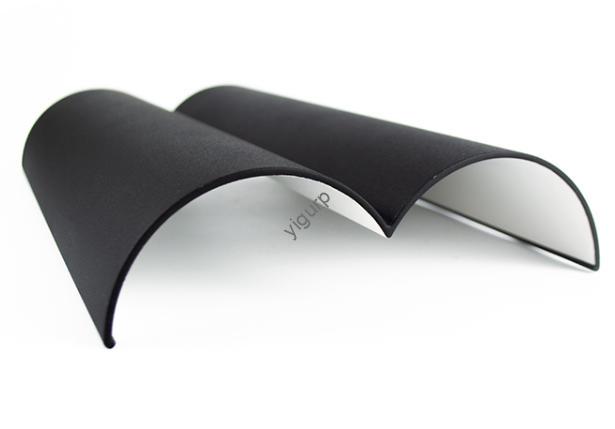
El moldeado por flexión es un proceso clave en el procesamiento de chapa metálica que da forma a los materiales en los ángulos y formas deseados mediante presión.. Es popular porque es rentable., rápido, y no requiere apertura del molde: perfecto tanto para la creación de prototipos como para la producción en masa. Pero para obtener los mejores resultados, elegir el material adecuado es crucial. This guide breaks down the top materials for bending molding, sus profesionales, usos, and key considerations to help you make informed decisions.
An Overview of Bending Molding: Cómo funciona
Before diving into materials, let’s quickly understand how bending molding operates. The process relies on plastic deformation—applying pressure to a sheet metal until it bends without breaking. For success, two factors matter most: the material’s ductilidad (its ability to stretch without cracking) and proper bending parameters (like height and radius).
A basic rule for bending height: it should be at least 2× the material’s thickness + the bending radius. Por ejemplo, if you’re using a 2mm thick steel sheet with a 3mm bending radius, the minimum bending height is 2×2 + 3 = 7mm. This prevents twisting during forming. Also, the bending radius must be larger than the material’s minimum bending radius (a value that varies by material) to keep the bent part strong.
Top Materials for Bending Molding: Ventajas, Usos, and Data
Not all materials work for bending molding—only those with good ductility. Below are the most common options, organized with key details to help you compare.
| Material | Propiedades clave | Minimum Bending Radius (for 1mm thick sheet) | Aplicaciones típicas | Caso del mundo real |
| Acero | Alta resistencia, bajo costo, good ductility | 1.5milímetros | Construction metal parts, electrónica de consumo, marcos automotrices | A car manufacturer uses 1.2mm thick steel sheets to bend door frames. The parts handle daily wear without bending or breaking, and steel keeps production costs 30% lower than using titanium. |
| Aluminio | Ligero (1/3 el peso del acero), resistente a la corrosión, dúctil | 1.0milímetros | Transportation (bikes, airplane parts), embalaje (aluminum cans), accesorios al aire libre | A bike brand uses 0.8mm aluminum sheets to bend handlebars. The lightweight material cuts the bike’s total weight by 15%, and its corrosion resistance means the handlebars don’t rust in rain. |
| Cobre | Excelente conductividad eléctrica, alta ductilidad, maleable | 0.8milímetros | Electrical connections (alambres, placas de circuito), plumbing parts | An electronics company bends 0.5mm copper sheets into connectors for smartphones. The copper’s conductivity ensures fast signal transfer, and its ductility lets the connectors fit into small phone casings. |
| Titanio | Resistencia ultraalta, resistente a la corrosión (even in chemicals), biocompatible | 2.0milímetros | Aeroespacial (rocket parts), dispositivos médicos (implantes), equipo marino | A medical firm uses 1.0mm titanium sheets to bend hip implants. Titanium’s strength supports body weight, and its biocompatibility means it doesn’t react with human tissue. |
Key Factors to Consider When Choosing Bending Molding Materials
Choosing a material isn’t just about its properties—you need to match it to your project’s needs. Here are four critical factors:
- Application Requirements: If your part needs to conduct electricity (like a wire connector), cobre is the best choice. For lightweight parts (like airplane components), aluminio o titanio works better. For low-cost, piezas de alta resistencia (like construction brackets), acero es ideal.
- Environmental Conditions: Will the part be exposed to water or chemicals? Aluminio y titanio resistir la corrosión, so they’re great for outdoor or marine use. Acero may need a coating (like paint or zinc) to prevent rust.
- Cost and Availability: Acero is the cheapest and most easy-to-find option—perfect for large-scale production. Titanio is expensive (about 5× the cost of steel) but worth it for high-performance parts (like aerospace components).
- Bending Difficulty: Cobre y aluminio are easy to bend—they require less pressure and are less likely to crack. Acero y titanio are harder, so you may need specialized equipment (like a high-pressure bending machine) para hojas gruesas.
Yigu Technology’s Perspective on Bending Molding Materials
En Yigu Tecnología, we focus on matching clients with the right bending materials to balance performance and cost. For most consumer goods (like electronics cases), recomendamos aluminio—it’s lightweight, resistente a la corrosión, y rentable. For industrial parts (like construction beams), acero is our go-to for its strength and low cost. For high-end projects (like medical implants), usamos titanio to meet strict safety and durability standards. We also help clients optimize bending parameters (like radius and height) to reduce waste—ensuring every part meets quality requirements.
FAQ About Materials for Bending Molding
1. Can I use stainless steel for bending molding?
Sí! Stainless steel is a type of steel with added chromium, making it more corrosion-resistant. It has good ductility, so it’s great for parts like kitchen sinks or outdoor furniture. Its minimum bending radius is about 1.8mm (for 1mm thick sheets).
2. Is it possible to bend very thin sheets (0.1mm de espesor) of these materials?
Sí, but you need to be careful. Thin sheets (like 0.1mm aluminum or copper) are easy to bend but may wrinkle. Use a bending machine with soft jaws (to avoid damaging the sheet) and keep the bending radius small (p.ej., 0.5mm for aluminum) for best results.
3. Which material is best for bending parts that need to be painted?
Acero is the best choice. It adheres well to paint and coatings, and the paint adds extra rust protection. Aluminum can also be painted, but it may need a primer first to help the paint stick. Copper and titanium are less commonly painted, as their natural properties (like conductivity or biocompatibility) may be affected.