
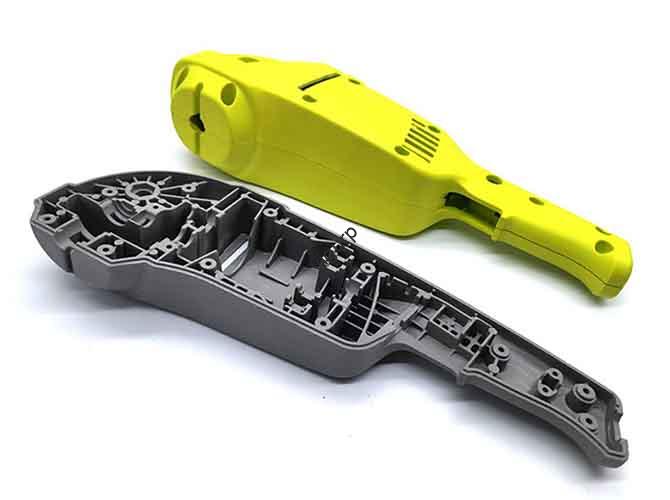
Si está investigando el moldeo por inyección en los EE. UU., ya sea para la creación de prototipos, piezas de producción en masa, o asociarse con un fabricante: aquí está la respuesta principal: Estados Unidos. La industria del moldeo por inyección es una $45+ sector de mil millones (2024 datos de la Asociación de la Industria del Plástico, PIA) que impulsa mercados clave como el automotriz, dispositivos médicos, bienes de consumo, y aeroespacial. Es conocido por su precisión., advanced tech (like 3D-printed molds), y estrictos estándares de calidad. To leverage it effectively, you need to understand material options, how to pick a reliable partner, requisitos reglamentarios, and emerging trends. Let’s dive into the details.
Key Overview of the U.S. Injection Molding Market
Estados Unidos. injection molding industry employs over 300,000 workers across more than 5,000 facilities, making it one of the largest segments of the U.S. plastics industry. Its biggest customer? The automotive sector, which accounts for 35% of all U.S. injection molding demand—think dashboards, carcasas de sensores, and EV battery components.
Un ejemplo del mundo real: A Michigan-based injection molder supplies Ford with lightweight plastic interior parts for its F-150 Lightning EV. By using glass-reinforced polypropylene, the molder cut part weight by 20% while maintaining durability, helping Ford meet its EV efficiency goals.
Beyond automotive, the medical device segment is growing fast (18% of market share, PIA 2024)—injection molders produce sterile parts like syringe barrels and surgical tool handles, which require ultra-tight tolerances (as small as 0.001 pulgadas). The “reshoring” trend is also boosting the market: Since 2022, 40% of U.S. manufacturers have moved at least some injection molding operations back from overseas to avoid supply chain delays (PIA survey).
Top Materials for U.S. Moldeo por inyección
Choosing the right material is critical—each plastic has unique properties that impact part performance, costo, y tiempo de producción. Below’s a breakdown of the most common materials used in U.S. moldeo por inyección, with their benefits and real-world uses:
| Material | Ventajas clave | Aplicaciones comunes | A NOSOTROS. Market Share |
| polipropileno (PÁGINAS) | Bajo costo, resistencia química, ligero, reciclable | Piezas interiores de automóviles, contenedores de comida, piezas de juguete | 28% (PIA 2024) |
| Polietileno (educación física) | Flexible, resistente a impactos, waterproof | Bolsas de plastico, tapas de botellas, piezas marinas | 22% |
| Acrilonitrilo Butadieno Estireno (ABS) | Alta resistencia, resistencia al calor, fácil de pintar | Carcasas para portátiles, LEGO bricks, parachoques automotrices | 15% |
| policarbonato (ordenador personal) | Transparente, inastillable, alta resistencia al calor | gafas de seguridad, Cubiertas de luz LED, carcasas para dispositivos médicos | 12% |
Example of material selection: A California-based medical molder uses polycarbonate to make MRI machine housings. PC’s transparency lets technicians see internal components, while its shatter resistance ensures safety in busy hospitals. For consumer goods, Hasbro relies on ABS for its action figures—ABS’s strength prevents breakage, and its paintability allows for detailed designs.
How to Select a Trusted Injection Molding Partner in the U.S.
Picking the right molder can save you time, dinero, and headaches. Here’s a step-by-step guide to find a partner that fits your project’s needs:
- Check Certifications for Your Industry: Look for molders with certifications that match your sector. Para piezas médicas, ISO 13485 is a must—it ensures compliance with FDA rules for sterile, safe components. A Minnesota molder that supplies Johnson & Johnson holds ISO 13485 and undergoes annual FDA audits to maintain its status. Para piezas de automoción, IATF 16949 is critical—this standard requires molders to track every part’s lifecycle, from raw material to delivery.
- Evaluate Equipment and Capabilities: Ask about machine size (measured by clamp force, in tons) and mold technology. If you need small, piezas de alta precisión (like microchips housings), a molder with 5-50 ton machines and micro-injection molding tech is best. Para piezas grandes (like tractor hoods), look for molders with 1,000+ ton machines. Por ejemplo, a Texas molder uses a 2,000-ton machine to produce plastic housings for agricultural equipment, handling parts up to 5 feet long.
- Review Quality Control (control de calidad) Procesos: Top molders have in-house QC labs with tools like coordinate measuring machines (CMM) to check part dimensions and visual inspection systems to catch defects. A Massachusetts molder, por ejemplo, uses CMMs to test 100% of its medical parts—ensuring each one meets the FDA’s strict tolerance requirements. They also keep detailed QC records for 7 años, as required by regulatory rules.
- Assess Sustainability Practices: With growing demand for eco-friendly products, choose a molder that uses recycled materials or bio-based plastics. Estados Unidos. injection molding industry recycles 30% of its plastic scrap (PIA data), but some molders go further. A Oregon molder uses 50% recycled polyethylene to make plastic crates for grocery stores, cutting carbon emissions by 40% compared to using virgin plastic.
A NOSOTROS. Injection Molding Regulations and Compliance
Compliance is non-negotiable in U.S. moldeo por inyección, as it protects consumers, workers, and the environment. Here are the key rules to know:
- Environmental Regulations: The EPA’s Resource Conservation and Recovery Act (RCRA) controls how molders dispose of plastic scrap and chemical waste (like mold release agents). Molders must also follow local air quality rules—for example, in California, molders must limit emissions of volatile organic compounds (COV) from plastic melting, often by using low-VOC resins. A New Jersey molder was fined $50,000 en 2023 for illegally dumping plastic scrap in a landfill, violating RCRA.
- Worker Safety Standards: OSHA requires molders to provide protective gear (heat-resistant gloves, eye protection) for employees working with hot plastics. Molders must also install guards on injection molding machines to prevent hands or fingers from getting caught. OSHA inspects facilities regularly—one Ohio molder was cited in 2024 for missing machine guards, conduciendo a un $12,000 bien.
- Industry-Specific Rules: For food-contact parts (like plastic cups), the FDA enforces Title 21 CFR, which lists safe plastics for food use. Molders must use resins approved by the FDA and test parts for leachability (to ensure no chemicals transfer to food). For medical devices, the FDA’s QSR (Quality System Regulation) mandates detailed documentation of every step—from mold design to production—so defects can be traced.
Trends Transforming U.S. Moldeo por inyección
Estados Unidos. injection molding industry is evolving quickly—staying on top of these trends will help you stay competitive:
- 3D-Printed Molds for Rapid Prototyping: Traditional steel molds take 4-8 weeks to make, but 3D-printed molds (using materials like resin or metal) can be ready in 1-3 días. This is a game-changer for startups and small-batch projects. A Colorado molder used a 3D-printed resin mold to prototype a new plastic toy for a client—cutting prototyping time from 6 semanas para 5 days and saving the client $10,000 in mold costs.
- Smart Molding with IoT: Many U.S. molders are adding IoT sensors to their machines to track real-time data (like temperature, presión, y tiempo de ciclo). This helps catch issues early—for example, if a machine’s temperature drops too low, sensors alert operators before it ruins a batch of parts. A Pennsylvania molder reported a 25% reduction in defective parts after installing IoT sensors in 2024.
- Bio-Based Plastics for Sustainability: As consumers demand greener products, molders are switching to bio-based plastics made from corn, sugarcane, or algae. These plastics are biodegradable or recyclable and have a lower carbon footprint. A Florida molder uses bio-based PLA (ácido poliláctico) to make disposable cutlery for restaurants—these utensils break down in compost in 6 meses, en comparación con 400+ years for traditional plastic.
Yigu Technology’s View on U.S. Moldeo por inyección
As a global provider of injection molding solutions, Yigu Technology recognizes the U.S. market as a leader in innovation and quality. The industry’s focus on precision (critical for medical and automotive parts) and sustainability aligns with our mission to deliver efficient, eco-friendly molding tech. We’ve noticed U.S. manufacturers increasingly need flexible solutions—like mold designs that work for both prototyping and mass production—and we tailor our tools to meet this need. The reshoring trend also creates opportunities: Yigu can support U.S. molders in scaling up quickly with our energy-efficient machines, helping them reduce costs while meeting growing demand. We’re confident the U.S. injection molding industry will keep thriving, and we’re proud to contribute to its success.
FAQ About Injection Molding in the United States
1. How much does injection molding cost in the U.S. vs. other countries?
A NOSOTROS. injection molding costs are 20-40% higher than in China or Vietnam, but the extra cost pays off in faster lead times (2-4 semanas vs.. 8-12 weeks overseas), better quality control, and no import tariffs. For projects needing strict compliance (like medical parts), A NOSOTROS. molders are often more cost-effective long-term—they avoid costly rework from defective overseas parts.
2. What’s the typical lead time for an injection molding project in the U.S.?
Los plazos de entrega dependen del tamaño del proyecto.: For prototyping with 3D-printed molds, es 1-2 semanas. For mass production with steel molds, es 4-8 semanas (including mold making and testing). Rush options can cut lead times by 30%—for example, a molder might prioritize your project if you pay a 15-20% de primera calidad.
3. Can U.S. injection molders handle both small-batch and large-scale production?
Sí. Most U.S. molders offer “low-volume” (100-10,000 regiones) and “high-volume” (100,000+ regiones) servicios. A New York molder, Por ejemplo, works with startups on small-batch prototypes (500 regiones) and then scales up to 1 million parts once the startup launches its product—no need to switch partners.
4. Are there regional hubs for injection molding in the U.S.?
Absolutamente. The top regions are:
- Midwest: Michigan, Ohio, Indiana (automotive focus, close to Detroit’s auto plants).
- Northeast: Massachusetts, Pennsylvania (medical and aerospace, serving Boston’s biotech and Philadelphia’s aerospace firms).
- West Coast: California, Washington (consumer goods and tech, working with Silicon Valley companies).