
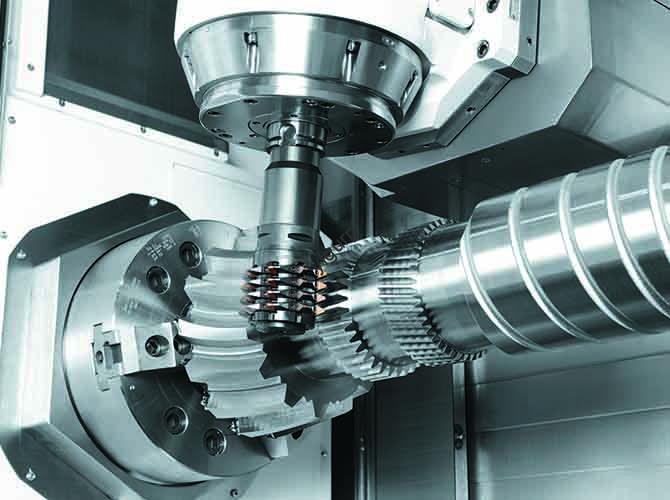
If you’re wondering whether custom CNC parts are the right solution for your project, o cómo conseguir unos de alta calidad, la respuesta corta es: Las piezas CNC personalizadas son componentes mecanizados con precisión adaptados a sus especificaciones de diseño únicas., Ideal para industrias desde la aeroespacial hasta la automotriz, y hacerlo bien significa centrarse en la selección de materiales., diseño para la capacidad de fabricación (DFM), and choosing a reliable supplier. En esta guía, we’ll break down everything you need to turn your idea into a functional, durable custom CNC part, with real-world examples and actionable steps.
What Are Custom CNC Parts, y por qué son importantes?
Primero, let’s clarify the basics: CNC (Control numérico por computadora) mecanizado is a subtractive manufacturing process where computer programs control machine tools (como molinos, tornos, o enrutadores) para eliminar material de una pieza de trabajo. Custom CNC parts take this a step further—they’re not off-the-shelf components but are designed and machined to fit your specific application.
Why does this matter? Off-the-shelf parts work for generic needs, but many projects (think a custom medical device component or a prototype for a new industrial tool) require precise dimensions, unique shapes, or specialized materials that standard parts can’t provide. Por ejemplo, a small aerospace startup we worked with needed a custom CNC-machined bracket to fit a proprietary satellite sensor. The bracket had to be lightweight (to reduce launch weight) yet strong enough to withstand rocket vibrations—off-the-shelf brackets couldn’t meet both requirements, so a custom CNC solution was essential.
Key benefits of custom CNC parts include:
- Precisión: CNC machines operate with tolerances as tight as ±0.0001 inches, critical for applications where even tiny deviations cause failure (p.ej., implantes medicos).
- Flexibilidad: They can be made from over 50 different materials, incluyendo metales (aluminio, titanio, acero inoxidable), plástica (ABS, OJEADA), y compuestos.
- Consistencia: Una vez programado, CNC machines produce hundreds or thousands of identical parts—no human error from manual machining.
Industry data backs up their importance: Se prevé que el mercado mundial de mecanizado CNC alcance $100.9 mil millones por 2030 (Investigación de gran vista), with custom parts driving much of that growth as industries like EVs and renewable energy demand specialized components.
How to Design Custom CNC Parts: Avoid Common Mistakes
Designing a custom CNC part isn’t just about drawing a shape—it’s about designing for how the machine will actually make it. Poor design leads to delayed timelines, costos más altos, or parts that don’t work. Here’s a step-by-step breakdown to get your design right, plus a real-world mistake to avoid.
1. Start with Material Selection (Don’t Guess!)
Your material dictates everything from part strength to machining difficulty. Ask yourself:
- ¿La pieza estará expuesta al calor?, quimicos, or moisture? (p.ej., marine parts need corrosion-resistant stainless steel like 316L)
- Does it need to be lightweight? (aerospace parts often use aluminum 6061-T6, which balances weight and strength)
- What’s your budget? (titanium is strong but 5x more expensive than aluminum—only use it if necessary)
Estudio de caso: A client in the automotive industry initially specified titanium for a custom engine bracket to “maximize strength.” After reviewing their needs, we pointed out that the bracket didn’t experience extreme stress—aluminum 7075-T6 would be 40% cheaper and still meet performance requirements. They saved $12,000 on their first 500-unit order.
2. Follow Design for Manufacturability (DFM) Rules
DFM is the secret to affordable, high-quality custom CNC parts. Here are the most critical rules:
- Avoid sharp internal corners: CNC tools have a rounded tip (minimum radius of 0.015 inches for most tools). Sharp corners require special tools, increasing cost by 20-30%.
- Keep wall thickness consistent: Thin walls (bajo 0.06 inches for aluminum) can warp during machining. If you need a thin section, reinforce it with ribs.
- Simplify complex features: Undercuts (recesses that the tool can’t reach from the top) often require secondary operations. Redesigning to eliminate undercuts can cut lead time by 1-2 semanas.
3. Define Clear Tolerances
Tolerancias (how much a dimension can vary) should be as loose as possible—tight tolerances (p.ej., ±0,0005 pulgadas) add time and cost. Only specify tight tolerances for critical features. Por ejemplo, a custom gear’s tooth profile needs a tight tolerance (±0,001 pulgadas) to mesh correctly, but the gear’s outer diameter can have a looser tolerance (±0,005 pulgadas).
How to Choose a Custom CNC Part Supplier: 5 Critical Factors
Even the best design fails if your supplier can’t execute it. Here’s how to vet suppliers to avoid costly mistakes (we’ve seen clients waste $5,000+ on bad suppliers—don’t be one of them).
1. Check Their Machining Capabilities
Not all CNC shops have the same equipment. Ask:
- Do they have the right machines for your part? (p.ej., 5-axis CNC machines are needed for complex 3D shapes; 3-axis machines work for simple flat parts)
- What’s their maximum workpiece size? (if you need a 3-foot-long custom beam, a shop with only small mills can’t help)
Para propina: Ask for photos or videos of their shop floor. A clean, organized shop with well-maintained machines is a sign of professionalism.
2. Verify Quality Control (control de calidad) Procesos
You need to be sure every part meets your specs. Look for suppliers with:
- In-process QC: They check parts during machining, not just at the end (catches issues early).
- Certificaciones: ISO 9001 (gestión de calidad) o AS9100 (aerospace-specific) are musts for critical applications.
- Advanced testing equipment: Tools like CMMs (Máquinas de medición de coordenadas) measure parts to 0.0001-inch accuracy.
3. Review Past Work and References
Ask for case studies or samples of parts they’ve made for your industry. Entonces, call 2-3 references and ask:
- Did the parts meet your design specs and tolerances?
- Were deliveries on time?
- How did they handle problems (p.ej., a defective part)?
4. Compare Lead Times and Pricing
Lead times for custom CNC parts range from 3 días (prototipos) a 4 semanas (high-volume orders). Be wary of suppliers who promise “next-day delivery” for complex parts—they may cut corners. For pricing, get quotes from 3 proveedores, but don’t choose the cheapest option. A $500 cheaper quote might mean lower-quality materials or poor QC.
5. Evaluate Communication
You’ll need to work closely with your supplier during design and production. If they take 3 days to reply to emails or can’t explain their process clearly, move on. A good supplier will ask questions about your application (p.ej., “What’s the part’s load capacity?") to ensure they make the right part.
Custom CNC Parts vs. 3Impresión D: Which Is Better for Your Project?
Many clients ask: “Should I use custom CNC parts or 3D printing?” The answer depends on your needs. Below is a side-by-side comparison to help you decide.
| Factor | Custom CNC Parts | 3Impresión D |
| Opciones de materiales | Wide (rieles, plástica, compuestos) | Limited (mostly plastics, some metals) |
| Fortaleza | Más alto (machined metals are denser) | Más bajo (3D-printed parts have layer lines) |
| Precisión | Tighter (±0,0001 pulgadas) | Looser (±0.005 inches for FDM) |
| Plazo de entrega (Low Volume) | 3-7 días | 1-3 días |
| Plazo de entrega (Alto volumen) | 2-4 semanas | 4-6 semanas (slower for large batches) |
| Costo (Low Volume) | Más alto (\(50-\)200 por parte) | Más bajo (\(20-\)100 por parte) |
| Costo (Alto volumen) | Más bajo (\(5-\)20 por parte) | Más alto (\(15-\)30 por parte) |
Ejemplo: If you need 10 prototype parts for a consumer product, 3D printing is faster and cheaper. But if you need 1,000 production parts for a industrial machine, custom CNC parts are stronger and more cost-effective.
Common Applications of Custom CNC Parts (With Examples)
Custom CNC parts are used in almost every industry—here are the most common applications, with real-world use cases.
1. Aerospace and Defense
Aerospace requires parts that are lightweight, fuerte, and 耐高温 (a prueba de calor). Examples include:
- Custom titanium engine components (tolerances ±0.0005 inches)
- Aluminum satellite brackets (peso reducido por 30% vs. standard brackets)
A major aerospace client needed custom CNC-machined fuel line connectors that could withstand 600°F temperatures. We used Inconel 718 (a heat-resistant superalloy) and achieved the required tolerance, helping their jet engine pass safety tests.
2. Dispositivos médicos
Medical parts need biocompatibility (no harmful reactions with the body) and extreme precision. Examples include:
- Stainless steel surgical instrument handles (polished to prevent bacteria buildup)
- PEEK spinal implants (biocompatible and matches bone density)
3. Automotive and EVs
vehículos eléctricos, in particular, demand custom CNC parts for batteries and motors. Examples include:
- Aluminum battery enclosures (lightweight and corrosion-resistant)
- Copper motor components (excellent electrical conductivity)
A startup making electric bikes needed a custom CNC-machined motor mount that fit their unique frame design. We optimized the design to reduce weight by 15%, helping their bike meet range targets.
4. Maquinaria Industrial
Industrial parts need to withstand heavy use and vibration. Examples include:
- Steel gear shafts (hardened for durability)
- Plastic sensor housings (resistant to oil and chemicals)
Yigu Technology’s View on Custom CNC Parts
En Yigu Tecnología, we believe custom CNC parts are more than just components—they’re the backbone of innovation. Con demasiada frecuencia, we see clients settle for off-the-shelf parts that limit their project’s potential, or work with suppliers who prioritize speed over quality. Our approach is different: We start by understanding your application (not just your design) to recommend the right materials and DFM tweaks. Por ejemplo, we recently helped a renewable energy client redesign a custom CNC wind turbine component to use recycled aluminum, cutting their carbon footprint by 25% sin sacrificar la fuerza. We also invest in advanced 5-axis CNC machines and CMM testing to ensure every part meets your specs. In a world where precision and sustainability matter more than ever, custom CNC parts—done right—are the key to turning bold ideas into real-world solutions.
FAQ About Custom CNC Parts
1. How much do custom CNC parts cost?
Costs vary based on material, complejidad, y cantidad. A simple aluminum prototype might cost \(50-\)100, while a complex titanium production part could cost \(200-\)500 cada. For high volumes (1,000+ unidades), costs drop to \(5-\)50 por parte.
2. ¿Cuál es la cantidad mínima de pedido? (Cantidad mínima de pedido) for custom CNC parts?
Most suppliers have no MOQ—you can order 1 prototipo o 10,000 piezas de producción. Sin embargo, some suppliers offer volume discounts (p.ej., 10% apagado para pedidos terminados 500 unidades).
3. How long does it take to make custom CNC parts?
Prototypes take 3-7 días, while production orders take 2-4 semanas. Partes complejas (p.ej., 5-componentes mecanizados por eje) may take an extra week.
4. Can custom CNC parts be recycled?
Yes—most materials used for custom CNC parts (aluminio, acero, acero inoxidable) are highly recyclable. Recycled aluminum uses 95% less energy than virgin aluminum, making it a sustainable choice.
5. What if my custom CNC part doesn’t meet my specs?
A reputable supplier will offer a replacement or refund. Before starting production, ask for a first-article inspection (FAI)—this lets you check a single part for specs before mass production.