
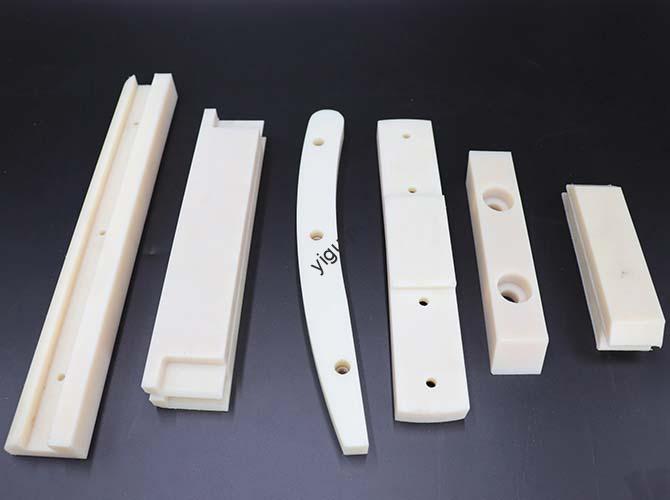
Vacuum duplicating products are high-precision replicas created by pouring liquid materials (p.ej., resina, poliuretano) into molds—made from prototypes like 3D prints or CNC parts—under vacuum conditions. This process eliminates air bubbles, ensuring the final product mirrors the prototype’s shape, textura, and details with exceptional accuracy. Desde repuestos para automóviles hasta dispositivos médicos, these products play a critical role in small-batch production, design testing, y personalización. This article breaks down their core principles, material selections, production workflows, and applications—with clear comparisons and tips to help you achieve consistent, resultados de alta calidad.
1. Definición central & Working Principle of Vacuum Duplicating Products
To understand their value, it’s first critical to clarify what vacuum duplicating products are and how the vacuum process ensures their precision.
1.1 Definición
Vacuum duplicating products are physical replicas of a master prototype (p.ej., 3D-printed resin part, CNC-machined metal component) produced via the following steps:
- A mold (typically silicone or epoxy) is created from the master prototype.
- Materiales líquidos (p.ej., resina, poliuretano) are poured into the mold under vacuum pressure (-0.095 a -0.1MPa).
- The material cures (at room temperature or with heat) to form a solid product that matches the prototype’s shape and details.
1.2 Key Principle: Why Vacuum Matters
The vacuum environment solves two critical challenges of traditional casting:
- Bubble Elimination: Vacuum pressure removes trapped air from the liquid material, preventing voids or surface defects in the final product. Por ejemplo, a silicone mold for a dental crown prototype would trap air bubbles without vacuum—resulting in a crown with gaps that don’t fit the patient’s tooth.
- Full Detail Filling: Reduced pressure lowers the material’s viscosity, letting it flow into tiny mold cavities (p.ej., 0.05mm-wide textures on a phone case prototype) that gravity alone can’t reach.
Ejemplo del mundo real: An aerospace engineer uses vacuum duplicating to create a replica of an aircraft wing component. The vacuum ensures the resin fills every small channel in the mold—critical for testing how air flows through the component during flight.
2. Selección de materiales: Moldes, Prototipos, and Casting Materials
The quality of vacuum duplicating products depends entirely on choosing the right materials for each stage. Below is a breakdown of core materials and their use cases:
2.1 Mold Materials: The “Negative Template”
Molds determine the product’s detail retention and durability. Choose based on your prototype’s complexity and batch size:
| Material del molde | Características clave | Curing Requirements | Aplicaciones ideales |
| Silicona | – Alta flexibilidad (Shore A 20–40) for easy demolding of complex parts (p.ej., socavados).- Excellent detail retention (captures 0.05mm textures).- Resistencia a la temperatura (-60°C to 300°C).- Reusable 20–50 cycles. | – Room-temperature curing (20°C–25°C): 4–8 hours.- Accelerated curing (50°C–60°C): 2–3 hours.- Requires vacuum degassing to remove mold bubbles. | Small-batch functional parts: carcasas para dispositivos médicos (hearing aids), componentes de juguete, and consumer electronics prototypes (TV remote buttons). |
| Resina epoxídica | – Alta dureza (Shore D 60–80) for tight dimensional accuracy (±0,05 mm).- Good heat/chemical resistance (120°C–180°C after curing).- Less flexible than silicone; better for flat/geometric parts. | – Room-temperature curing: 8–12 hours.- Post-cure (80°C): 1 hour (boosts strength).- Needs release agents (sticks to prototypes without them). | Piezas de alta precisión: componentes aeroespaciales (engine conduits), electronic device shells (smartwatch casings), y soportes estructurales. |
2.2 Casting Materials: The “Final Product”
Select based on the product’s end-use (fortaleza, flexibilidad, transparencia):
| Casting Material | Propiedades clave | Vacuum Casting Tips | Aplicaciones ideales |
| Unsaturated Polyester Resin | – Bajo costo ($15–30 per kg).- Fast curing (30–60 minutes with accelerator).- Easy to color (add pigments for custom shades).- Moderate strength (resistencia a la tracción: 30–40 MPa). | – Mix with 1% accelerator + 1% catalyst.- Pour quickly—short pot life (20–30 minutes). | Piezas decorativas: furniture trim, art sculptures, and low-stress consumer goods (p.ej., plastic plant pots). |
| Resina epoxídica | – Alta resistencia (resistencia a la tracción: 50–80 MPa) and chemical resistance.- Low shrinkage (0.5–1%) for dimensional stability.- A prueba de calor (120°C–180°C after curing). | – Usar 1:1 resin-to-hardener ratio.- Degas for 1–2 minutes to remove bubbles. | Partes estructurales: acabado interior del automóvil (paneles del tablero), mangos para dispositivos médicos, and aerospace prototypes. |
| Poliuretano (PU) | – Flexible (Shore A 30–80) or rigid (Shore D 60–80) variants.- Good wear resistance (ideal for parts with friction, p.ej., insoles).- Fast curing (1–2 hours at 20°C). | – Avoid overmixing (causes premature curing).- Cure at room temperature for best flexibility. | Partes funcionales: soft gaskets (para electrónica), cushioning (chair pads), and custom insoles. |
2.3 Prototype Materials: The “Master Model”
Prototypes are the foundation of accurate replicas. Choose based on precision needs:
| Prototype Material | Key Traits | Compatibility with Molds | Ideal para |
| SLA 3D-Printed Resin | – Alta precisión (±0,05 mm) for intricate details.- Superficie lisa (Ra 0,8μm) reduces mold finishing time. | Excellent with silicone/epoxy molds; use silicone oil as a release agent. | Partes complejas: coronas dentales, jewelry patterns, and electronic device shells. |
| CNC-Machined Metal | – Ultra-durable (reusable for 100+ mold makings).- High surface finish (Ra 0.4μm) for mirror-like replicas. | Good with epoxy molds; use petroleum jelly to prevent sticking. | Industrial masters: piezas automotrices, componentes aeroespaciales, and high-wear prototypes. |
| FDM 3D-Printed PLA | – Bajo costo ($50–100 per prototype).- Fácil de mecanizar (sand to smooth surfaces).- Exactitud (±0.1mm–±0.3mm). | Suitable for silicone molds; sand layer lines first to avoid texture transfer. | Prototipos de bajo costo: piezas de juguete, simple consumer goods, and design concept tests. |
3. Step-by-Step Production Workflow
Creating vacuum duplicating products follows a linear, repeatable process—each step critical to avoiding defects.
3.1 Stage 1: Master Prototype Preparation
- Clean & Liso:
- Wipe the prototype with isopropyl alcohol (70%–90%) to remove dust, aceite, or 3D print residue.
- Sand FDM prototypes with 400–1500 grit sandpaper to eliminate layer lines—uneven surfaces will be replicated in the mold.
- Apply Release Agent:
- Use silicone oil for plastic/metal prototypes, petroleum jelly for wax prototypes, or specialized spray for silicone-on-silicone replication.
- Apply a thin, even layer—thick coats distort details, while missing spots cause the mold to stick to the prototype.
3.2 Stage 2: Fabricación de moldes
Using silicone (the most common mold material) as an example:
- Frame Setup:
- Place the prototype in a plastic/wood frame and seal edges with masking tape to prevent silicone leakage.
- Ensure 5–10mm of space between the prototype and frame (for even silicone coverage).
- Silicone Mixing & Desgasificación:
- Mix silicone base and curing agent at a 10:1 ratio (condensation silicone) o 1:1 ratio (additive silicone). Stir slowly for 2–3 minutes to avoid bubbles.
- Place the mixture in a vacuum chamber (-0.1MPa) for 1–2 minutes to remove trapped air.
- Pouring & Curación:
- Pour silicone slowly over the prototype (tilt the frame to 45° to reduce splashing).
- Cure at 20°C–25°C for 6 horas (o 3 hours at 60°C for faster results).
3.3 Stage 3: Fundición al vacío & Curación
- Preparación de materiales:
- Mix the casting material (p.ej., epoxy resin at 1:1 ratio) according to the manufacturer’s instructions.
- Fundición al vacío:
- Pour the material into the silicone mold and place the assembly in a vacuum chamber (-0.095 a -0.1MPa) for 2–3 minutes.
- The vacuum ensures the material fills every mold cavity—critical for parts like dental crowns or aerospace components.
- Curación:
- Room-temperature curing: PU resin (1–2 horas), unsaturated polyester resin (30–60 minutes).
- Heat curing: Resina epoxídica (60°C for 2 horas) for increased strength.
3.4 Stage 4: Desmoldeo & Refinamiento
- Desmoldeo:
- Gently peel the silicone mold from the product—silicone’s flexibility prevents damage to both the product and mold. For epoxy molds, use a release tool to pry the mold open (epoxy is rigid).
- Refinamiento:
- Trim excess material (destello) with a sharp knife.
- Sand the product with 400–800 grit sandpaper for a smooth finish. For high-gloss parts (p.ej., fundas de móvil), apply a clear varnish.
4. Key Application Fields of Vacuum Duplicating Products
Vacuum duplicating products excel in industries where precision, producción en lotes pequeños, and customization are critical:
4.1 Manufactura Industrial
- Automotor: Produce small batches (10–50 unidades) of interior parts (p.ej., paneles del tablero, manijas de las puertas) for design verification. Por ejemplo, a car manufacturer uses vacuum duplicating to test 20 different dashboard designs—saving $50,000 compared to making steel molds for each design.
- Aeroespacial: Create replicas of complex components (p.ej., engine nozzles, wing sections) for stress testing. The vacuum ensures the replica’s internal channels match the prototype—critical for testing fuel flow during flight.
4.2 Dispositivos médicos
- Dentistry: Produce custom dental crowns and bridges from 3D-printed tooth models. Vacuum duplicating ensures the crown fits the patient’s tooth exactly—reducing the need for adjustments during surgery.
- Prótesis: Create prototypes of prosthetic limbs (p.ej., hand shells) using biocompatible polyurethane. The vacuum ensures the shell’s texture is smooth enough for skin contact.
4.3 Bienes de consumo
- Electrónica: Test non-metallic device shells (p.ej., TV remote casings, fundas de teléfono inteligente) for appearance and fit. A tech startup uses vacuum duplicating to produce 30 phone case prototypes—testing how well the case protects the phone from drops.
- juguetes: Manufacture limited-edition toys (p.ej., anime figurines) with intricate details. Vacuum duplicating captures tiny features (p.ej., a figurine’s facial expressions) that mass-production molds can’t replicate cost-effectively.
5. Ventajas & Limitations of Vacuum Duplicating Products
5.1 Core Advantages
- Alta precisión: Dimensional accuracy of ±0.1mm–±0.3mm, with detail retention down to 0.05mm.
- Low Cost: Mold costs are 80% lower than traditional steel molds (p.ej., \(500 for a silicone mold vs. \)5,000 for steel). Ideal for small batches (10–500 unidades).
- Flexibilidad de materiales: Choose from resins, poliuretano, and more to match the product’s needs (p.ej., transparent resin for a lamp shade, soft PU for a toy).
- Respuesta Rápida: From prototype to product in 3–7 days—vs. 2–4 weeks for steel mold production.
5.2 Limitations to Consider
- Low Production Efficiency: Manual pouring and demolding limit output to 1–10 parts per hour—unsuitable for mass production (10,000+ unidades).
- Mold Life: Silicone molds last 20–50 cycles; epoxy molds last 30–80 cycles. For batches over 500 unidades, steel molds become more cost-effective.
- Material Strength: Cast parts (p.ej., resina) have 10–20% lower tensile strength than injection-molded parts. Por ejemplo, a resin phone case may crack under 50kg of force, while an injection-molded ABS case withstands 80kg.
6. Yigu Technology’s Perspective on Vacuum Duplicating Products
En Yigu Tecnología, we’ve helped clients across industries leverage vacuum duplicating to reduce development time and costs—especially in medical and aerospace fields. A common mistake we address is overusing epoxy molds for complex parts: one client tried to make a silicone-like toy prototype with an epoxy mold, resulting in parts that broke during demolding. We switched to a flexible silicone mold, which let the toy’s undercuts release easily and reduced rework by 70%. Para piezas de alta precisión (p.ej., coronas dentales), we always recommend vacuum degassing for both the mold and casting material—this eliminates 95% of surface defects. Our key insight: Vacuum duplicating isn’t just a low-cost alternative to traditional manufacturing—it’s a tool for innovation, letting clients test more designs faster without risking expensive tooling. By aligning mold material with prototype complexity (silicone for curves, epoxy for flat parts), clients get consistent, high-quality products every time.
7. Preguntas frecuentes: Common Questions About Vacuum Duplicating Products
Q1: Can I use vacuum duplicating to produce food-contact products (p.ej., plastic cups)?
A1: Sí, but only with food-grade materials. Elegir food-safe silicone for the mold and FDA-approved casting materials (p.ej., food-grade PU or epoxy). Test the final product for compliance (p.ej., FDA 21 CFR 177.2600) to ensure no chemicals leach into food. Avoid standard resins—they may contain toxins.
Q2: How do I fix bubbles in my vacuum duplicating product?
A2: Bubbles usually stem from incomplete vacuum degassing or fast pouring. Fixes:
- Extend vacuum time by 1–2 minutes (ensure pressure reaches -0.1MPa).
- Pour the material slower (10–15ml per second) to avoid trapping air.
- For thick molds (>10mm), use layered pouring: fill 1/3 of the mold, degas, then add more material.
Q3: What’s the maximum size of a vacuum duplicating product?
A3: It depends on your vacuum chamber size—standard chambers handle parts up to 600mm × 600mm × 600mm (p.ej., a small TV back cover). Para piezas más grandes (p.ej., a car door panel), use sectional molds: create 2–3 smaller molds, produce sections of the product, then assemble them. This also reduces material waste and ensures full detail filling.