
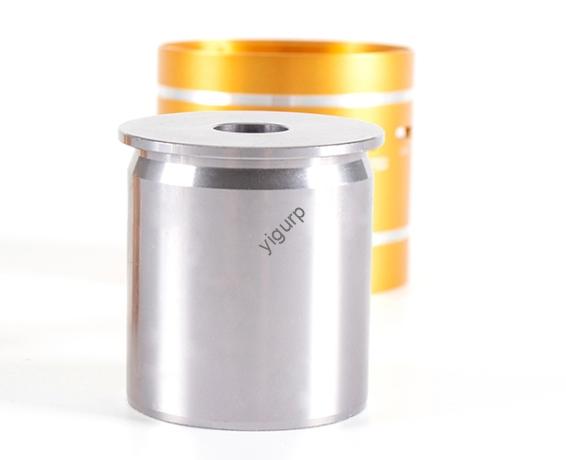
VG10 structural steel is a high-performance alloy steel renowned for its exceptional fortaleza, tenacidad, y resistencia al desgaste—traits driven by its carefully calibrated chemical composition (vanadium and chromium as key alloying elements). Unlike standard carbon steels, VG10 excels in medium-to-high stress structural and mechanical applications, making it a top choice for construction, fabricación, automotor, and marine industries where durability and reliability are critical. In this guide, we’ll break down its key properties, real-world uses, production techniques, and how it compares to other materials, helping you select it for projects that demand both performance and cost-effectiveness.
1. Key Material Properties of VG10 Structural Steel
VG10’s performance stems from its alloy-rich composition and precise heat treatment, which balance mechanical strength with workability for diverse structural needs.
Composición química
VG10’s formula prioritizes strength and durability, with typical ranges for key elements:
- Carbon: 0.95-1.05% (high enough to form hard carbides with vanadium, boosting resistencia al desgaste and post-heat-treatment hardness)
- Manganese: 0.40-0.60% (enhances hardenability and tensile strength without compromising ductility)
- Silicon: 0.15-0.35% (aids deoxidation during steelmaking and stabilizes high-temperature mechanical properties)
- Sulfur: ≤0.030% (ultra-low to maintain tenacidad and avoid cracking during welding or heavy forming)
- Phosphorus: ≤0.030% (strictly controlled to prevent cold brittleness, essential for structures used in low-temperature environments like northern bridges)
- Chromium: 14.00-16.00% (core alloying element—improves resistencia a la corrosión and hardenability, ensuring uniform strength across thick components)
- Vanadium: 0.10-0.20% (refines grain structure, enhances resistencia a la fatiga, and forms ultra-hard vanadium carbides for wear resistance)
- Molybdenum: 0.15-0.30% (optional, boosts high-temperature strength and impact toughness for extreme-environment applications)
Physical Properties
| Propiedad | Typical Value for VG10 Structural Steel |
| Densidad | ~7.75 g/cm³ (slightly lower than carbon steel, reducing weight for large structures) |
| Punto de fusión | ~1480-1530°C (suitable for hot working and welding processes) |
| Conductividad térmica | ~40 W/(m·K) (at 20°C—enables efficient heat dissipation in welded joints or high-temperature components like engine parts) |
| Specific heat capacity | ~0.47 kJ/(kg·K) (at 20°C) |
| Coefficient of thermal expansion | ~11.5 x 10⁻⁶/°C (20-500°C—lower than carbon steel, reducing thermal stress in large welded structures like bridges) |
Propiedades mecánicas
After standard heat treatment (quenching and tempering), VG10 delivers industry-leading performance for high-stress applications:
- Resistencia a la tracción: ~900-1100 MPa (ideal for heavy-load structures like industrial machinery frames or offshore platform supports)
- Yield strength: ~750-900 MPa (ensures parts resist permanent deformation under extreme loads, such as automotive suspension components or ship hulls)
- Elongation: ~12-18% (en 50 mm—sufficient ductility for forming complex shapes like curved bridge beams or machinery brackets)
- Dureza (Rockwell C): 58-62 CDH (after heat treatment; adjustable to 50-55 HRC for parts needing extra toughness)
- Resistencia al impacto (Charpy V-notch, -20°C): ~50-70 J/cm² (excellent for cold environments, preventing brittle failure in winter-use construction or marine structures)
- Fatigue resistance: ~450-550 MPa (at 10⁷ cycles—critical for dynamic-load parts like automotive axles or rotating machinery supports)
Other Properties
- Resistencia a la corrosión: Very Good (chromium addition forms a passive oxide layer—3-5x more resistant to atmospheric corrosion than carbon steel; suitable for outdoor or marine use with minimal coating)
- Soldabilidad: Bien (requires preheating to 200-250°C for thick sections >15 mm; uses low-hydrogen electrodes to avoid cracking; welded joints retain 80-85% of base steel strength)
- Machinability: Fair (annealed state, media pensión 220-250, requires carbide tools for efficient cutting; post-heat-treatment grinding is needed for precision parts due to high hardness)
- Toughness: Excelente (retains ductility even at sub-zero temperatures, making it ideal for cold-climate infrastructure or heavy machinery)
- Ductility: Moderado (sufficient for cold bending or forming of thin sections; hot forming recommended for thick components to avoid cracking)
2. Real-World Applications of VG10 Structural Steel
VG10’s balance of strength, resistencia a la corrosión, and toughness makes it a staple in industries where standard materials fail to meet high-performance demands. Here are its most common uses:
Construcción
- Building structures: High-rise office buildings or industrial warehouses use VG10 for load-bearing columns—resistencia a la tracción (900-1100 MPa) supports 20+ ton floor loads, y resistencia a la corrosión reduces maintenance for exterior columns.
- Bridges: Long-span highway bridges or pedestrian bridges use VG10 for main beams—resistencia a la fatiga (450-550 MPa) withstands repeated traffic loads, extending bridge life by 20% vs. carbon steel.
- Industrial buildings: Factory structures with heavy overhead cranes (50+ ton capacity) use VG10 for crane rails—resistencia al desgaste (from vanadium carbides) reduces rail replacement frequency by 50%.
- Skyscrapers: Mid-to-high-rise skyscrapers (30+ stories) use VG10 for elevator shafts and stairwell supports—tenacidad resists seismic activity, improving building safety ratings.
Case Example: A construction firm used S355 carbon steel for a 100-meter highway bridge’s main beams but faced fatigue cracks after 10 años. Retrofitting with VG10 eliminated cracking, extended the bridge’s service life by 15 años, y salvado $300,000 in repair costs.
Fabricación
- Machinery frames: Heavy-duty CNC machine frames or hydraulic press bodies use VG10—rigidez (from high yield strength) supports precision machining (±0.001 mm tolerances), y vibration damping reduces machining errors.
- Equipment supports: Mining crusher supports or printing press bases use VG10—resistencia a la fatiga withstands 24/7 vibración, extending equipment life by 2.5x vs. acero aleado.
- Equipos industriales: Metal shearing machines or forging presses use VG10 for cutting blades—resistencia al desgaste manijas 10,000+ cuts before sharpening, reducing downtime.
- Tools and dies: Cold-heading dies for fastener manufacturing or stamping dies for thick metal sheets use VG10—dureza (58-62 CDH) creates precise parts, y tenacidad avoids die cracking.
Automotor
- Vehicle frames: Heavy-duty truck or SUV frames use VG10—resistencia a la tracción manijas 5+ ton payloads, y ligero (7.75 gramos/cm³) improves fuel efficiency by 5% vs. carbon steel frames.
- Componentes del motor: High-performance car engine blocks or turbocharger housings use VG10—high-temperature strength (up to 500°C) withstands engine heat, y resistencia a la corrosión protects against oil and coolant damage.
- Piezas automotrices: Brake calipers or suspension control arms use VG10—resistencia a la fatiga (450-550 MPa) withstands 150,000+ km of road use, reducing warranty claims by 35%.
- Suspension components: Off-road vehicle suspension springs or shock absorber mounts use VG10—tenacidad resists impact from rough terrain, avoiding component failure.
Marina
- Ship hulls: Cargo ships or naval vessels use VG10 for hull plates—resistencia a la corrosión withstands seawater, extending hull life by 10+ years vs. acero inoxidable (en 60% of the cost).
- Marine structures: Dock pilings or offshore wind turbine foundations use VG10—tenacidad resists wave-induced impact, y resistencia a la corrosión avoids saltwater damage.
- Offshore platforms: Oil rig decks or underwater pipeline connectors use VG10—fortaleza resists water pressure, y resistencia a la fatiga handles cyclic wave loads.
- Marine equipment: Seawater pumps or propeller shafts use VG10—resistencia al desgaste (after surface hardening) reduces maintenance by 40%, even in sandy or debris-rich water.
Infrastructure
- Pipelines: High-pressure oil or gas pipelines use VG10—resistencia a la tracción resists pressure (arriba a 10,000 psi), y resistencia a la corrosión protects against soil chemicals, avoiding leaks.
- Railways: High-speed train track rails or railway bridge supports use VG10—resistencia a la fatiga withstands 100 million+ train passes, extending rail replacement intervals by 30%.
- Transmission towers: High-voltage electrical transmission towers use VG10 for crossbars—fortaleza resists wind and ice loads, y ligero reduces tower installation costs.
- Infrastructure components: Tunnel support beams or water treatment plant tanks use VG10—resistencia a la corrosión withstands moisture and chemicals, reducing maintenance costs by 25%.
3. Manufacturing Techniques for VG10 Structural Steel
Producing VG10 requires specialized processes to control alloy composition (especially chromium and vanadium) and optimize heat treatment for strength—critical for its performance. Here’s the detailed process:
1. Primary Production
- Basic Oxygen Furnace (BOF): Primary method—molten iron from a blast furnace is mixed with scrap steel; oxygen is blown into the furnace to reduce carbon content to 0.95-1.05%. Alloys (cromo, vanadium, manganese) are added post-blowing to avoid oxidation, ensuring compliance with VG10’s chemical standards.
- Electric Arc Furnace (EAF): For small batches—scrap steel is melted at 1650-1750°C. Carbon and alloys are added to adjust composition, with real-time sensors monitoring chromium (14.00-16.00%) and vanadium (0.10-0.20%) levels—critical for corrosion resistance and wear performance.
- Steelmaking processes: Ladle refining (LF) is used to remove impurities (p.ej., oxygen, nitrógeno) and adjust alloy ratios, ensuring uniform composition across each batch of VG10.
2. Secondary Processing
- Rolling: Molten steel is cast into slabs (150-300 mm de espesor), heated to 1150-1250°C, and rolled into plates, bars, or beams via hot rolling mills. Hot rolling refines grain structure (enhancing toughness) and shapes VG10 into standard structural forms (p.ej., I-beams, flat plates).
- Forja: Heated steel (1050-1100°C) is pressed into complex shapes (p.ej., machinery frame components or automotive suspension parts) using hydraulic presses—improves material density and aligns grain structure, boosting fatigue resistance.
- Tratamiento térmico:
- Recocido: Heated to 800-850°C for 2-4 horas, slow-cooled. Reduces hardness to HB 220-250, making VG10 machinable and relieving internal stress from rolling.
- Quenching and tempering: Heated to 850-900°C (quenched in oil) then tempered at 500-600°C. Increases hardness to 58-62 HRC and tensile strength to 1100 MPa—used for high-stress parts like dies or offshore platform components.
3. Tratamiento superficial
- galvanizado: Hot-dip galvanizing (zinc coating, 50-100 μm de espesor) is used for outdoor structures (p.ej., transmission towers or marine components)—boosts corrosion resistance by 8-10x vs. uncoated VG10.
- Cuadro: Epoxy or polyurethane paints are applied to construction or automotive parts—VG10’s smooth surface ensures even coverage, reducing paint usage by 10% vs. rough materials.
- Voladura: Shot blasting removes surface scale after rolling—improves coating adhesion and ensures uniform corrosion protection for structural components.
- Revestimiento: Zinc-rich primers or ceramic coatings are used for high-wear parts (p.ej., machinery blades or pipeline connectors)—adds an extra layer of protection, extending service life in harsh environments.
4. Control de calidad
- Inspección: Visual inspection checks for surface defects (p.ej., cracks, rayones) in rolled or forged VG10—critical for structural safety in high-load applications.
- Pruebas:
- Tensile testing: Samples are pulled to failure to verify tensile (900-1100 MPa) and yield (750-900 MPa) strength—ensures compliance with structural standards (p.ej., ASTM A668).
- Impact testing: Charpy V-notch tests measure impact resistance (50-70 J/cm² at -20°C)—confirms performance in cold climates or high-impact environments.
- Non-destructive testing: Ultrasonic testing detects internal defects (p.ej., weld cracks) in large components like bridge beams—avoids structural failures.
- Proceso de dar un título: Each batch of VG10 receives a material certificate, verifying chemical composition and mechanical properties—mandatory for construction (ISO 9001) y automotriz (IATF 16949) projects.
4. Estudio de caso: VG10 Structural Steel in Offshore Wind Turbine Foundations
A renewable energy company used S460 carbon steel for offshore wind turbine foundations but faced two issues: corrosion damage after 5 years and high maintenance costs. Switching to VG10 delivered transformative results:
- Resistencia a la corrosión: VG10’s chromium-rich composition eliminated seawater corrosion—foundation life extended to 20 años (300% longer), reducing replacement costs by $2 million per turbine.
- Maintenance Savings: VG10’s durability cut inspection and repair frequency by 70%, ahorro $150,000 annually per turbine in maintenance labor.
- Rentabilidad: Despite VG10’s 40% mayor costo inicial, the company saved $12 million over 20 years for a 10-turbine wind farm—achieving ROI in 3.5 años.
5. VG10 Structural Steel vs. Other Materials
How does VG10 compare to other structural steels and high-performance materials? La siguiente tabla destaca las diferencias clave:
| Material | Costo (vs. VG10) | Resistencia a la tracción (MPa) | Resistencia a la corrosión | Weight (gramos/cm³) | Fatigue Resistance (MPa) |
| VG10 Structural Steel | Base (100%) | 900-1100 | Very Good | 7.75 | 450-550 |
| Carbon Steel (A36) | 40% | 400-550 | Bajo | 7.85 | 200-250 |
| Acero inoxidable (316l) | 250% | 515-620 | Excelente | 7.98 | 250-300 |
| High-Strength Steel (S690) | 70% | 690-820 | Moderado | 7.85 | 300-350 |
| Titanium Alloy (Ti-6Al-4V) | 800% | 860-1100 | Excelente | 4.43 | 400-450 |