
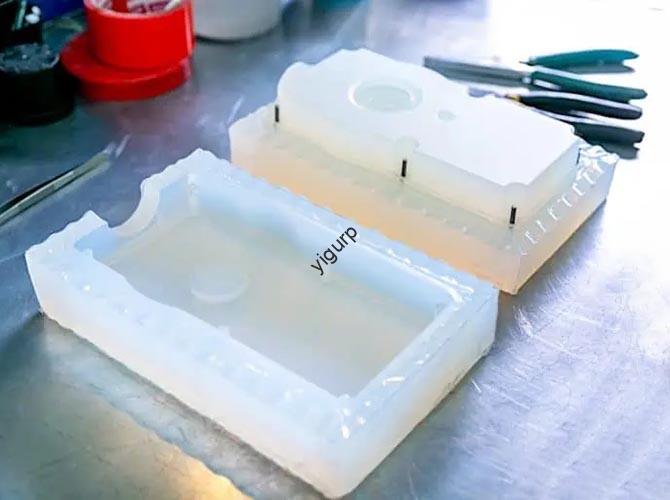
Si busca servicios fiables de fundición al vacío en Eslovaquia, Encontrará una combinación de especialistas locales y proveedores internacionales que ofrecen servicios rápidos., Soluciones rentables para la creación de prototipos y la producción de bajo volumen.. Si necesita piezas de plástico o caucho para industrias como la automoción, médico, o electrónica, Slovakia’s vacuum casting scene combines technical expertise with easy access to European supply chains—making it a smart choice for businesses across the continent. En esta guía, desglosaremos todo lo que necesitas saber, from how vacuum casting works in Slovakia to how to choose the right partner for your project.
What Is Vacuum Casting, and Why Is It Popular in Slovakia?
fundición al vacío (también llamado fundición de uretano) is a manufacturing process that uses a silicone mold to produce high-fidelity replicas of a master model. The process works by pouring liquid polyurethane or rubber materials into a silicone mold under vacuum pressure—this eliminates air bubbles, asegurando suave, partes detalladas. A diferencia del moldeo por inyección, lo que requiere costosas herramientas metálicas, vacuum casting uses low-cost silicone molds, haciéndolo ideal para creación de prototipos (1-10 regiones) y producción de bajo volumen (arriba a 500 piezas por molde).
In Slovakia, vacuum casting has grown in popularity for three key reasons. Primero, the country’s strong industrial base—especially in automotive and electronics—creates high demand for fast, accurate prototypes. Segundo, Slovakia’s central location in Europe means easy shipping to major markets like Germany, Austria, and the Czech Republic, with typical lead times of 3-7 days for small orders. Tercero, local providers often offer competitive pricing compared to Western European countries, while maintaining EU quality standards (como ISO 9001).
Un ejemplo del mundo real: A Bratislava-based automotive startup recently used vacuum casting to produce 50 prototype dashboard components. By working with a local provider, they cut lead time from 4 semanas (with a German supplier) a 5 days and reduced costs by 30%—all while meeting the strict durability requirements for automotive interior parts.
Key Advantages of Choosing Vacuum Casting in Slovakia
When you opt for vacuum casting in Slovakia, you’re not just getting a part—you’re leveraging a set of benefits tailored to European businesses. Here’s what stands out:
1. Tiempos de respuesta rápidos
Slovakia’s vacuum casting providers prioritize speed, thanks to streamlined in-house processes. Most can create a silicone mold from your 3D-printed master model in 1-2 días, then produce parts in 2-3 días. Para proyectos urgentes (like last-minute prototype tweaks before a trade show), some providers offer 48-hour rush services. This is a big advantage over countries where shipping delays or longer production cycles can slow down your timeline.
2. Compliance with EU Quality and Safety Standards
All reputable vacuum casting companies in Slovakia adhere to EU regulations, which is critical if you’re making parts for regulated industries. For medical devices, parts are often produced using biocompatible materials (like FDA-approved polyurethanes). Para piezas de automoción, providers meet standards like REACH and RoHS, ensuring your components are safe for use in European markets.
3. Cost-Effectiveness for Small Batches
Injection molding can cost tens of thousands of euros for metal tooling—something most startups or small businesses can’t afford. Vacuum casting in Slovakia avoids this: silicone molds typically cost between €200-€800 (dependiendo del tamaño y complejidad de la pieza), and per-part costs range from €5-€50. This makes it perfect for testing designs before scaling up, or for producing small batches of custom parts (like replacement components for machinery).
4. Versatilidad de materiales
Slovakian providers offer a wide range of materials to match your project’s needs. You can choose from:
- Rigid plastics (similar to ABS, ordenador personal, or PP) para piezas estructurales.
- Flexible rubbers (with shore hardness from 30A to 90A) for gaskets, sellos, or grips.
- Transparent materials (like PMMA) for lenses or display covers.
- Foam materials for lightweight or cushioning parts.
Many providers also offer post-processing options, such as painting, impresión, o montaje, so you can get a finished part ready for use.
How to Choose the Right Vacuum Casting Provider in Slovakia
Not all vacuum casting companies are the same—so it’s important to pick one that aligns with your project’s goals. Here’s a step-by-step checklist to help you decide:
Paso 1: Check Their Technical Capabilities
Primero, confirm the provider can handle your part’s size and complexity. Most Slovakian companies can cast parts up to 500mm x 500mm x 300mm, but if you need something larger (like a car bumper prototype), you’ll need a specialist with bigger vacuum chambers. Ask to see examples of their past work—look for smooth surfaces, accurate details, and consistent quality across parts.
Paso 2: Verify Material Options and Certifications
Make sure the provider offers the material you need. If your part is for a medical device, ask for certificates proving biocompatibility. Para piezas de automoción, check if they have experience with flame-retardant or heat-resistant materials. Reputable providers will be happy to share test reports or material data sheets (MDS).
Paso 3: Evaluate Lead Times and Pricing
Get a clear timeline upfront. Ask: “How long will it take to make the silicone mold?” and “How many parts can you produce per week?” Also, compare pricing—but don’t just go for the cheapest option. A slightly higher price might mean better material quality or faster turnaround. Most providers offer free quotes, so send them your 3D model (in STL or STEP format) to get an accurate estimate.
Paso 4: Look for Local Support and Communication
Working with a provider in Slovakia means you can communicate in English, German, or Slovak—no language barriers. Many companies also offer on-site visits if you want to inspect the production process. This level of local support is invaluable if you need to make design changes or troubleshoot issues quickly.
Paso 5: Check Customer Reviews and References
Search for reviews on platforms like Google or LinkedIn, or ask the provider for references from past clients. A good sign is repeat business from industries like automotive or medical—this shows the provider consistently meets high standards. Por ejemplo, one Bratislava-based provider has a 4.9/5 Google rating, with clients praising their “attention to detail” and “fast response times.”
The Vacuum Casting Process in Slovakia: What to Expect
Understanding the process will help you work more effectively with your provider. Here’s a typical workflow for a vacuum casting project in Slovakia:
- Master Model Preparation: Primero, you provide a 3D-printed master model (usually made from resin or PLA) or a physical part. The provider will clean and finish the master to ensure it has no defects—this is crucial, as any flaws will show up in the cast parts.
- Fabricación de moldes de silicona: The master is placed in a mold box, y se vierte silicona líquida alrededor. The box is put under vacuum to remove air bubbles, then cured in an oven (usually for 4-8 horas). Una vez curado, the silicone mold is cut open to remove the master—this mold can be used to make 20-50 regiones (depending on material and usage).
- Material Mixing and Casting: The chosen polyurethane or rubber material is mixed with a hardener. The mixture is poured into the silicone mold, and the mold is again placed under vacuum to eliminate air. The material cures at room temperature (or in an oven for faster results) para 2-4 horas.
- Demolding and Post-Processing: The part is removed from the mold. The provider will trim excess material (llamado "destello") and can add post-processing like painting, lijado, o perforar. If you need assembly, they can also put multiple parts together to create a finished product.
- Quality Control and Shipping: The final parts are inspected for defects (like air bubbles or dimensional inaccuracies). Una vez aprobado, they’re packaged and shipped—usually via DHL or UPS—with delivery to most EU countries within 1-2 días.
Real-World Case Study: Vacuum Casting for a Slovakian Medical Device Startup
To show how vacuum casting works in practice, let’s look at a case study from a medical device startup in Košice. The company needed to produce 100 prototypes of a handheld diagnostic tool’s housing—they had a tight deadline (3 semanas) and required the parts to be biocompatible and durable.
Desafío
The startup’s 3D-printed prototypes were too fragile for user testing, and injection molding was too expensive for a small batch. They also needed the housing to be a specific shade of blue to match their brand, with a matte finish.
Solución
They partnered with a vacuum casting provider in Bratislava. The provider used a biocompatible polyurethane material (certificado según ISO 10993) and created a silicone mold from the startup’s 3D model. They added a custom blue pigment to the material and applied a matte coating after casting.
Resultado
The startup received 100 prototipos en 10 days—2 weeks ahead of schedule. The parts were durable enough for user testing, and the custom color matched their brand perfectly. The total cost was €3,500 (including mold, regiones, y posprocesamiento)—a fraction of the €20,000+ they would have spent on injection molding.
Yigu Technology’s Perspective on Vacuum Casting in Slovakia
Yigu Technology recognizes that Slovakia’s vacuum casting sector stands out for its blend of EU-compliant quality, cambio rápido, and cost efficiency—key factors for businesses aiming to speed up product development. The country’s central European location is a major plus, as it enables seamless logistics for clients across the EU, reducing shipping times and costs compared to providers in Asia or even Western Europe.
We believe the real strength of Slovakia’s vacuum casting lies in its adaptability. Local providers excel at handling custom requests, whether it’s biocompatible materials for medical parts or flame-retardant plastics for automotive components. For businesses looking to balance quality and affordability, Slovakia offers a middle ground that’s hard to beat—especially for small to medium batches where injection molding isn’t feasible.
En Yigu Tecnología, we often recommend Slovakian vacuum casting partners to clients with EU-based projects, as they consistently deliver on time and meet strict industry standards. The sector’s focus on customer support—including multilingual communication and flexible design adjustments—also aligns with our commitment to helping clients bring their ideas to life smoothly.
FAQ About Vacuum Casting in Slovakia
1. How much does vacuum casting cost in Slovakia?
Costs depend on part size, complejidad, y cantidad. A silicone mold typically costs €200-€800, and per-part costs range from €5-€50. For a small batch of 50 regiones, total costs usually fall between €500-€3,000.
2. What’s the maximum part size I can cast in Slovakia?
Most providers can handle parts up to 500mm x 500mm x 300mm. Para piezas más grandes (like automotive bumpers or industrial enclosures), look for specialists with bigger vacuum chambers—some can cast parts up to 1000mm in length.
3. Are Slovakian vacuum casting parts compliant with EU regulations?
Sí. Reputable providers follow standards like ISO 9001 (gestión de calidad), ALCANZAR (chemical safety), RoHS (restriction of hazardous substances), y ISO 10993 (biocompatibilidad para piezas médicas). Always ask for certification documents to confirm.
4. How long does it take to get parts from a Slovakian provider?
For a standard order: 1-2 days for mold making, 2-3 days for casting, y 1-2 days for shipping. Total lead time is usually 3-7 días. Rush services (48-entrega de horas para lotes pequeños) are available for urgent projects.
5. Can I get custom colors or finishes?
Sí. Most providers offer custom pigmentation (any Pantone color) and finishes like matte, lustroso, or textured. They can also add logos or text via printing or engraving.
6. What materials are available for vacuum casting in Slovakia?
Common materials include rigid polyurethanes (ABS, ordenador personal, PP equivalents), flexible rubbers (30A-90A shore hardness), plasticos transparentes (PMMA equivalent), and foam materials. Biocompatible and flame-retardant options are also available.