
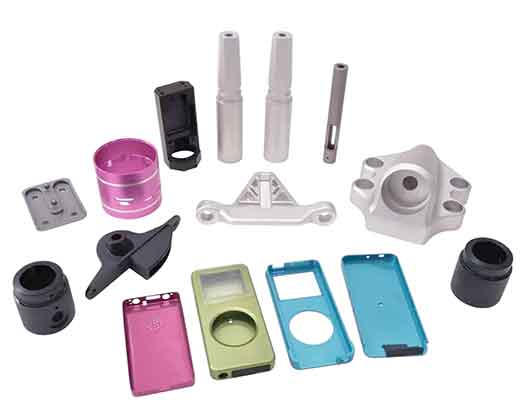
¿Tiene dificultades para producir piezas de plástico de alta calidad para sus prototipos o producción en lotes pequeños sin gastar mucho dinero?? Invertir en costosas herramientas de acero para moldeo por inyección puede parecer la única forma de obtener piezas de calidad de producción., pero no es factible cuando solo necesitas 5 a 50 piezas. This is where vacuum casting plastic comes in—a cost-effective, flexible solution that delivers parts with surface finishes and mechanical properties comparable to injection molding, without the hefty upfront costs.
What Is Vacuum Casting Plastic?
Vacuum casting plastic, also known as urethane casting or vacuum duplication, is a manufacturing process that produces small-series plastic parts using liquid polyurethane resins and silicone molds. A diferencia del moldeo por inyección, which relies on rigid metal tools, vacuum casting uses flexible silicone molds created from a master pattern (typically 3D printed or CNC machined).
The process works by pouring liquid resin into the silicone mold within a vacuum chamber, which removes trapped air to ensure bubble-free, fully filled cavities. The resin is then cured in an oven, and once hardened, the part is demolded. This method is prized for its ability to replicate fine details, geometrías complejas, and smooth surface finishes—making it ideal for functional prototypes, pre-production samples, and low-volume end-use parts.
How Vacuum Casting Plastic Works: A Step-by-Step Process
Entendiendo el vacuum casting plastic workflow helps you appreciate its efficiency and flexibility. Aquí hay un desglose detallado:
1. Create a 3D Model
Start with a precise 3D CAD model of your part using software like SolidWorks or AutoCAD. Follow design guidelines such as uniform wall thickness (1.5–4 mm recommended) and draft angles to ensure successful mold filling and demolding.
2. Produce the Master Pattern
The master pattern is a physical replica of your 3D model. It’s typically made using SLA 3D printing for speed and cost-efficiency or CNC machining for higher dimensional accuracy. The master’s surface quality directly impacts the final parts, so polishing or post-processing may be needed.
3. Make the Silicone Mold
El patrón maestro se coloca en una caja de molde., y se vierte silicona líquida alrededor. The silicone cures in an oven at 40°C for 8–16 hours (dependiendo del tamaño). Una vez curado, the mold is carefully cut open to reveal the cavity, and a release agent is applied to prevent sticking. A single silicone mold can produce 10–20 parts before wearing out.
4. Cast and Cure the Resin
Two-component polyurethane resin is mixed, degassed under vacuum to remove bubbles, and poured into the silicone mold within a vacuum chamber. The mold is then cured in an oven for 1–4 hours. Después del curado, the part is demolded, y exceso de material (like gate marks) esta recortado.
Plástico de fundición al vacío: Key Technical Specifications
To ensure successful vacuum casting plastic proyectos, it’s critical to understand its capabilities and limitations. Here are the essential technical details:
| Especificación | Detalles |
| Materiales | Rígido (ABS-like, similar a una PC), flexible (parecido al caucho), transparente (PMMA-like), and RAL-colorable resins. |
| Plazo de entrega | 10–20 days from design to finished parts. |
| Wall Thickness | Minimum 1.5 milímetros (0.75 mm possible for non-load-bearing areas with higher warping risk). |
| Tolerancias | ±0.3 mm (0–25 mm parts) to ±0.55 mm (125–150 mm parts). Tolerancias más estrictas (±0.35 mm) for tight-fitting components. |
| Acabado superficial | Glossy or matte finishes achievable without post-processing (Real academia de bellas artes 0.1 μm possible). |
| Maximum Parts per Mold | 1–20 parts, dependiendo del tamaño y complejidad de la pieza. |
Advantages of Vacuum Casting Plastic
Vacuum casting plastic offers numerous benefits for prototyping and low-volume production:
- Rentable para lotes pequeños: No expensive steel tooling required—silicone molds cost a fraction of metal molds.
- High-Quality Surface Finishes: Silicone molds replicate fine details and smooth textures, reducing the need for post-processing.
- Versatilidad de materiales: Resins mimic properties of engineering plastics (p.ej., impact resistance of ABS, flexibility of rubber, transparency of PMMA).
- Flexibilidad de diseño: Admite formas complejas, socavados, and insert overmolding to test assemblies before mass production.
- Respuesta Rápida: Los moldes de silicona están listos en unos días., with parts produced within 2–3 weeks—faster than injection molding for small runs.
Limitations of Vacuum Casting Plastic
While highly versatile, vacuum casting plastic has constraints to consider:
- Limited Mold Lifespan: Silicone molds degrade after 10–20 parts, making them unsuitable for large-scale production.
- Manual Process: Reduces repeatability and throughput compared to automated methods like injection molding.
- Tolerance Constraints: Dimensional accuracy is lower than CNC machining or injection molding, with higher variability in large parts.
- Potential Defects: Air bubbles, gate marks, or uneven curing can occur if resin mixing or vacuum pressure is poorly controlled.
Vacuum Casting Plastic vs. Other Manufacturing Processes
Choosing the right manufacturing method depends on your project’s needs. Here’s how vacuum casting plastic compares to alternatives:
| Característica | Fundición al vacío | Moldeo por inyección | 3Impresión D | Mecanizado CNC |
| Optimal Quantity | 1–100 partes | 500–1,000,000+ parts | 1–50 partes | 1–100 partes |
| Plazo de entrega | 10–20 days | 38+ días | 1–3 días | 7–10 días |
| Tooling Cost | Bajo (moldes de silicona) | Alto (moldes de acero) | Ninguno | Ninguno |
| Acabado superficial | Excelente | Excelente | Bien (necesita posprocesamiento) | Excelente |
| Design Complexity | Alto (socavados, sobremoldeo) | Alto | muy alto | Alto |
| Material Range | Urethane resins | Wide thermoplastics | Plástica, resinas, rieles | Rieles, plástica |
When to Choose Vacuum Casting: For functional prototypes, pre-production samples, or small batches needing injection-like quality without high tooling costs.
Cuando evitar: Para grandes volúmenes (>100 regiones) or parts requiring ultra-tight tolerances (<±0.3 mm).
Materials for Vacuum Casting Plastic
The right resin ensures your parts meet performance requirements. Común vacuum casting plastic materials include:
- ABS-like Resins (p.ej., PU8150): Offer good impact resistance and dimensional stability—ideal for enclosures and structural parts.
- PC-like Resins (p.ej., PU8098): Provide high strength and transparency, suitable for lenses or load-bearing components.
- Rubber-like Resins (p.ej., UPX8400): Flexible and durable, used for gaskets, sellos, or grips.
- PMMA-like Resins (p.ej., PX5210HT): Transparent with UV resistance, perfect for light covers or display parts.
- Glass-Filled Resins: Add stiffness for parts needing enhanced structural integrity.
Applications of Vacuum Casting Plastic
Vacuum casting plastic serves diverse industries where low-volume, high-quality parts are critical:
- Automotor: Intake manifolds, componentes del tablero, and lighting housings for prototyping and small-batch testing.
- Electrónica: Viviendas, carcasas de batería, and sensor enclosures with precise fit and finish.
- Dispositivos médicos: Prótesis personalizadas, device prototypes, and surgical tool components (usando resinas biocompatibles).
- Productos de consumo: juguetes, equipo deportivo, and limited-edition goods requiring detailed aesthetics.
- Aeroespacial: Small-scale fuel system parts and air ducts for pre-production validation.
Yigu Technology’s Perspective on Vacuum Casting Plastic
As a leading rapid prototyping supplier, Yigu Technology emphasizes vacuum casting plastic as a bridge between prototyping and mass production. It enables clients to validate designs with production-grade parts at a fraction of injection molding costs, acelerar el tiempo de comercialización. We recommend combining 3D printed masters with high-quality silicone molds to balance speed and precision, ensuring clients get functional, visually accurate parts for testing and demos.
FAQ About Vacuum Casting Plastic
1. How much does vacuum casting plastic cost?
Costs depend on part size, cantidad, and resin type. Para piezas pequeñas (10–20 pieces), expect \(50–)200 por parte, including mold costs. Larger or complex parts may range from \(200–)500 por parte.
2. Can vacuum casting produce clear plastic parts?
Sí. Transparent PMMA-like resins are available, delivering high light transmittance and smooth surfaces suitable for lenses or display components.
3. How long does a silicone mold last in vacuum casting?
Silicone molds typically produce 10–20 parts before degrading. For longer runs, high-temperature vulcanization (HTV) silicone can extend mold life to 300–500 parts.