
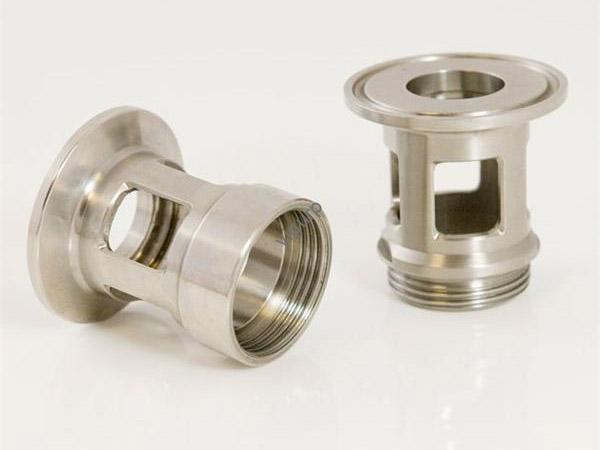
Si se trata de ácidos mixtos, altas temperaturas, o entornos industriales hostiles, choosing the right material is key.UNS N06985 Hastelloy G3—a versatile nickel alloy—shines with its all-around corrosion resistance and strong mechanical performance. Esta guía cubre todo lo que necesitas saber., desde sus propiedades principales hasta usos en el mundo real, so you can pick the best material for your project.
1. Material Properties of UNS N06985 Hastelloy G3
Hastelloy G3’s strength comes from its well-balanced composition and standout traits. Let’s break them down simply.
1.1 Composición química
Every element in this alloy plays a role in boosting performance. Here’s its typical makeup (by weight):
| Element | Content Range (%) | Key Role |
|---|---|---|
| Níquel (En) | 48–58 | Base metal—provides ductility and protects against stress cracking |
| Cromo (cr) | 21–25 | Enhances oxidation resistance and fights pitting in acidic liquids |
| Molibdeno (Mes) | 6–8 | Boosts resistance to strong acids (like sulfuric and hydrochloric acid) |
| Hierro (fe) | 13–19 | Adds strength without reducing flexibility |
| Carbón (do) | Max 0.015 | Minimizes carbide formation (prevents intergranular corrosion) |
| Manganeso (Minnesota) | Max 1.0 | Aids in manufacturing processes (p.ej., welding and casting) |
| Silicio (Y) | Max 0.8 | Reduces oxidation at high temperatures |
| Phosphorus (PAG) | Max 0.04 | Controlled to avoid brittleness in the alloy |
| Sulfur (S) | Max 0.03 | Kept low to prevent corrosion in harsh chemical environments |
| Cobre (Cu) | 1.5–2.5 | Improves resistance to sulfuric acid and acidic brines |
1.2 Propiedades físicas
These traits make Hastelloy G3 easy to design with for tough jobs:
- Densidad: 8.3 gramos/cm³ (lighter than many other superalloys, like Hastelloy B2)
- Punto de fusión: 1330–1380°C (2425–2525°F) – handles high-heat industrial processes
- Conductividad térmica: 14.0 con/(m·K) a 20ºC (68°F) – transfers heat evenly, avoiding hotspots
- Thermal Expansion Coefficient: 13.2 μm/(m·K) (20–100°C) – doesn’t warp much when heated or cooled
- Electrical Resistivity: 125 Ω·mm²/m at 20°C – works for electrical parts in harsh areas
- Propiedades magnéticas: Non-magnetic – ideal for medical equipment or electronics where magnetism is a problem
1.3 Propiedades mecánicas
Hastelloy G3 balances strength and flexibility, incluso a altas temperaturas. All values below are for the annealed (tratado térmicamente) version:
| Propiedad | Valor (Room Temperature) |
|---|---|
| Resistencia a la tracción | Min 650 MPa (94 ksi) |
| Yield Strength | Min 275 MPa (40 ksi) |
| Alargamiento | Min 45% (en 50 milímetros) |
| Dureza | Max 200 media pensión (Brinell) |
| Fatigue Resistance | 220 MPa (10⁷ cycles) |
| Resistencia a la fluencia | Maintains strength up to 700°C (1290°F) |
1.4 Otras propiedades
- Resistencia a la corrosión: Excellent in mixed acids (p.ej., sulfuric + hydrochloric) and salty environments—outperforms stainless steel.
- Resistencia a la oxidación: Resists scaling in air up to 1000°C (1830°F) for short periods.
- Stress Corrosion Cracking (SCC) Resistance: Unaffected by SCC in chloride-rich solutions (a common issue for 316 acero inoxidable).
- Pitting Resistance: High resistance to pitting in seawater or acidic brines.
- Hot/Cold Working Properties: Easy to forge (hot working at 1050–1150°C) and bend (cold working) without losing strength.
2. Applications of UNS N06985 Hastelloy G3
Thanks to its all-around performance, Hastelloy G3 is used across many industries. Here are the most common uses, con ejemplos del mundo real:
2.1 Chemical Processing Equipment
- Caso de uso: A chemical plant in China used Hastelloy G3 for mixers that handle a blend of sulfuric and nitric acid. The old mixers (made of 316 acero inoxidable) failed after 2 years—this one has lasted 6 years with no corrosion.
- Other Uses: Acid storage tanks, intercambiadores de calor, and pipe systems.
2.2 Oil and Gas Industry
- Caso de uso: An offshore oil rig in the Gulf of Mexico uses Hastelloy G3 for wellhead valves. The alloy resists salty seawater and high-pressure natural gas, reduciendo los costos de mantenimiento mediante 35%.
2.3 Acid Handling Systems
- Caso de uso: A wastewater treatment plant in Australia uses Hastelloy G3 for pumps that move hydrochloric acid. The pumps run 3x longer than those made of carbon steel, salvando la planta $50,000 yearly in replacements.
2.4 Pollution Control Systems
- Caso de uso: A power plant in Germany uses Hastelloy G3 for flue gas desulfurization (FGD) sistemas. The alloy resists the acidic byproducts of FGD, avoiding frequent part changes.
2.5 Pharmaceuticals & Procesamiento de alimentos
- Por qué funciona: Non-toxic and easy to clean (cumple con los estándares de la FDA). Used for mixing tanks that handle acidic ingredients (like vinegar or fruit juices).
3. Manufacturing Techniques for UNS N06985 Hastelloy G3
To get the best performance from Hastelloy G3, manufacturers use specific methods tailored to its properties:
- Fundición: Investment casting (using a wax mold) is best for complex shapes (p.ej., cuerpos de válvulas). The low carbon content prevents defects during casting.
- Forja: Hot forging (at 1050–1150°C) shapes the alloy into strong parts like pump impellers. Cold forging (at room temperature) is used for small parts (p.ej., pernos) to boost hardness.
- Soldadura: Gas Tungsten Arc Welding (GTAW) is recommended. Use matching filler metals (p.ej., ERNiCrMo-19) to maintain corrosion resistance. Clean the metal first (remove oil or dirt) to avoid weak welds.
- Mecanizado: Utilice herramientas de carburo (they stay sharp longer). Add coolant (like mineral oil) to prevent overheating—Hastelloy G3 can work-harden if cut too quickly.
- Tratamiento térmico: Recocido (heat to 1065–1120°C, then cool fast) softens the alloy for forming and restores corrosion resistance after welding.
- Tratamiento superficial: Pasivación (soak in nitric acid) creates a thin protective layer—this boosts pitting resistance. No painting is needed; the alloy’s surface resists rust on its own.
4. Estudio de caso: Hastelloy G3 in a Chemical Reactor
A pharmaceutical company in the UK needed a reactor to make a new drug. The reactor uses a mix of sulfuric acid and ethanol at 90°C—their old reactor (made of Inconel 625) failed after 3 years due to corrosion.
They switched to a Hastelloy G3 reactor. Here’s the result:
- Lifespan: The reactor has been in use for 7 years with no signs of corrosion.
- Ahorro de costos: Los costos de mantenimiento disminuyeron 60% (no need for frequent part replacements).
- Actuación: The alloy’s even heat transfer improved drug production efficiency by 12%.
This case shows why Hastelloy G3 is a reliable choice for mixed-acid environments.
5. Comparative with Other Materials
How does UNS N06985 Hastelloy G3 stack up against other common materials? The table below compares key properties:
| Material | Resistencia a la corrosión (Mixed Acids) | Resistencia a la tracción (MPa) | Max Service Temp (°C) | Costo (Relative) |
|---|---|---|---|---|
| Hastelloy G3 | Excelente | 650 | 700 | Alto |
| Acero inoxidable 316 | Pobre | 515 | 870 | Bajo |
| Titanium Alloy Ti-6Al-4V | Bien (chlorides) | 860 | 400 | muy alto |
| Inconel 625 | Very Good (high temps) | 930 | 980 | Alto |
| Monel 400 | Justo (seawater) | 550 | 480 | Medio |
| Hastelloy C22 | Excelente (ácidos) | 690 | 650 | Alto |
| Hastelloy B2 | Bien (pure HCl) | 690 | 600 | Alto |
| Acero carbono | Muy pobre | 400 | 425 | Muy bajo |
Key Takeaways:
- Hastelloy G3 outperforms stainless steel and carbon steel in mixed-acid environments.
- It’s more affordable than titanium alloys and offers better high-temperature resistance than Hastelloy B2.
- Inconel 625 works better at extreme temps, but Hastelloy G3 is superior in mixed-acid corrosion resistance.
La perspectiva de la tecnología Yigu
En Yigu Tecnología, we recommend UNS N06985 Hastelloy G3 for clients in chemical processing, petróleo y gas, and pollution control. Its all-around corrosion resistance and easy manufacturability make it a cost-effective choice for harsh environments. Our team provides custom machining for Hastelloy G3 components, ensuring they meet strict industry standards. For projects needing a balance of acid resistance and high-temperature performance, Hastelloy G3 is a top pick.
Preguntas frecuentes
1. Can UNS N06985 Hastelloy G3 handle mixed acids?
Sí! It’s designed for this—even blends of sulfuric and hydrochloric acid won’t corrode it. This makes it way better than stainless steel or carbon steel for mixed-acid tasks.
2. Is Hastelloy G3 suitable for marine applications?
Absolutamente. Its highpitting resistance and resistance to seawater corrosion make it ideal for marine parts like propeller shafts or hull components—outperforming materials like Monel 400 in long-term use.
3. What’s the typical lifespan of Hastelloy G3 parts in chemical processing?
In harsh environments (p.ej., mixed acids), Hastelloy G3 parts last 7–10 years—3–4 times longer than stainless steel parts. Proper maintenance (like annealing) can extend this lifespan even further.