
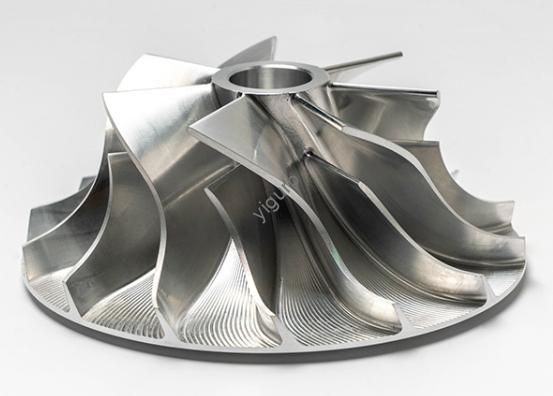
Ya sea un ingeniero de producto que desarrolla dispositivos médicos o un especialista en adquisiciones que obtiene componentes de calidad alimentaria., stainless steel prototypes CNC machining is key to turning design ideas into tangible, piezas de alta calidad. Esta guía desglosa cada paso del proceso., comparte ejemplos del mundo real, and provides data to help you make informed decisions—so you can avoid common pitfalls and get prototypes that meet your exact standards.
1. Diseño & Programación: The Foundation of Accurate Stainless Steel Prototypes
Before any cutting begins, a solid design and optimized programming lay the groundwork for successful CNC machining of stainless steel prototypes.
Primero, use CAD software (like SolidWorks or AutoCAD) to create a 3D model of your prototype. Por ejemplo, a team developing a stainless steel valve for a beverage machine would need to detail every thread, port, and seal groove to ensure compatibility with food-grade standards.
Próximo, convert this 3D model into machine-readable code using CAM software (such as Fusion 360). A critical step here is optimizing tool paths and cutting parameters for stainless steel’s unique properties—like its high tensile strength and tendency to work-harden. Por ejemplo, when machining a 304 stainless steel sensor housing, programmers might adjust feed rates to 100–150 mm/min to prevent tool overheating, en comparación con 200+ mm/min for aluminum.
Para propina: Always share design files (p.ej., STEP or IGES formats) with your CNC partner early—this lets them flag potential machining issues (like tight internal corners) antes de que comience la producción.
2. Material & Selección de herramientas: Matching Stainless Steel Grades to Your Needs
Choosing the right stainless steel grade and cutting tools directly impacts prototype performance and cost. Below is a breakdown of common grades, sus usos, and recommended tools—with real-world examples.
| Stainless Steel Grade | Propiedades clave | Typical Prototype Applications | Recommended Cutting Tools |
| 304 | Excelente resistencia a la corrosión, buena formabilidad | Food processing parts (p.ej., conveyor brackets), kitchen equipment prototypes | Carbide end mills (2–12 mm diameter) |
| 316 | Higher strength than 304, resistance to saltwater/chemicals | Componentes de dispositivos médicos (p.ej., mangos de instrumentos quirúrgicos), piezas marinas | Acero de alta velocidad (HSS) ejercicios + carbide inserts |
| 410 | Magnético, fácil de mecanizar, resistencia a la corrosión moderada | Industrial fasteners, componentes de la bomba | Solid carbide tools (for high precision) |
Ejemplo: A medical device company developing a surgical retractor prototype would choose 316 stainless steel for its biocompatibility and strength. To machine its thin, bordes curvos, they’d use a 4 mm carbide end mill to avoid material deformation.
3. Configuración & Fixing: Keeping Stainless Steel Stable During Machining
Stainless steel is denser than many metals, so proper setup prevents movement during cutting—critical for maintaining precision. Here’s how to do it right:
- Secure the material: Use rigid fixtures (like vice clamps or vacuum tables) to hold the stainless steel blank. Para un gran 304 stainless steel plate prototype (p.ej., a 500×300 mm food-grade tray), a vacuum table distributes pressure evenly to avoid warping.
- Zero the machine: Calibrate the CNC machine’s coordinate system to match your programming. This ensures the tool starts at the exact right spot—even a 0.1 mm offset can ruin a small prototype, like a 316 stainless steel sensor pin (diámetro: 2 milímetros).
Common Mistake: Using flimsy fixtures for thick stainless steel blanks (p.ej., 20 milímetros 410 acero inoxidable) can cause vibration, leading to rough surface finishes (Real academia de bellas artes > 1.6 µm) instead of the required Ra < 0.8 µm.
4. Roughing & Refinamiento: Balancing Speed and Precision
CNC machining stainless steel prototypes has two key phases—each with specific goals and parameters.
Roughing: Remove Excess Material Fast
Roughing’s job is to shape the prototype’s basic outline while saving time. Por ejemplo, when making a 316 stainless steel gear prototype (diámetro exterior: 100 milímetros), a large-diameter carbide mill (12 milímetros) elimina 80% of the excess material in 15–20 minutes.
Key parameters for roughing stainless steel:
- Cutting speed: 100–200 m/min (lower for harder grades like 316)
- Depth of cut: 2–5 mm per pass
- Tasa de alimentación: 150–300 mm/min
Refinamiento: Achieve Exact Sizes & Smooth Surfaces
Finishing refines the prototype to meet design specs. For a 304 stainless steel lid prototype (con un 50 mm diameter opening and Ra 0.4 μm surface finish), a 3 mm fine carbide mill makes shallow passes (0.1–0.5 mm depth) at a slower feed rate (80–120 mm/min).
Ejemplo: A consumer goods company needed a 304 stainless steel water bottle cap prototype. By adjusting finishing speed to 120 m/mi, they avoided overheating—resulting in a leak-proof seal and a shiny, scratch-resistant surface.
5. Inspección & Postprocesamiento: Ensuring Prototype Quality
Even the best machining needs checks and touch-ups to meet standards.
Inspection Steps
- Visual check: Look for burrs, rayones, or discoloration (a sign of overheating).
- Dimensional test: Use calipers, micrómetros, o MMC (Máquinas de medición de coordenadas) to verify sizes. For a 316 stainless steel bolt prototype (longitud: 50 milímetros, thread pitch: 1.5 milímetros), a CMM confirms accuracy within ±0.02 mm.
- Surface test: Use a profilometer to measure roughness (valor ra). Food-grade prototypes often require Ra < 0.8 μm to prevent bacteria buildup.
Post-Processing Options
- Desbarbado: Remove sharp edges with a rotary tool (critical for medical prototypes to avoid injury).
- Pulido: Buff surfaces to Ra 0.2–0.4 μm for aesthetic parts (p.ej., 304 stainless steel jewelry prototypes).
- Revestimiento: Apply passivation (para 304/316) to boost corrosion resistance—ideal for marine or chemical industry parts.
Yigu Technology’s Perspective on Stainless Steel Prototypes CNC Machining
En Yigu Tecnología, hemos apoyado 500+ clients in machining stainless steel prototypes—from 304 food-grade trays to 316 medical instrument parts. We believe the biggest challenge is balancing speed and precision: rushing roughing can cause tool wear, while overcomplicating finishing raises costs. Our solution? Customizing parameters for each grade (p.ej., slower feed rates for 316) and using high-quality carbide tools to cut down on rework. For clients, this means prototypes that meet specs on the first try—saving time and money.
Preguntas frecuentes
- q: How long does it take to machine a stainless steel prototype?
A: It depends on size and complexity. un pequeño 304 stainless steel washer (20 mm de diámetro) takes 30–60 minutes, while a large 316 stainless steel bracket (300×200 milímetros) can take 4–6 hours.
- q: Which stainless steel grade is cheapest for prototypes?
A: 304 is usually the most cost-effective, as it’s widely available and easier to machine than 316. 410 is also affordable but has lower corrosion resistance—best for non-food/non-medical parts.
- q: Can CNC machining make complex stainless steel prototypes (p.ej., canales internos)?
A: Sí! With 5-axis CNC machines, we can create complex features like 2 mm internal channels in 316 stainless steel—critical for prototypes like medical fluidic devices. Just ensure your design avoids impossible angles (p.ej., <30° internal corners) that tools can’t reach.