
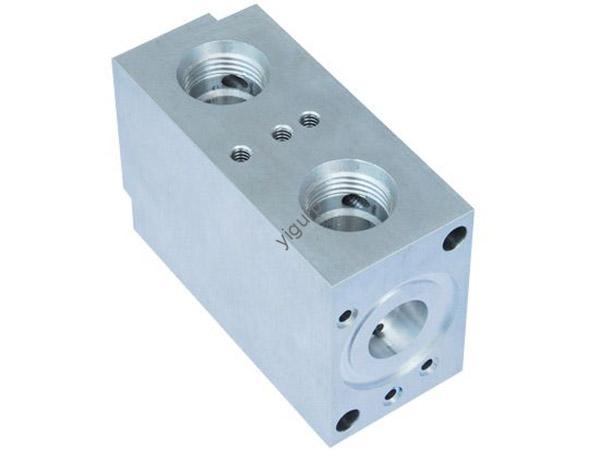
El acero para herramientas ST14 es bajo en carbono., deep-drawing grade tool steel celebrated for its exceptional formabilidad, acabado superficial, y maquinabilidad—traits driven by its ultra-low carbon composition and refined processing. A diferencia de los aceros para herramientas estándar, ST14 prioriza la trabajabilidad para formas complejas, lo que lo hace ideal para la fabricación de herramientas de tensión baja a media, componentes mecánicos de precisión, and automotive parts where deep drawing or intricate forming is required. En esta guía, desglosaremos sus propiedades clave, usos del mundo real, procesos de fabricación, y cómo se compara con otros materiales, helping you select it for projects that demand precision, eficiencia, y rentabilidad.
1. Key Material Properties of ST14 Tool Steel
ST14’s performance lies in its optimized low-carbon composition and strict impurity control, which enable superior formability while retaining sufficient strength for light-duty tool and component applications.
Composición química
ST14’s formula focuses on deep-drawing capability and surface quality, with tight limits on elements to ensure consistency:
- Carbon (do): ≤0.10% (ultra-low to maximize deep drawability and avoid work hardening during complex forming)
- Manganese (Mn): ≤0.40% (modest addition enhances tensile strength without compromising cold workability)
- Silicio (Y): ≤0.30% (aids deoxidation during steelmaking and stabilizes mechanical properties across batches)
- Sulfur (S): ≤0.040% (strictly controlled to prevent hot cracking and ensure uniform forming, with trace additions to slightly improve machinability)
- Phosphorus (PAG): ≤0.035% (ultra-low to prevent cold brittleness, critical for tools used in low-temperature environments like refrigerated equipment)
- Trace elements: Hierro (balance) with minimal residual elements (p.ej., cobre, níquel) to avoid surface defects or inconsistent drawing performance.
Physical Properties
| Propiedad | Typical Value for ST14 Tool Steel |
| Densidad | ~7.85 g/cm³ (consistent with standard low-carbon steels, no extra weight penalty for assembly) |
| Punto de fusión | ~1450-1500°C (suitable for hot working and post-processing like welding or annealing) |
| Conductividad térmica | ~52 W/(m·K) (at 20°C—higher than alloy tool steels, enabling efficient heat dissipation in cutting tools or automotive components) |
| Specific heat capacity | ~0.48 kJ/(kg·K) (at 20°C) |
| Electrical resistivity | ~145 Ω·m (at 20°C—lower than stainless steel, making it suitable for low-current electrical enclosures or components) |
| Magnetic properties | Ferromagnetic (retains magnetism in all states, simplifying non-destructive testing for tool defects or component flaws) |
Propiedades mecánicas
ST14’s low-carbon nature and annealing process make it exceptionally soft and workable, while still delivering enough strength for light-duty applications:
- Resistencia a la tracción: ~280-380 MPa (sufficient for deep-drawn tools like curved dies or thin-walled mechanical parts)
- Yield strength: ~160-240 MPa (ultra-low to enable deep drawing without cracking, ideal for shapes with high depth-to-thickness ratios)
- Dureza (Brinell): 55-85 media pensión (annealed state—extremely soft for machining; can be increased to 110-140 HB via cold working for minor wear resistance)
- Ductilidad:
- Alargamiento: ~30-40% (en 50 mm—exceptional for deep drawing, enabling shapes like cylindrical die cavities or curved automotive brackets)
- Reduction of area: ~60-70% (indicates superior toughness during forming, avoiding tearing even in tight bends or deep draws)
- Impact toughness (Charpy V-notch, 20°C): ~55-75 J/cm² (excellent for light-duty tools, preventing breakage from accidental minor impacts)
- Fatigue resistance: ~130-190 MPa (at 10⁷ cycles—suitable for static or low-dynamic tools like manual punches or deep-drawn dies for thin materials)
Other Properties
- Resistencia a la corrosión: Bajo (no alloy additions for rust protection; requires surface treatment like painting, galvanizado, or electroplating for outdoor use)
- Soldabilidad: Excelente (ultra-low carbon content allows welding with common methods—MIG, TIG, arc welding—without preheating for thin sections <4 milímetros)
- maquinabilidad: Outstanding (softness and uniform grain structure enable fast CNC machining, perforación, and tapping with minimal tool wear—cuts machining time by 30% vs. alloy steels)
- Formabilidad: Superior (specialized for deep drawing; can be drawn to depth-to-thickness ratios of 8:1 or higher without cracking, ideal for complex tool shapes)
- Acabado superficial: Excelente (after cold rolling—Ra 0.4-1.6 μm—requires no additional grinding for visible tools or components, reduciendo los costos de producción)
2. Real-World Applications of ST14 Tool Steel
ST14’s deep-drawing capability and surface quality make it a top choice for industries where complex, thin-walled tools or components need to be produced with precision. Here are its most common uses:
Fabricación de herramientas
- Deep-drawn dies: Dies for shaping thin materials (p.ej., aluminum cans, plastic cups, or thin metal housings) use ST14—formabilidad enables complex cavity shapes, y acabado superficial ensures smooth part release.
- Punches: Precision punches for thin metals (p.ej., electrical contacts or small brackets) use ST14—maquinabilidad allows sharp, burr-free tips, y ductilidad avoids punch bending during use.
- Shears: Fine shears for cutting delicate materials (p.ej., thin copper sheets or electronic components) use ST14—tenacidad resists blade chipping, and easy sharpening extends tool life.
- Stamping tools: Small stamping tools for intricate parts (p.ej., jewelry components or small electrical connectors) use ST14—deep drawability creates complex shapes in one press cycle, reducing production steps.
Ejemplo de caso: A small metal fabricator used standard low-carbon steel for deep-drawn aluminum can dies but faced 20% scrap rates from cracking. Switching to ST14 reduced scrap to 3%—saving $12,000 annually in material waste, while die production time cut by 25%.
Ingeniería Mecánica
- Ejes: Pequeño, precision shafts for household appliances (p.ej., blender motors or vacuum cleaners) use ST14—maquinabilidad allows tight diameter tolerances (±0,005 mm), y formabilidad enables simple keyway cutting.
- Engranajes: Low-torque gears for small devices (p.ej., relojes, printers, or toy motors) use ST14—acabado superficial ensures smooth gear meshing, and low cost suits high-volume production.
- Machine parts: Thin-walled brackets or covers for electronics (p.ej., smartphone chargers or laptop adapters) use ST14—formabilidad creates lightweight, space-saving designs, y acabado superficial enhances product aesthetics.
- Equipos industriales: Precision components (p.ej., sensor housings or small valve bodies) use ST14—deep drawability enables complex internal cavities, y maquinabilidad allows fast drilling of mounting holes.
Industria automotriz
- Componentes del motor: Non-load-bearing engine parts (p.ej., cacerolas de aceite, fuel filter housings, or small sensor brackets) use ST14—formabilidad fits around tight engine spaces, y acabado superficial reduces oil or fuel residue buildup.
- Piezas de transmisión: Lightweight transmission components (p.ej., small gear covers or linkage housings) use ST14—soldabilidad simplifies assembly to other parts, and low weight improves fuel efficiency.
- Ejes: Small axles for lightweight vehicles (p.ej., electric scooters or small utility carts) use ST14—resistencia a la tracción handles light loads, and precision machining ensures smooth rotation.
- Suspension components: Non-load-bearing suspension parts (p.ej., dust covers or small brackets) use ST14—formabilidad fits around suspension systems, and low cost suits high-volume production.
Other Applications
- Electrical equipment: Thin-walled electrical enclosures (p.ej., router boxes or small power supplies) use ST14—deep drawability creates seamless designs, y acabado superficial accepts paint or labels easily.
- Agricultural machinery: Pequeño, componentes ligeros (p.ej., sensor housings or tool attachments) use ST14—tenacidad resists minor impacts, and affordability reduces machinery costs.
- Maquinaria de construcción: Piezas de precisión (p.ej., small hydraulic fluid reservoirs or instrument housings) use ST14—formabilidad enables compact designs, y soldabilidad attaches to larger machinery.
3. Manufacturing Techniques for ST14 Tool Steel
Producing ST14 requires specialized processing to maximize formability and surface quality, with strict control over composition and cold working steps. Here’s the detailed process:
1. Steelmaking
- Basic Oxygen Furnace (BOF): Primary method—molten iron from a blast furnace is mixed with scrap steel; oxygen adjusts carbon content to ≤0.10%. Aleaciones (manganeso, silicio) are added in small amounts, with strict impurity control (S ≤0.040%, P ≤0.035%) to ensure formability.
- Electric Arc Furnace (EAF): For small batches—scrap steel is melted at 1600-1700°C, with minimal alloy additions. Real-time sensors monitor carbon and impurities to meet ST14’s specifications, critical for deep-drawing performance.
- Continuous casting: Molten steel is cast into thin slabs (80-150 mm de espesor) via a continuous caster—fast and consistent, ensuring uniform thickness and minimal internal defects that could cause cracking during drawing.
2. Trabajo en caliente (Pre-Cold Working Preparation)
- laminación en caliente: Continuous cast slabs are heated to 1050-1150°C and rolled into hot-rolled coils (3-8 mm de espesor). This reduces thickness and refines the grain structure, preparing the steel for cold rolling.
- Recocido: Hot-rolled steel is heated to 680-730°C for 3-5 horas, slow-cooled. This softens the material (to HB 55-85), eliminates internal stress, and optimizes the microstructure for deep drawing—critical for avoiding work hardening.
3. Trabajo en frío (Key to ST14’s Formability)
- laminación en frío: Annealed steel is passed through multi-stand cold rolling mills at room temperature, reducing thickness to the desired gauge (0.3-3 milímetros). Cold rolling improves surface finish (Real academia de bellas artes 0.4-1.6 µm) and enhances formability by aligning grain structure.
- Deep drawing: For tool blanks (p.ej., die cavities), specialized deep-drawing presses pull cold-rolled ST12 into complex shapes—formabilidad enables high depth-to-thickness ratios, while lubricants prevent surface scratching.
- Cold forging: Steel is pressed into simple tool components (p.ej., punch heads or die rims) at room temperature—fast and cost-effective for high-volume tools, no post-forging heat treatment needed.
- Mecanizado de precisión: CNC mills or laser cutters shape ST14 into final tool shapes (p.ej., die cavities or punch tips)—maquinabilidad allows tight tolerances (±0,003 milímetros) for precision tools, with no need for expensive carbide tools.
4. Tratamiento térmico (Opcional, for Targeted Performance)
- Recocido: As noted earlier—used to soften steel before cold working or machining, ensuring maximum formability.
- Endurecimiento superficial: Low-temperature nitriding (500-550°C) can be used to increase surface hardness (a 150-180 media pensión) for wear-prone tool areas (p.ej., die edges)—extends tool life by 25% for high-volume use.
- Stress relief annealing: Applied after cold working or welding—heated to 580-630°C for 1 hora, slow-cooled. Reduces residual stress, preventing tool warping during storage or use.
5. Tratamiento superficial (Mejora de la durabilidad y la estética)
- Cuadro: Powder coating or liquid painting is used for outdoor tools or components—ST14’s smooth surface ensures even coverage, reducing paint usage by 15% vs. rough materials.
- galvanizado: Hot-dip galvanizing (recubrimiento de zinc) is used for outdoor components (p.ej., garden tool housings)—boosts corrosion resistance by 10x vs. uncoated ST14.
- galvanoplastia: Thin nickel or chrome plating is used for tool surfaces needing scratch resistance (p.ej., die cavities or punch tips)—improves aesthetics and reduces friction during part release.
4. Estudio de caso: ST14 Tool Steel in Precision Electrical Connector Stamping
An electronics manufacturer needed small stamping tools for precision electrical connectors (0.5 mm thick copper) but faced two issues: alloy steel tools were too expensive ($250 per tool) and had poor surface finish, causing connector burrs. Switching to ST14 delivered transformative results:
- Ahorro de costos: ST14 tools cost \(90 cada (64% cheaper than alloy steel), cutting annual tool costs by \)16,000 para 100 herramientas.
- Quality Improvement: ST14’s acabado superficial (Real academia de bellas artes 0.8 µm) eliminated connector burrs, reducing quality control rejects by 90% and saving $8,000 annually in rework.
- Production Efficiency: ST14’s maquinabilidad reduced tool production time to 2 días (75% faster than alloy steel), enabling the manufacturer to meet tight customer deadlines for new connector designs.
5. ST14 Tool Steel vs. Other Materials
How does ST14 compare to other tool steels and materials for deep-drawing or precision applications? La siguiente tabla destaca las diferencias clave:
| Material | Costo (vs. ST14) | Resistencia a la tracción (MPa) | Dureza (media pensión) | maquinabilidad | Formabilidad (Deep Draw) | Acabado superficial (Real academia de bellas artes, µm) |
| Acero para herramientas ST14 | Base (100%) | 280-380 | 55-85 | Outstanding | Superior (8:1 ratio) | 0.4-1.6 |
| Acero para herramientas ST12 | 90% | 300-400 | 60-90 | Outstanding | Bien (5:1 ratio) | 0.8-3.2 |
| Low-Alloy Tool Steel (A2) | 400% | 1800-2000 | 200-250 | Bien | Pobre (2:1 ratio) | 1.6-6.3 |
| Acero inoxidable (430) | 450% | 450-600 | 170-200 | Bien | Justo (4:1 ratio) | 0.8-3.2 |
| Aleación de aluminio (5052) | 350% | 230-270 | 60-80 | Very Good | Bien (6:1 ratio) | 0.4-1.6 |
Application Suitability
- Deep-Drawing Tools: ST14 outperforms ST12 (better draw ratio) y aluminio (más fuerte) for complex die cavities—ideal for can making or thin-walled part production.
- Componentes de precisión: ST14’s surface finish and machinability make it better than alloy steel (más económico) para pequeños, visible parts like electrical connectors or jewelry tools.
- Bajo costo, High-Volume Tools: ST14 is more affordable than stainless steel or alloy steel, making it perfect for startups or small shops producing high-volume, light-duty tools.
- Delicate Materials Processing: ST14’s softness and toughness make it better than high-speed steel (less likely to damage materials) for cutting or forming delicate metals.
Yigu Technology’s View on ST14 Tool Steel
En Yigu Tecnología, ST14 stands out as a specialized solution for deep-drawing and precision tool needs. Es superior formability, excelente acabado superficial, and low cost make it ideal for clients in electronics, metal fabrication, and small-batch manufacturing. We recommend ST14 for deep-drawn dies, precision punches, and thin-walled components—where it outperforms ST12 (better draw ratio) and offers better value than stainless steel. While it needs corrosion protection, its ability to reduce scrap and production time aligns with our goal of efficient, customer-centric manufacturing solutions.