
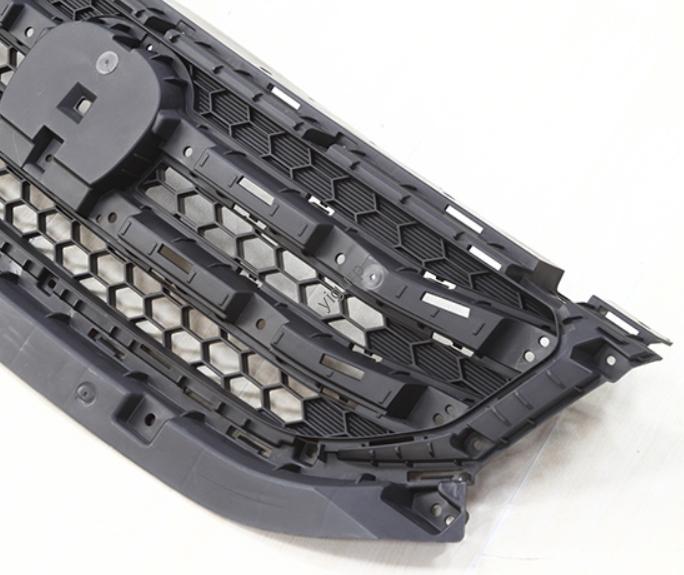
If you’re in product design, industrial manufacturing, o procurement, comprensión fabricación de chapa is key to creating durable, cost-effective parts. From electronics enclosures to automotive components, this process turns flat metal sheets into functional 3D structures—and choosing the right materials, methods, and finishes can make or break your project. This guide breaks down everything you need to know, including material selection (using Xometry’s trusted options), core processes, and real-world applications, to help you make informed decisions.
What Is Sheet Metal Fabrication?
Sheet metal fabrication is a set of manufacturing techniques that shape flat metal sheets (typically 0.15mm–10mm thick) into finished parts or assemblies. Unlike casting (which melts metal) or 3D printing (which builds layer-by-layer with plastic), fabrication works with pre-flattened metals—making it fast, scalable, and ideal for both small prototypes and large production runs.
The process relies on three core steps: corte (shaping the flat sheet), formando (bending into 3D shapes), y asamblea (joining parts). What makes it stand out? It balances precision with affordability—you can create custom brackets, complex enclosures, or simple panels without sacrificing quality.
Core Processes of Sheet Metal Fabrication
Turning a flat metal sheet into a usable part requires a sequence of specialized steps. Each process uses tools to ensure accuracy, and the order rarely changes. Let’s break them down with real-world examples.
1. Corte: Shaping the Metal to Size
The first step is cutting the flat metal sheet into the basic outline of your part. For precision, most shops use CNC (Control numérico por computadora) technologies—these automate the process, reducing errors. Here are the four most common cutting methods:
| Cutting Method | Cómo funciona | Materiales ideales | Key Specs |
| Corte por láser | Uses a high-powered laser to melt or vaporize metal. No physical contact. | Aluminio, acero inoxidable, cobre | Tolerancia: ±0,1 mm; Max thickness: 15milímetros (aluminio), 6milímetros (acero) |
| Waterjet Cutting | Uses a high-pressure water stream (with abrasives) to slice through metal. | todos los metales (even thick steel), madera, foam | Tolerancia: 0.05mm–0.1mm; No heat damage to material |
| Plasma Cutting | Blasts super-hot plasma (ionized gas) to melt conductive metals. | Acero, aluminio, cobre | Max thickness: 300milímetros (acero); Fast for thick materials |
| Cizallamiento | Uses a sharp blade to cut straight lines (like a paper cutter for metal). | Thin steel, aluminum sheets | Best for simple shapes; Low cost for high-volume straight cuts |
Real-World Example: A tech company needs 500 aluminio fino (Aleación 6082) cajas electrónicas. They choose corte por láser—it delivers precise, clean edges (tolerance ±0.1mm) that fit circuit boards perfectly, and the process is fast enough to meet their 2-week deadline.
2. formando: Bending Metal into 3D Shapes
Once cut, the metal sheet is bent or shaped into 3D forms. The most common method is CNC press braking, which uses hydraulic force to bend metal at precise angles. Here’s how it works:
- The flat metal sheet is clamped onto a press brake’s bed.
- A custom-shaped punch (attached to the upper beam) presses down on the metal, bending it over a die (on the bed).
- The angle is controlled by the punch’s depth—common angles are 90° (for brackets) or 45° (for frames).
Other forming methods include:
- Rolling: Curves metal into cylinders (p.ej., Conductos de climatización) using a series of rollers.
- Estampado: Uses dies to press patterns or holes into metal (p.ej., decorative grilles for appliances).
- Deep Drawing: Stretches metal into hollow shapes (p.ej., aluminum cans or fuel tanks).
Estudio de caso: A furniture maker bends 1mm-thick cold-rolled steel (SPCC) into 90° angles to create chair frames. The CNC press brake ensures every leg has the exact same bend—so the chairs don’t wobble, and assembly is quick.
3. Asamblea: Joining Parts Together
The final step is assembling cut and formed parts into a finished product. This uses methods that create strong, permanent joins. Here are the most common techniques:
| Assembly Method | Cómo funciona | Mejor para |
| Soldadura | Uses heat to melt and fuse metal parts (p.ej., MIG welding for steel). | Heavy-duty parts (car chassis, marcos de maquinaria) |
| Riveting | Uses metal fasteners (rivets) to clamp parts together. No heat required. | Piezas aeroespaciales (avoids weakening metal) |
| Brazing | Uses a low-temperature metal alloy to join parts (lower heat than welding). | Delicate parts (componentes electronicos) |
| Adhesivos | Industrial glue for parts that can’t be welded/riveted (p.ej., aluminio + plástico). | Lightweight assemblies (dispositivos médicos) |
Ejemplo: A marine equipment manufacturer assembles stainless steel (SUS 304) boat railings by welding. SUS 304’s corrosion resistance paired with strong welds ensures the railings withstand saltwater for years.
Sheet Metal Fabrication Materials: A Detailed Selection Guide
Choosing the right material is critical—each metal has unique properties that affect strength, resistencia a la corrosión, y costo. Below is a curated list of top materials (from Xometry’s selection) with their uses, specs, and ideal applications.
1. Aluminum and Aluminum Alloys
Aluminum is lightweight, resistente a la corrosión, and easy to form—making it one of the most popular choices for sheet metal fabrication.
| Material Grade | Key Properties | Resistencia a la tracción | Ideal Applications |
| Aluminum 1050P/1100P | Pure aluminum (99%+ purity); soft, easy to cut/bend; poor strength. | 70–110 MPa | Piezas decorativas, signs, lightweight panels |
| Aleación de aluminio 5052 | Medium strength; excelente resistencia a la corrosión (even in saltwater); weldable. | 230–270 MPa | Marine components, fuel tanks, cajas electrónicas |
| Aleación de aluminio 5083 | Alta resistencia; good machinability; risk of stress corrosion above 70°C. | 310–350 MPa | Offshore construction, ship hulls, heavy machinery |
| Aleación de aluminio 6082 | Ligero; great weldability/thermal conductivity; high stress corrosion resistance. | 140–330 MPa | Containers, offshore structures, bicycle frames |
Tip: For parts that need both strength and corrosion resistance (p.ej., outdoor furniture), choose Aleación 5052. For lightweight, weldable parts (p.ej., cuadros de bicicleta), Aleación 6082 is better.
2. Acero
Steel is strong, affordable, and versatile—ideal for heavy-duty or high-volume parts.
| Material Grade | Key Properties | Coating Type | Ideal Applications |
| Q235 | Low carbon steel; easy to weld/cut; low strength. | Uncoated | Partes estructurales (beams, paréntesis), simple frames |
| Q345 | Medium carbon steel; higher strength than Q235; good impact resistance. | Uncoated | Construction machinery, chasis automotriz |
| SECC (Electrolytic Galvanized) | Cold-rolled steel with zinc coating; resistente al óxido; good for painting. | Zinc (electrolytic) | Cajas electrónicas, computer cases |
| SPCC (Cold Rolled) | Smooth surface; easy to stamp/bend; needs painting to prevent rust. | Uncoated | Piezas de electrodomésticos (washing machine panels), muebles |
| SGCC (Hot-Dipped Galvanized) | Thick zinc coating; excelente resistencia a la corrosión; durable. | Zinc (hot-dipped) | Outdoor structures (fences, Conductos de climatización) |
3. Acero inoxidable
Stainless steel resists rust and staining—perfect for parts exposed to moisture or chemicals.
| Material Grade | Key Properties | Ideal Applications |
| SUS 301 | Alta resistencia; good ductility; withstands high temperatures. | Piezas aeroespaciales, ballestas, high-pressure components |
| SUS 304 | Most common; excelente resistencia a la corrosión; easy to weld. | Equipos de procesamiento de alimentos, medical tools, marine parts |
| SUS 303 | Easy to machine (adds sulfur); lower corrosion resistance than 304. | Threaded parts (pernos, nueces), valvulas |
| SUS 316L | Superior corrosion resistance (resists saltwater/chemicals); biocompatible. | Instrumentos quirúrgicos, offshore oil rig parts, marine hardware |
4. Copper and Copper Alloys
Copper is highly conductive—great for electrical or decorative parts.
| Material Grade | Key Properties | Ideal Applications |
| H62 Copper | 62% cobre, 38% zinc; good machinability; moderate strength. | Conectores electricos, plumbing parts, artículos decorativos |
| Zinc Cupronickel | Cobre + zinc + níquel; resistente a la corrosión; good for marine use. | Boat propellers, intercambiadores de calor |
| Extra-Cupronickel | High nickel content; excellent resistance to seawater; durable. | Marine pipes, desalination equipment |
Postprocesamiento: Finishing Sheet Metal Parts
After fabrication, most parts need post-processing to improve appearance, durabilidad, o funcionalidad. Here are the most common finishes:
- Anodizado: Creates a protective oxide layer on aluminum. Agrega color (negro, plata, oro) and boosts corrosion resistance. Ideal for electronics enclosures or outdoor parts.
- Recubrimiento en polvo: Sprays a dry powder onto metal, then bakes it to form a hard, scratch-resistant finish. Available in 1000+ colors—great for furniture or appliances.
- Cuadro: Uses liquid paint for a smooth finish. Cheaper than powder coating but less durable. Best for indoor parts (p.ej., office desk frames).
- galvanoplastia: Coats metal with a thin layer of another metal (cromo, níquel, zinc) to prevent rust or add shine. Used for decorative parts (p.ej., faucet handles).
- Desbarbado: Removes sharp edges or burrs from cut parts. Critical for safety (p.ej., hand tools) or parts that need a smooth fit (p.ej., engranajes).
Real-World Use: A company making outdoor grills uses recubrimiento en polvo on SGCC steel frames. The finish resists rain and UV rays, so the grills don’t fade or rust for 5+ años.
Key Advantages of Sheet Metal Fabrication
Why choose sheet metal fabrication over other methods like 3D printing or casting? Here are its biggest benefits:
- Durabilidad: Fabricated parts are made from solid metal—they last longer than plastic or 3D-printed parts. Por ejemplo, a sheet metal bracket can withstand 10x more weight than a 3D-printed plastic one.
- Escalabilidad: Si necesitas 1 prototype or 100,000 regiones, fabrication scales easily. CNC machines repeat processes with zero variation, so every part is identical.
- Rentabilidad: Para tiradas de gran volumen, fabrication is cheaper than 3D printing. Making 1,000 steel brackets via fabrication costs ~50% less than 3D printing them.
- Versatilidad de materiales: You can use aluminum, acero, acero inoxidable, or copper—each tailored to your part’s needs (p.ej., lightweight aluminum for drones, rust-resistant stainless steel for medical tools).
- Respuesta rápida: Simple parts (like brackets) can go from design to finished product in 1–2 days, faster than casting (which takes 1–2 weeks).
Industries That Rely on Sheet Metal Fabrication
Sheet metal fabrication is used across almost every industry. Here are the top sectors and their common applications:
| Industria | Common Fabricated Parts |
| Electrónica | Cerramientos (computer cases, TV frames), circuit board brackets, disipadores de calor |
| Automotor | Piezas del chasis, paneles de puerta, engine brackets, exhaust components |
| Médico | Surgical tool trays, MRI machine frames, wheelchair frames (acero inoxidable) |
| Construcción | Conductos de climatización, roof panels, soportes estructurales, elevator parts |
| Aeroespacial | Lightweight aluminum components, sujetadores de acero inoxidable, fuel tank parts |
| Muebles | Estructuras de sillas, table legs, herrajes para gabinetes (powder-coated steel) |
Yigu Technology’s Take on Sheet Metal Fabrication
En Yigu Tecnología, we see sheet metal fabrication as a cornerstone of reliable manufacturing. For clients prioritizing lightweight, corrosion-resistant parts (like electronics or marine equipment), we recommend aluminum alloys 5052 o 6082. For heavy-duty industrial parts, Q345 steel or SUS 304 stainless steel delivers strength and durability. We also help clients optimize processes—e.g., using laser cutting for precision parts and powder coating for long-lasting finishes. Our goal is to match your project’s needs to the right materials and methods, ensuring cost-effectiveness without compromising quality.
Preguntas frecuentes:
1. What’s the minimum thickness of sheet metal I can use for fabrication?
Most shops work with sheet metal as thin as 0.15mm (p.ej., aluminum for electronics) and as thick as 10mm (p.ej., steel for machinery). For parts that need flexibility (p.ej., ballestas), choose thin materials (0.15mm–0.5mm); para la fuerza (p.ej., paréntesis), go with 1mm–5mm thickness.
2. Can sheet metal fabrication create complex shapes like hollow parts or curves?
Sí! Hollow parts are made by cutting flat sheets, bending them into a box shape, and welding the seams. Curved parts use rolling (for cylinders) or press braking (for gentle bends). Por ejemplo, HVAC ducts are curved using rolling, while motorcycle fuel tanks use deep drawing for complex hollow shapes.
3. How do I choose between aluminum and stainless steel for my project?
Choose aluminum if weight and corrosion resistance matter (p.ej., outdoor furniture, electrónica)—it’s lighter and cheaper than stainless steel. Choose stainless steel (SUS 304/SUS 316L) if your part needs maximum rust resistance (p.ej., medical tools, marine parts) or will be exposed to chemicals. Por ejemplo, a food processing plant would use SUS 304 for equipment, while a bike maker would use aluminum for frames.