
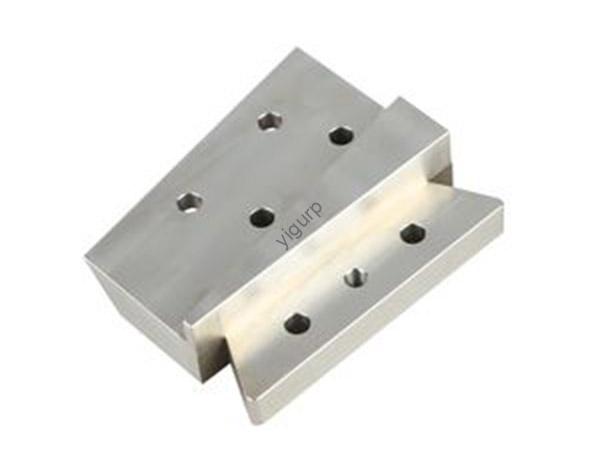
Si estás trabajando en proyectos que necesitan una configuración sencilla, soldadura confiable, y rentabilidad, como marcos estructurales ligeros, piezas pequeñas de máquinas, or low-pressure pipes—SAE 1005 structural steel is an excellent choice. Como acero bajo en carbono (con sólo 0,04-0,07 % de carbono), es conocido por su flexibilidad y trabajabilidad, haciéndolo uno de los favoritos tanto para fabricantes como para constructores. This guide breaks down everything you need to use SAE 1005 confidently.
1. Material Properties of SAE 1005 Acero estructural
SAE 1005’s performance comes from its simple, low-carbonchemical composition—which gives it great formability without sacrificing basic strength. Let’s explore its key traits in detail.
Composición química
SAE 1005 is a low-carbon steel with minimal alloying elements, keeping it affordable while boosting workability. Here’s its exact composition (per SAE standards):
| Element | Content Range (wt%) | Key Role |
|---|---|---|
| Carbon (do) | 0.04–0.07 | Keeps the steel soft and easy to form (low C = no brittleness during bending) |
| Manganese (Mn) | 0.30–0.60 | Adds mild strength without reducing ductility (prevents cracking during rolling) |
| Silicio (Y) | 0.05–0.20 | Acts as a mild deoxidizer (removes small amounts of oxygen to avoid tiny defects) |
| Phosphorus (PAG) | ≤ 0.04 | Limited to avoid cold brittleness (safe for mild cold conditions) |
| Sulfur (S) | ≤ 0.05 | Controlled to prevent hot cracking during welding (but still allows easy joining) |
| Other elements | Trace amounts | No extra alloys (keeps cost low and properties consistent) |
Physical Properties
These traits make SAE 1005 easy to handle and integrate into projects:
- Densidad: 7.85 gramos/cm³ (same as most steels—simple to calculate weights for frames or parts)
- Punto de fusión: 1425–1538°C (compatible with standard welding and forming processes)
- Conductividad térmica: 51.9 W/(m·K) (spreads heat quickly—reduces warping when welding thin sections)
- Thermal expansion coefficient: 12.0 µm/(m·K) (low enough to handle small temperature changes in buildings or machinery)
- Electrical resistivity: 1.67 µΩ·m (not used for wires, but useful for safety planning in electrical areas)
Propiedades mecánicas
SAE 1005 isn’t the strongest steel, but its properties are perfect for low-to-medium stress uses. Here are its key metrics:
- Resistencia a la tracción: 415–550 MPa (handles light pulling forces—ideal for non-load-bearing frames)
- Yield strength: 205–310 MPa (maintains shape under mild loads—good for brackets or small shafts)
- Dureza: 120–160 HB (soft enough to bend or stamp, but tough enough to resist minor wear)
- Impact toughness: Alto (can absorb small impacts without breaking—great for tools or farm equipment)
- Ductilidad: Alto (can be stretched or bent into tight shapes—e.g., curved brackets or thin pipes)
- Alargamiento: 17–23% (stretches significantly before breaking—critical for stamping or forming)
- Fatigue resistance: Moderado (works for parts with occasional stress, but not constant vibration)
- Fracture toughness: Alto (avoids sudden breaks—safe for everyday use in machinery)
Other Key Properties
- Good weldability: Joins easily with MIG, TIG, or stick welding—no preheating needed for thin sections (saves time on projects).
- Good formability: Can be cold-rolled, stamped, or extruded into tiny or complex shapes (p.ej., lavadoras, clips, or small gears).
- Moderate corrosion resistance: Resists rust in dry areas, but needs coating (like paint or galvanizing) for wet or outdoor use.
- Toughness: Stays strong in mild temperatures (0–40°C)—perfect for indoor machinery or temperate-climate construction.
2. Applications of SAE 1005 Acero estructural
SAE 1005’s low cost and workability make it a top pick for projects where flexibility matters more than extreme strength. Here’s how it solves real-world problems:
Construcción
In construction, SAE 1005 is used for light structural parts:
- Structural steel components: Non-load-bearing frames for sheds, garages, or small warehouses.
- Beams y columnas: For lightweight structures (p.ej., garden pavilions or tool sheds)—not heavy buildings.
- Building frames: Interior partitions or temporary structures (easy to cut and assemble on-site).
- Estudio de caso: A small construction firm used SAE 1005 for a 200-square-meter garage frame. The steel’s formabilidad allowed for custom curved eaves, and its soldabilidad cut assembly time by 30%. Después 5 años, the frame showed no rust (with a simple paint coat).
Ingeniería Mecánica
Mechanical engineers love SAE 1005 para pequeños, piezas simples:
- Engranajes: Tiny gears for household appliances (p.ej., blenders or fans)—its softness makes it easy to machine.
- Ejes: Small shafts for toys or light tools (handles mild rotation without bending).
- Machine parts: Soportes, clips, or washers (cost-effective for high-volume production).
- Ejemplo: A appliance maker used SAE 1005 for blender motor brackets. The steel’s ductilidad let them stamp 1,000 brackets per hour—cheaper and faster than using stronger steels.
Pipeline Industry
SAE 1005 works for low-pressure, small-diameter pipelines:
- Ideal for residential water lines or low-pressure air pipes (not oil/gas—those need stronger steel). Es formabilidad lets it be made into thin, flexible pipes that fit in tight spaces.
- Tip: Always coat SAE 1005 pipes with epoxy to prevent rust in water systems.
Industria Marina
For mild marine uses (not open ocean):
- Ship structures: Partes interiores (p.ej., storage locker frames or small brackets)—not hulls or decks (those need corrosion-resistant steel).
- Offshore platforms: Temporary handrails or non-critical parts (easy to replace if rusted).
- Ejemplo: A boatyard used SAE 1005 for a small fishing boat’s storage locker frames. With a galvanized coating, the frames lasted 4 years without rust—cheaper than stainless steel.
Agricultural Machinery
Farmers use SAE 1005 for lightweight equipment parts:
- Tractor parts: Small brackets, clips, or tool holders (handle mild impacts in fields).
- Arados y harrows: Non-wearing parts (p.ej., plow handles or harrow frames)—not the cutting edges (those need harder steel).
- Ejemplo: A farm equipment maker used SAE 1005 for tractor tool holders. The steel’s impact toughness withstood being dropped, and it cost 50% less than using HSLA steel.
3. Manufacturing Techniques for SAE 1005 Acero estructural
SAE 1005 is easy to manufacture—its low carbon content makes it compatible with all standard steel processes. Here’s how it’s made:
Steelmaking Processes
Two main methods produce SAE 1005, depending on volume:
- Basic Oxygen Furnace (BOF): Used for large batches (p.ej., sheets or pipes). Molten iron is mixed with small amounts of manganese, then oxygen is blown in to lower carbon to 0.04–0.07%. Fast and cheap for bulk orders.
- Electric Arc Furnace (EAF): Ideal for small batches or custom parts (p.ej., specialized clips). Scrap steel is melted, and carbon is adjusted to meet SAE 1005 specs. Flexible for low-volume projects.
Tratamiento térmico
SAE 1005 rarely needs complex heat treatment—its natural properties are already workable. Common processes:
- Normalizing: Heats to 850–900°C, cools in air. Used to soften the steel after rolling (makes it easier to stamp).
- Recocido: Heats to 800–850°C, cools slowly. Makes the steel extra soft for intricate stamping (p.ej., tiny washers).
- Quenching and tempering: Rarely used—SAE 1005 is meant to be soft, not hard.
Forming Processes
SAE 1005 shines in forming—it’s easy to shape into almost anything:
- Hot rolling: Heats to 1100–1200°C, rolls into sheets or bars (main method for basic SAE 1005 products).
- Cold rolling: Rolls at room temperature. Creates smooth, hojas delgadas (used for clips or washers).
- Forja: Rare for SAE 1005—it’s too soft for heavy forging (better for stronger steels).
- Extrusión: Pushes heated steel through a die to make hollow parts (p.ej., small pipes or tubes).
- Estampado: The most common process—uses presses to cut or bend steel into shapes (p.ej., paréntesis, clips, or gear blanks).
Tratamiento superficial
To boost durability, SAE 1005 uses simple surface treatments:
- galvanizado: Dips in molten zinc. Ideal for outdoor parts (p.ej., garage frames)—lasts 15+ years without rust.
- Cuadro: Applies acrylic or enamel paint. Used for indoor parts (p.ej., appliance brackets) to prevent minor rust.
- Shot blasting: Blasts with tiny metal balls to remove dirt or scale. Prepares surfaces for painting or welding.
- Revestimiento: Uses thin epoxy coating for pipes (prevents rust in water lines).
4. SAE 1005 Structural Steel vs. Other Materials
How does SAE 1005 stack up against other common materials? Let’s compare to help you choose:
SAE 1005 vs. Carbon Steels (p.ej., SAE 1045)
| Factor | SAE 1005 Acero estructural | SAE 1045 Acero carbono (Medium-Carbon) |
|---|---|---|
| Carbon Content | 0.04–0.07% | 0.43–0.50% |
| Formabilidad | Excelente | Pobre (hard to bend) |
| Soldabilidad | Excelente | Bien (needs preheating) |
| Costo | Más bajo ($0.50–$0.80/lb) | Más alto ($0.80–$1.20/lb) |
| Mejor para | Estampado, light frames | Ejes, engranajes (piezas de alta resistencia) |
SAE 1005 vs. High-Strength Low-Alloy (HSLA) Steels (p.ej., X60)
- Composición química: HSLA has alloys (Mn, En) para la fuerza; SAE 1005 has no extra alloys (keeps cost low).
- Propiedades: HSLA is 2x stronger but hard to form; SAE 1005 is weak but flexible.
- Aplicaciones: HSLA = pipelines, puentes; SAE 1005 = clips, paréntesis.
SAE 1005 vs. Stainless Steels (p.ej., 304)
| Factor | SAE 1005 Acero estructural | Acero inoxidable (304) |
|---|---|---|
| Resistencia a la corrosión | Moderado (needs coating) | Excelente (no coating) |
| Formabilidad | Excelente | Bien |
| Costo | Much lower ($0.50–$0.80/lb) | Más alto ($2.80–$3.80/lb) |
| Mejor para | Bajo costo, dry-use parts | Alimento, piezas marinas |
SAE 1005 vs. Aleaciones de aluminio (p.ej., 6061)
- Peso: El aluminio es 1/3 encendedor, but SAE 1005 is cheaper (by ~40%).
- Formabilidad: Both are easy to shape, but aluminum resists rust better.
- Aplicaciones: Aluminum = lightweight parts (p.ej., cuadros de bicicleta); SAE 1005 = low-cost parts (p.ej., clips).
5. Yigu Technology’s Perspective on SAE 1005 Acero estructural
En Yigu Tecnología, we see SAE 1005 as a “budget-friendly workhorse” for low-stress projects. Esexcelente formabilidad ysoldabilidad make it perfect for clients needing high-volume, simple parts—like appliance brackets or garage frames. While it’s not for heavy loads, its low cost (50% less than HSLA steel) cuts project budgets without sacrificing quality. We recommend it for small manufacturers or builders prioritizing flexibility over extreme strength, and we provide coated SAE 1005 options for outdoor use.
FAQ About SAE 1005 Acero estructural
1. Can SAE 1005 be used for outdoor construction?
Yes—but it needs a coating (galvanizing or paint). Without coating, it will rust in 1–2 years in wet climates. We recommend galvanized SAE 1005 for outdoor parts like garage frames—it lasts 15+ años.
2. Is SAE 1005 strong enough for machine shafts?
Only for small, low-stress shafts (p.ej., in blenders or toys). For heavy machinery shafts (p.ej., in tractors), use stronger steel like SAE 1045—SAE 1005 will bend under high loads.
3. Can SAE 1005 be welded without preheating?
Yes—for thin sections (arriba a 6 mm de espesor). For thicker parts (6–12 mm), preheat to 100–150°C to avoid cracking. We suggest using MIG welding for SAE 1005—it’s fast and produces strong joints.