
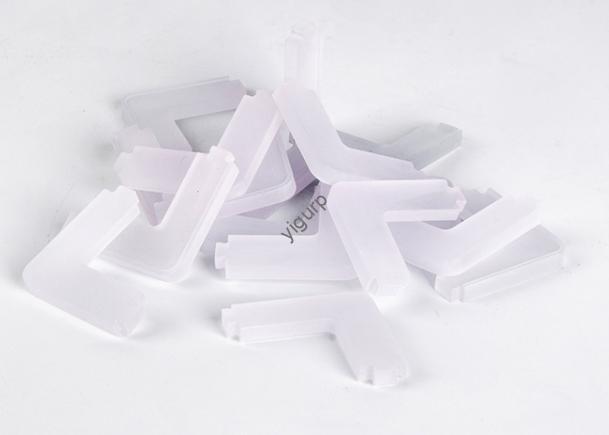
Si es ingeniero de producto o profesional de adquisiciones en la industria de electrodomésticos, sabes lo critico PC home appliance prototype models are for testing new designs. policarbonato (ordenador personal) is a top choice for these prototypes because of its exceptional impact resistance and heat tolerance—perfect for simulating real-world use of appliances like coffee makers or air conditioners. A continuación se muestra un detalle, actionable breakdown of the entire process, with real examples and data to help you streamline your workflow.
1. Selección de materiales: Choosing the Right PC and Companion Materials
The first step in creating a reliable PC home appliance prototype is picking materials that match your product’s needs. PC is the star here, but you’ll often pair it with other plastics for specific parts.
Common Materials for PC Home Appliance Prototypes
| Material | Propiedades clave | Ideal Use Cases in Home Appliances |
| ordenador personal (policarbonato) | Alta resistencia al impacto (65 kj /), resistencia al calor (hasta 135°C), good transparency | Prototype bodies for blenders, water heater casings |
| ABS | Fácil de mecanizar, buen acabado superficial, bajo costo | Inner frames of microwave ovens |
| PMMA (Acrílico) | 92% transmitancia de luz, resistente a los arañazos | Display windows for refrigerators |
| PÁGINAS | Acid/alkali resistance, flexible | Sealing gaskets for dishwashers |
Real Case: A leading home appliance brand once used pure PC for a kettle prototype but found the handle too rigid. By blending PC with 10% PÁGINAS, they improved flexibility while keeping heat resistance—solving the problem in one prototype iteration.
When selecting materials, always check propiedades mecánicas (like tensile strength) y compatibilidad with your appliance’s function. Por ejemplo, if your prototype is for a toaster, prioritize heat resistance over transparency.
2. Data Collection: Laying the Foundation for Precision
Without accurate data, even the best materials will fail. This step ensures your PC prototype matches your design exactly.
Two Critical Data Steps:
- 3D File Import: Ask your design team or client for CAD files (p.ej., STEP or STL format). These files are loaded into CNC software to create machining paths. Por ejemplo, a prototype of a smart fridge door needs a CAD file with precise measurements for the handle and display cutouts—even a 0.1mm error can ruin assembly later.
- Gypsum Sample Production: Make a gypsum model from the 3D file to confirm shape, curvas, y dimensiones. A Chinese appliance manufacturer used this step to catch a curved edge flaw in their PC air purifier prototype—fixing it before expensive CNC machining saved them $5,000 in wasted materials.
This step is non-negotiable: 80% of prototype rejections happen because of poor data accuracy, according to industry surveys.
3. Mecanizado CNC: Shaping the PC Prototype
CNC machining is where your PC material turns into a functional prototype. It’s ideal for PC home appliance parts because of its precision.
Key Machining Steps:
- Programación & Setting: Engineers write code to guide the CNC machine. For a PC washing machine control panel, the code tells the machine to cut out button holes and smooth the edges. Use thick PC sheets (5-10milímetros) for durability—thinner sheets may warp during machining.
- 5-Mecanizado de ejes (for Complex Parts): For prototypes with intricate shapes (p.ej., a PC blender base with internal grooves), 5-axis CNC is better. It can machine all sides of the PC part in one go, reducing errors. A European brand used 5-axis machining for their PC slow cooker prototype, cutting production time from 3 días para 1 día.
Why CNC for PC? It achieves a surface roughness of Ra 0.8μm—smooth enough for painting or electroplating later. This beats 3D printing for PC prototypes, which often leaves layer lines.
4. Post-Treatment: Mejora de la estética y la durabilidad
Your PC home appliance prototype needs post-treatment to look and perform like the final product.
Common Post-Treatment Steps:
- Desbarbado: Usar 200-400 grit sandpaper to remove knife marks from CNC machining. A PC prototype for a rice cooker lid once had sharp burrs that scratched testers—deburring fixed this in 30 minutos.
- Tratamiento superficial: Choose treatments based on your goal:
- Cuadro: Use heat-resistant paint for PC parts like oven doors (matches the final product’s color).
- Serigrafía: Add logos or button labels (p.ej., “Start” on a PC coffee maker prototype).
- galvanoplastia: Apply a metal finish to PC handles for a premium look (used in high-end fridge prototypes).
Tip: Test the treatment on a small PC scrap first—some paints can crack PC if not compatible.
5. Assembly Testing: Ensuring Your Prototype Works
Even a well-machined PC prototype fails if it doesn’t assemble or function correctly.
Two Must-Do Tests:
- Test Assembly: Put all parts (PC body + other components like ABS brackets) together. A US appliance company found their PC toaster prototype’s heating element didn’t fit—adjusting the CNC code for the PC slot fixed it.
- Pruebas funcionales: Simulate real use:
- For a PC water dispenser prototype: Test if it holds water without leaking (checks PC’s sealing).
- For a PC hair dryer prototype: Run it at high heat for 1 hora (tests PC’s heat resistance).
Data Point: 75% of successful home appliance launches have at least 2 rounds of functional testing on prototypes.
6. Embalaje & Shipping: Delivering a Undamaged Prototype
Your hard work ends here—don’t let shipping ruin it.
- Secure Packaging: Use foam inserts and corrugated boxes to protect the PC prototype. For fragile parts (p.ej., a PC display panel), add bubble wrap. A supplier once shipped a PC TV remote prototype in a thin box—it arrived cracked; switching to foam packaging eliminated damage.
- Entrega a tiempo: Coordinate with logistics to meet deadlines. Most clients need prototypes within 7-10 days for testing—delays can push back product launches by weeks.
La perspectiva de la tecnología Yigu
En Yigu Tecnología, hemos apoyado 500+ home appliance brands with PC prototype manufacturing. We believe the key to success is balancing precision and speed: using 5-axis CNC for complex PC parts cuts lead times, while strict post-treatment checks ensure durability. For clients, this means getting a prototype that not only looks like the final product but also stands up to rigorous testing—saving them time and money in the long run. We always recommend starting with a gypsum sample to avoid costly mistakes later.
Preguntas frecuentes
- q: How long does it take to make a PC home appliance prototype?
A: Típicamente 5-10 días. Piezas simples (p.ej., a PC control knob) llevar 5 días, while complex parts (p.ej., a PC fridge door) llevar 10 days with 5-axis machining.
- q: Can PC prototypes be reused for multiple tests?
A: Yes—PC’s high impact resistance lets it withstand 5-10 functional tests (p.ej., opening/closing a PC door prototype) before showing wear.
- q: Is PC more expensive than ABS for prototypes?
A: Yes—PC costs about $3 per kg more than ABS. But it’s worth it for appliances that need heat or impact resistance (p.ej., kettles, blenders). For non-critical parts (p.ej., inner frames), mix PC with ABS to cut costs.