
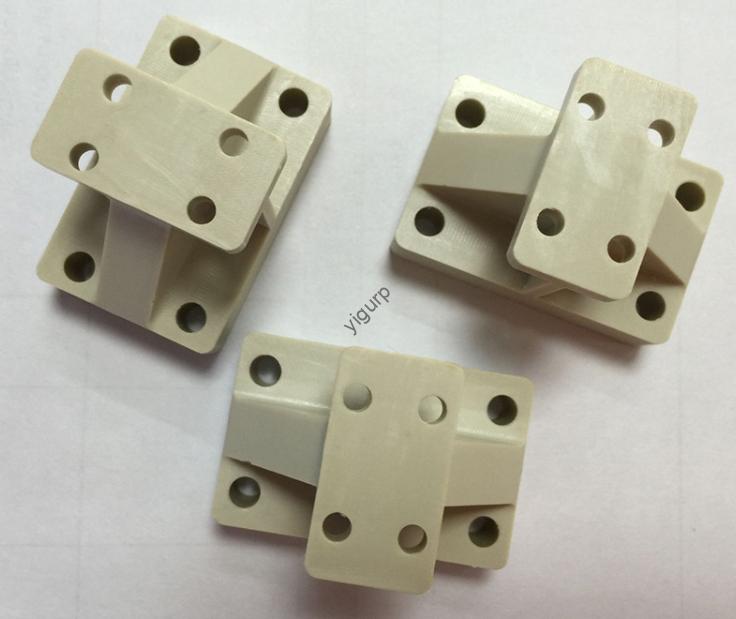
En la acelerada industria electrónica, getting a new product from design to mass production requires careful testing—and PC material electronic prototypes are the backbone of this phase. Estos prototipos te permiten comprobar defectos de diseño., funcionalidad de prueba, y reducir el tiempo y los costos de desarrollo. Por ejemplo, a smartphone manufacturer once used PC prototypes to fix a screen frame alignment issue early, ahorro $50,000 in mold rework costs. Below is a step-by-step breakdown of how to make these high-quality prototypes, with real-world insights and data.
1. Selección de materiales: Why PC Plastic Leads the Way
Choosing the right material is the first critical step. PC plastic (policarbonato) is the top choice for electronic prototypes, and here’s why:
- Propiedades clave: It has high impact resistance (can withstand 65kJ/m² of force, según ASTM D256), excelente transparencia (88% transmisión de luz), and strong heat resistance (continuous use temperature up to 120°C).
- Procesabilidad: It’s easy to cut, perforar, and finish—perfect for custom prototype shapes.
Other materials are used for specific needs, como se muestra en la siguiente tabla:
| Material | Main Advantages | Ideal Prototype Uses |
| PC Plastic | Alta resistencia, transparencia | Fundas de teléfono, biseles de portátiles, carcasas de sensores |
| ABS | Bajo costo, buena rigidez | Remote control bodies, charger casings |
| PMMA | Superior transparency | Display covers, guías de luz |
| PU | Flexibilidad, absorción de impactos | Smartwatch straps, protective bumpers |
Ejemplo de caso: A wearable tech company chose PC plastic for their fitness tracker prototype because its impact resistance prevented damage during drop tests—something ABS couldn’t match.
2. Data Collection: Laying the Foundation for Precision
Without accurate data, even the best materials fail. This step ensures your prototype matches the design exactly.
- 3D Drawing File Import: You need to provide archivos CAD (like STEP or IGES formats) — these are the “blueprints” for the prototype. Por ejemplo, a tablet maker shared SolidWorks CAD files with their prototype shop to ensure the camera cutout was precise to 0.1mm.
- Gypsum Sample Production: A gypsum model is made first to check shape, curvas, y dimensiones. This step catches mistakes early—one automotive electronics team found a 2mm error in their PCB slot via a gypsum sample, avoiding CNC machining waste.
3. Mecanizado CNC: Turning PC Plastic into Prototype Parts
CNC machining is where the design comes to life. It’s known for high precision (tolerance as tight as ±0.02mm) and smooth surface quality.
- Programación & Setting: Engineers program the CNC machine to cut the PC plastic sheet, removing excess material. For a wireless earbud prototype, the CNC program was set to carve tiny speaker grilles with 0.5mm holes—something manual cutting can’t do.
- Multi-Axis Machining Technology: Para piezas complejas (like a curved VR headset shell), 5-axis CNC machines are used. They reduce setup time by 30% compared to 3-axis machines and improve accuracy. A drone company used 5-axis machining to make PC propeller guards, cutting production time from 8 horas para 3 horas.
4. Post-Treatment: Mejora de la estética y la durabilidad
Post-treatment makes the prototype look and perform like the final product.
- Desbarbado: Sandpaper (800-1200 arena) is used to smooth knife marks. This is crucial for parts like USB ports—rough edges could damage cables.
- Tratamiento superficial: Common processes include:
- Cuadro: A matte black paint was applied to a smart speaker prototype to match the final product’s look.
- Serigrafía: Logos or button labels are added—one headphone brand screen-printed “Power” y “Volumen” labels on their PC prototype.
- galvanoplastia: A chrome finish was used on a PC remote control prototype to boost scratch resistance.
5. Assembly Testing: Ensuring the Prototype Works
This step checks if the prototype is structurally sound and functional.
- Test Assembly Inspection: All parts are put together to check fit. A laptop prototype team found that the PC keyboard tray didn’t align with the body—they adjusted the CNC program to fix it.
- Functional Test: Tests simulate real use. For a PC battery case prototype, tests included:
- Structural stability: Dropping from 1.5 metros (no cracks).
- Mechanical properties: Opening/closing the lid 1000 times (no wear).
- Environmental simulation: Exposing to 60°C and 90% humedad (no deformation).
6. Packaged and Shipped: Delivering the Prototype Safely
Safe delivery ensures the prototype arrives in perfect condition.
- Safe Packaging: Prototypes are wrapped in bubble wrap and placed in foam inserts. A medical device company’s PC monitor prototype was shipped in anti-static packaging to protect sensitive components.
- Delivery Time: Most PC prototypes are delivered in 3-7 días. Para proyectos urgentes (like a trade show demo), expedited service can cut delivery time to 1-2 days—one IoT company used this to get their PC sensor prototype ready for a CES booth.
La perspectiva de la tecnología Yigu
En Yigu Tecnología, we’ve supported over 500 electronics companies with PC prototype manufacturing. We believe the key to a great prototype is balancing precision and speed—our 5-axis CNC machines and experienced post-treatment team ensure PC prototypes meet industry standards. We often recommend PC plastic for clients prioritizing durability and transparency, and we tailor the process to their timeline, whether it’s a 3-day rush order or a detailed 2-week project.
Preguntas frecuentes
- Why is PC plastic better than ABS for electronic prototypes?
PC plastic has higher impact resistance and heat resistance than ABS, making it ideal for parts that need to withstand wear or temperature changes (like phone cases or laptop parts). ABS is cheaper but less durable for demanding tests.
- How long does it take to make a PC electronic prototype?
Típicamente 3-7 días. Piezas simples (like a small sensor housing) can take 3 días, while complex parts (like a curved VR shell) llevar 5-7 días. Expedited service is available for 1-2 day delivery.
- Can PC prototypes be used for user testing?
Sí! PC prototypes look and feel like final products, so they’re perfect for user testing. Por ejemplo, a smart home company used PC light switch prototypes to get user feedback on button placement before mass production.