
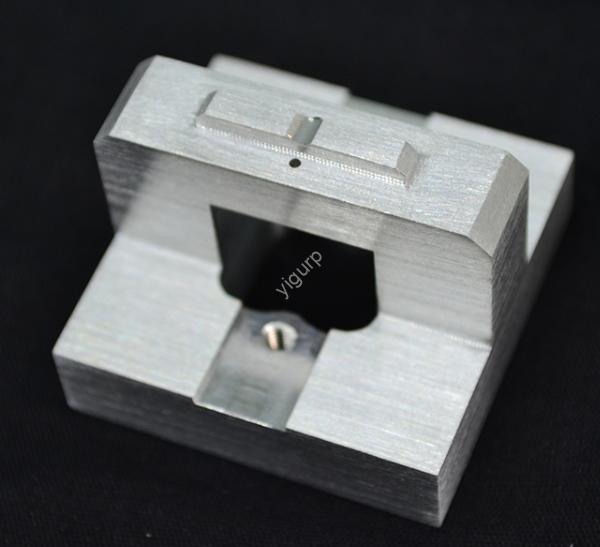
After CNC metal prototype (or CNC metal prototype) mecanizado, the surface often has tiny flaws like rough edges, tool marks, or minor burrs. Pulido—a key post-processing step—fixes these issues, boosting both the prototype’s visual appeal and functional performance. A well-polished prototype not only looks more professional but also reduces friction, improves corrosion resistance, and ensures better fit during assembly. In this guide, we’ll walk you through all common polishing methods for CNC metal prototypes, help you pick the right one for your project, and share tips to get the best results.
1. Common Polishing Methods for CNC Metal Prototypes
Each polishing method has its own strengths, and the right choice depends on your prototype’s material, forma, batch size, y acabado superficial deseado. Below is a detailed comparison of the most used techniques, with key data to simplify your decision.
| Polishing Method | Core Working Principle | Ideal Use Case | Acabado superficial (Valor RA, µm) | Eficiencia (Parts/Hour) | Cost Level |
| Manual Polishing | Using hand tools (sandpaper, files, hand polishers) to rub and smooth the surface | Complex-shaped prototypes, lotes pequeños (1-15 regiones) | 0.4 – 1.6 | 2 – 5 | Bajo |
| Mechanical Polishing | Using machines (muelas, polishing lathes) with abrasive wheels/belts for automated smoothing | Standard-shaped prototypes, medium batches (15-50 regiones) | 0.2 – 1.2 | 10 – 25 | Medio |
| Vibration Polishing | Placing parts in a machine with abrasive media (ceramic stones, plastic pellets) and using vibration to polish | Small to medium parts, large batches (50+ regiones) | 0.3 – 1.5 | 30 – 60 | Medio |
| Sandblasting Polishing | Spraying high-pressure abrasive materials (sand, glass beads) onto the surface to remove flaws and create a uniform texture | Prototypes needing matte/rough finishes, rusty parts | 0.5 – 3.2 | 15 – 40 | Low-Medium |
| Electrolytic Polishing | Using an electric current to dissolve surface imperfections (works on conductive metals) | Precision prototypes (médico, aeroespacial), parts needing mirror finishes | 0.02 – 0.2 | 8 – 20 | Alto |
| Chemical Polishing | Immersing parts in a chemical solution to etch and smooth the surface | Prototypes with complex internal structures, non-ferrous metals (aluminio, cobre) | 0.1 – 0.8 | 12 – 35 | Medio |
| Laser Polishing | Using a high-energy laser beam to melt and reflow the surface, eliminating flaws without contact | Ultra-precision prototypes (tolerancia < 0.001milímetros), delicate parts | 0.01 – 0.1 | 5 – 15 | muy alto |
| Ultrasonic Polishing | Using high-frequency sound waves (20-40kHz) to agitate abrasive slurry and polish hard-to-reach areas | Micro-prototypes, parts with tiny holes/slots | 0.05 – 0.5 | 10 – 25 | Medio-alto |
| Heat Treatment Polishing | Heating parts to specific temperatures (p.ej., recocido) to soften surface layers, then smoothing with light grinding | High-hardness metals (steel alloys), parts needing improved wear resistance | 0.2 – 1.0 | 5 – 12 | Medio |
2. 4 Key Factors to Select the Best Polishing Method
Choosing the wrong polishing method can ruin your prototype or waste time and money. Focus on these 4 factors to make the right call:
- Prototype Material: Soft metals like aluminio o cobre work well with chemical or ultrasonic polishing (avoid high-pressure sandblasting, which can deform them). Hard metals like acero inoxidable o titanio need mechanical, láser, or electrolytic polishing for effective results.
- Desired Surface Finish: If you need a mirror finish (Real academia de bellas artes < 0.1µm), go for electrolytic o laser polishing. For a matte texture (Ra 1.0-3.2μm), chorro de arena o vibration polishing es ideal.
- Production Batch Size: Para 1-10 prototipos, manual polishing is cost-effective. Para 50+ regiones, vibration polishing o mechanical polishing will save hours of labor.
- Part Complexity: Prototypes with internal holes, narrow slots, or intricate shapes (p.ej., micro-gear parts) require ultrasonic o chemical polishing—these methods reach areas manual tools can’t.
3. Pro Tips to Improve Polishing Results (Avoid Common Mistakes)
Even the best polishing method can fail if you skip these critical steps. Follow these tips to get consistent, high-quality finishes:
- Start with the Right Abrasive Grit: For rough surfaces, begin with coarse grit sandpaper (80-120 arena) to remove large flaws, then move to fine grit (400-1000 arena) for smoothing. Jumping from coarse to fine too quickly leaves scratches.
- Control Pressure and Speed: When using manual or mechanical polishing, apply even pressure—too much pressure can create uneven surfaces. For machines, keep the speed between 1500-3000 RPM (higher speeds work for fine polishing, lower for coarse).
- Clean Parts Between Steps: After sandblasting or vibration polishing, clean parts with alcohol or ultrasonic cleaning to remove leftover abrasive particles. These particles can scratch the surface during subsequent polishing steps.
- Test on a Sample First: Before polishing the final prototype, test the method on a small scrap piece of the same material. This helps you adjust parameters (p.ej., chemical solution concentration, laser power) without risking the prototype.
4. Yigu Technology’s View on CNC Metal Prototype Polishing
En Yigu Tecnología, we see polishing as more than just “smoothing surfaces”—it’s about enhancing a prototype’s value. Our team matches polishing methods to each project: for small-batch, partes complejas, we use manual polishing with precision sandpaper to preserve details; for large batches, we combine vibration polishing with ultrasonic cleaning for efficiency. We also advise clients on material-compatible methods—e.g., electrolytic polishing for stainless steel medical prototypes—to ensure both quality and cost-effectiveness. Our goal is to deliver prototypes that look great and perform better.
FAQ About Polishing After CNC Metal Prototype Machining
Q1: Can I use the same polishing method for all metal prototypes?
No. Different metals have different hardness and chemical properties. Por ejemplo, chemical polishing works well on aluminum but can corrode steel. Always choose a method compatible with your prototype’s material to avoid damage.
Q2: How long does polishing take for a typical CNC metal prototype?
It depends on the method and part size. Manual polishing for a small, complex part may take 1-2 horas. Vibration polishing for a batch of 50 small parts can take 3-4 horas. Laser or electrolytic polishing for precision parts usually takes 30-60 minutos por parte.
Q3: Is it necessary to polish a CNC metal prototype if it’s just for testing?
Sí. Even test prototypes need polishing—rough surfaces can affect test results (p.ej., friction tests, fit checks). A polished prototype also helps you spot design flaws (like uneven edges) that rough surfaces might hide, ensuring more accurate testing.