
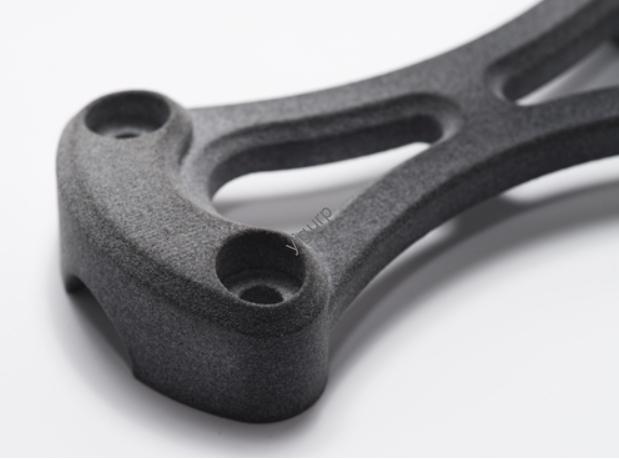
En la industria de fabricación de plástico., seleccionando lo correcto plastic mold processing molding method is crucial for balancing product quality, eficiencia de producción, y control de costos. Ya sea que esté produciendo pequeños bienes de consumo o grandes componentes industriales, Comprender las características únicas de cada método de moldeo le ayuda a tomar decisiones que se alinean con los objetivos de su proyecto.. This article breaks down common molding methods, sus aplicaciones en el mundo real, and how to choose the best one for your needs.
1. What Is Plastic Mold Processing Molding Method?
El plastic mold processing molding method refers to the technique used to remove finished plastic parts from molds (called demolding) during production. It directly affects how quickly you can make parts, how much they cost, and how well they meet quality standards. Different methods are designed to handle varying part sizes, production volumes, and surface quality requirements. Por ejemplo, a small workshop making 50 custom plastic parts monthly might use a simple manual method, while a factory producing 10,000 parts daily would opt for an automated solution.
2. Common Plastic Mold Processing Molding Methods
Each molding method has its own strengths and ideal use cases. Below is a detailed overview of the most widely used methods, complete with examples to illustrate their practical applications.
2.1 Manual Demolding
- Definición: A traditional method where operators manually remove plastic parts from molds using hands or basic tools like pliers.
- Características clave:
- Bajo costo (no need for expensive automated equipment).
- Simple to set up—no complex technical knowledge required.
- High labor intensity (each part needs manual handling).
- Low efficiency (only 10–20 small parts per hour).
- Ejemplo del mundo real: A local shop that makes custom plastic display cases (1m x 0.8m each) uses manual demolding. Since they only produce 50 cases weekly, the labor cost is manageable, and the large size of the cases makes automated demolding impractical. Another example: a startup making 100 limited-edition plastic figurines (8cm tall) chose this method to save $5,000 on machinery, with workers demolding 15 figurines per hour.
2.2 Motorized Demolding
- Definición: The most common method in injection molding, using mechanical power (such as ejector pins or push plates) to automatically remove parts from molds.
- Características clave:
- High automation (runs with minimal human input).
- Alta eficiencia (100–500 small to medium parts per hour).
- Consistent results (reduces errors from manual handling).
- Moderate cost (requires investment in motorized components).
- Ejemplo del mundo real: A toy factory producing 10,000 plastic toy car bodies daily uses motorized demolding with ejector pins. Each pin pushes a car body out of the mold in just 2 artículos de segunda clase, ensuring fast and uniform output. An electronics manufacturer making 500,000 plastic phone cases monthly switched to this method from manual demolding—their efficiency doubled, and part damage dropped from 8% a 1%.
2.3 Hydraulic and Pneumatic Demolding
- Definición: Uses hydraulic (liquid-powered) or pneumatic (air-powered) systems to push demolding mechanisms and remove parts. It’s ideal for situations needing large force or special demolding actions.
- Características clave:
- Strong power (hydraulic systems can generate up to 5,000 N of force).
- Flexible control (easily adjust pressure and speed for different parts).
- Complex setup (needs pumps, mangueras, and control systems).
- Mayor costo (equipment and maintenance are more expensive than motorized methods).
- Ejemplo del mundo real: A manufacturer of thick plastic buckets (with tight mold fits) uses hydraulic demolding. The hydraulic cylinder applies 3,000 N of force to push buckets out without damage. A construction equipment company making plastic fuel tank covers (grueso, piezas rígidas) uses pneumatic demolding—they set the air pressure to 0.6 MPa, which removed covers smoothly and reduced scrap rates by 12%.
2.4 Forced Demolding
- Definición: Involves using mechanical force to pull or twist parts out of mold cavities, even if parts have small lateral bulges or grooves.
- Características clave:
- Simple structure (no complex mechanisms).
- Bajo costo (minimal equipment needed).
- Risk of surface damage (may scratch or deform parts).
- Suitable for parts with low surface quality requirements.
- Ejemplo del mundo real: A manufacturer of plastic internal brackets for appliances uses forced demolding. Since the brackets are hidden inside appliances, minor scratches don’t matter, and the flexible polypropylene material bounces back after demolding. A furniture company making plastic chair legs (with small stability grooves) also uses this method—5% of legs have minor bottom marks (invisible when in use), but it saved them $3,000 on complex machinery.
2.5 Push Plate Release Structure
- Definición: Uses a flat push plate to push entire parts out of mold cavities at once, ensuring even pressure.
- Características clave:
- Uniform force (prevents part deformation).
- Smooth movement (reduces surface scratches).
- No obvious demolding traces (great for transparent or visible parts).
- Slightly higher cost than ejector pins (needs custom-sized plates).
- Ejemplo del mundo real: A maker of transparent plastic cups uses push plate demolding. The plate pushes cups out evenly, avoiding the “pin marks” that ejector pins would leave. A kitchenware brand making “scratch-free” transparent plastic bowls adopted this method—customer complaints about surface marks fell from 15% a 2%, and bowl sales rose by 20%.
2.6 Push Block Release Mechanism
- Definición: Uses custom-shaped push blocks (instead of ejector pins) to eject parts, designed to touch only non-visible areas.
- Características clave:
- Avoids thimble (ejector pin) traces (improves appearance).
- Personalizable (blocks match part shapes for complex designs).
- Requires high precision (blocks must fit parts exactly).
- Moderate cost (custom block manufacturing adds expense).
- Ejemplo del mundo real: A cosmetics company making plastic lipstick tubes uses push block demolding. Blocks push tubes from the bottom (a non-visible area), leaving outer surfaces smooth. A luxury toy brand making plastic doll faces (with detailed paint) switched to this method—ejector pin marks on doll cheeks were eliminated, and customer satisfaction rose by 25%.
2.7 Secondary Demolding Mechanism
- Definición: Involves two demolding actions—after the first action (p.ej., partial ejection with pins), a second action (p.ej., a second push plate) fully removes parts. Used when one step isn’t enough.
- Características clave:
- Strong adaptability (handles parts stuck after first demolding).
- Prevents cracking (reduces force per step).
- Complex mechanism (needs two separate systems).
- Higher cost and setup time.
- Ejemplo del mundo real: A manufacturer of plastic gearboxes (with multiple undercuts) uses secondary demolding. The first push plate moves gearboxes 5mm out, and a second plate pulls them fully out, avoiding undercut damage. An automotive supplier making plastic door handles (with hidden lock undercuts) adopted this method—crack rates dropped from 10% a 0.5%, ahorro $10,000 monthly in scrap costs.
2.8 Sequential Demolding Mechanism
- Definición: Uses multiple demolding steps in a specific order (p.ej., separate part from fixed mold first, then eject from moving mold) to protect parts.
- Características clave:
- Controls demolding order (prevents part damage).
- Suitable for complex molds (p.ej., multi-cavity or multi-part molds).
- Requires precise design (timing is critical).
- Higher engineering and setup costs.
- Ejemplo del mundo real: A toy factory making plastic robot kits (5 parts in one mold) uses sequential demolding. The mold first separates the robot body from the fixed side, then ejects arms and legs from the moving side—no tangled parts. A medical device maker producing plastic inhaler components (two-cavity mold) uses this method to first separate the inhaler mouthpiece from the mold, preventing bending (a common issue with single-step demolding).
2.9 Double Release Mechanism
- Definición: Has demolding mechanisms on both the moving mold (opens during production) and fixed mold (stationary) to handle parts that might stick to either side.
- Características clave:
- Strong adaptability (solves part retention issues).
- Improves efficiency (no manual removal of stuck parts).
- Complex system (needs components on both mold sides).
- Mayor costo (more parts to manufacture and maintain).
- Ejemplo del mundo real: A manufacturer of plastic laptop lids (flat, symmetric parts) uses double release. If a lid sticks to the fixed mold, a push plate there ejects it; if it sticks to the moving mold, ejector pins do the job. An electronics company making plastic tablet cases used this method to reduce stuck parts from 8% a 0.3%, increasing production line uptime by 10%.
2.10 Compressed Air with the Release Mechanism
- Definición: Uses bursts of compressed air to assist in demolding, often paired with mechanical methods like ejector pins.
- Características clave:
- Even air pressure (prevents part deformation).
- Reduces mechanical force (extends tool life).
- Needs an air compressor and control system.
- Low cost for small-scale use (compressors are affordable for small shops).
- Ejemplo del mundo real: A maker of plastic toy wheels (2cm diameter) uses compressed air demolding. After ejector pins push wheels partially out, a 0.5 MPa air burst blows them fully out, cutting handling time. A small workshop making 1cm x 1cm plastic puzzle pieces paired this method with ejector pins—efficiency rose by 30%, as workers no longer had to pick tiny pieces from molds.
3. Comparison Table of Plastic Mold Processing Molding Methods
To help you quickly compare options, here’s a summary of key metrics for each method:
| Molding Method | Production Efficiency (Parts/Hour) | Cost Level | Calidad de la superficie | Ideal Batch Size | Ventaja clave |
| Manual Demolding | 10–20 | Bajo | Variable | Pequeño (1–100) | No equipment cost |
| Motorized Demolding | 100–500 | Moderado | Bien | Grande (1,000+) | Rápido, coherente |
| Hydraulic/Pneumatic Demolding | 50–200 | Alto | Bien | Medium-Large | Strong demolding force |
| Forced Demolding | 20–50 | Bajo | Bajo | Small-Medium | Simple structure |
| Push Plate Release | 80–300 | Moderado | Excelente | Medium-Large | No visible traces |
| Push Block Release | 60–250 | Moderate-High | Excelente | Medium-Large | Avoids thimble marks |
| Secondary Demolding | 40–150 | Alto | Bien | Medium-Large | Prevents part cracking |
| Sequential Demolding | 30–100 | Alto | Bien | Medium-Large | Controls demolding order |
| Double Release | 70–250 | Alto | Bien | Medium-Large | Solves part retention issues |
| Compressed Air Release | 50–300 | Moderado | Bien | Small-Large | Even pressure, assists mechanical methods |
4. How to Choose the Right Plastic Mold Processing Molding Method
Follow these steps to select the method that fits your project:
Paso 1: Analyze Your Part’s Traits
- Size and shape: Piezas grandes (1m+) work with manual or hydraulic demolding; pequeño, partes complejas (p.ej., engranajes de juguete) suit motorized or compressed air methods.
- Surface quality: Transparent or visible parts need push plate/push block methods; hidden parts can use forced demolding.
- Material: Flexible plastics (p.ej., soft PVC) handle forced demolding; plásticos rígidos (p.ej., ABS) need gentler methods like push plates.
Paso 2: Consider Production Volume
- Small batch (1–100 partes): Manual or forced demolding (bajo costo).
- Medium batch (100–1.000 piezas): Motorized or compressed air demolding (balance of cost and efficiency).
- Large batch (1,000+ regiones): Motorized, hidráulico, or double release demolding (alta eficiencia).
Paso 3: Calculate Costs
- Equipment cost: Manual demolding costs \(0; hydraulic demolding costs \)10,000–$50,000.
- Labor cost: Manual demolding needs 1–2 workers per machine; motorized needs 1 worker for 2–3 machines.
- Scrap cost: Push plate/push block methods have 1–2% scrap rates; forced demolding has 5–8%.
Paso 4: Test and Adjust
If unsure, test 2–3 methods with a small batch. Por ejemplo, a toy maker producing 500 plastic trucks could test motorized and compressed air demolding to see which is faster and causes less damage.
5. Yigu Technology’s View on Plastic Mold Processing Molding Method
En Yigu Tecnología, we believe the plastic mold processing molding method should be tailored to each manufacturer’s unique needs. Many clients waste money on overcomplicated methods—like using hydraulic demolding for small batches. We recommend starting with a clear analysis of part traits and production volume. Our team helps clients balance quality and cost: Por ejemplo, we guided a small workshop to switch from manual to compressed air demolding, cutting labor time by 40% without high costs. We also emphasize testing, as it ensures you avoid costly mistakes in full-scale production.
6. Preguntas frecuentes
- What’s the most cost-effective molding method for small batches (1–100 partes)?
Manual demolding is the cheapest, as it requires no equipment. For parts that are hard to handle manually (p.ej., pequeño, delicate pieces), compressed air demolding is a good low-cost alternative (costos \(500–)1,000 for a basic air compressor).
- Which method is best for parts with high surface quality (p.ej., transparent plastic cups)?
Push plate or push block demolding is ideal. Both methods leave no visible marks—push plate for large, flat parts and push block for complex, piezas pequeñas. They typically add 10–15% to production costs but eliminate customer complaints about surface flaws.
- How do I reduce scrap rates with molding methods?
Choose methods that apply even force: push plate, push block, or compressed air demolding. Also, test the method with a small batch first to adjust parameters (p.ej., air pressure for pneumatic demolding) and fix issues before full-scale production. This can reduce scrap rates from 8% to 1–2%.